 Cambodia’s National Museum
Located just north of the Royal Palace, the National Museum of Cambodia is the country’s most important repository of Khmer art and cultural heritage.
Visitors are invited to explore its vast collection, which spans from the pre-Angkorian period to the height of the Angkor Empire and later eras.
Inside, the galleries display sandstone sculptures, intricate bronzes, and delicate ceramics, each piece offering insight into the creativity and spirituality of the Khmer civilization.
For anyone wishing to understand Cambodia’s cultural soul, the museum provides an essential starting point.
An Architectural Landmark
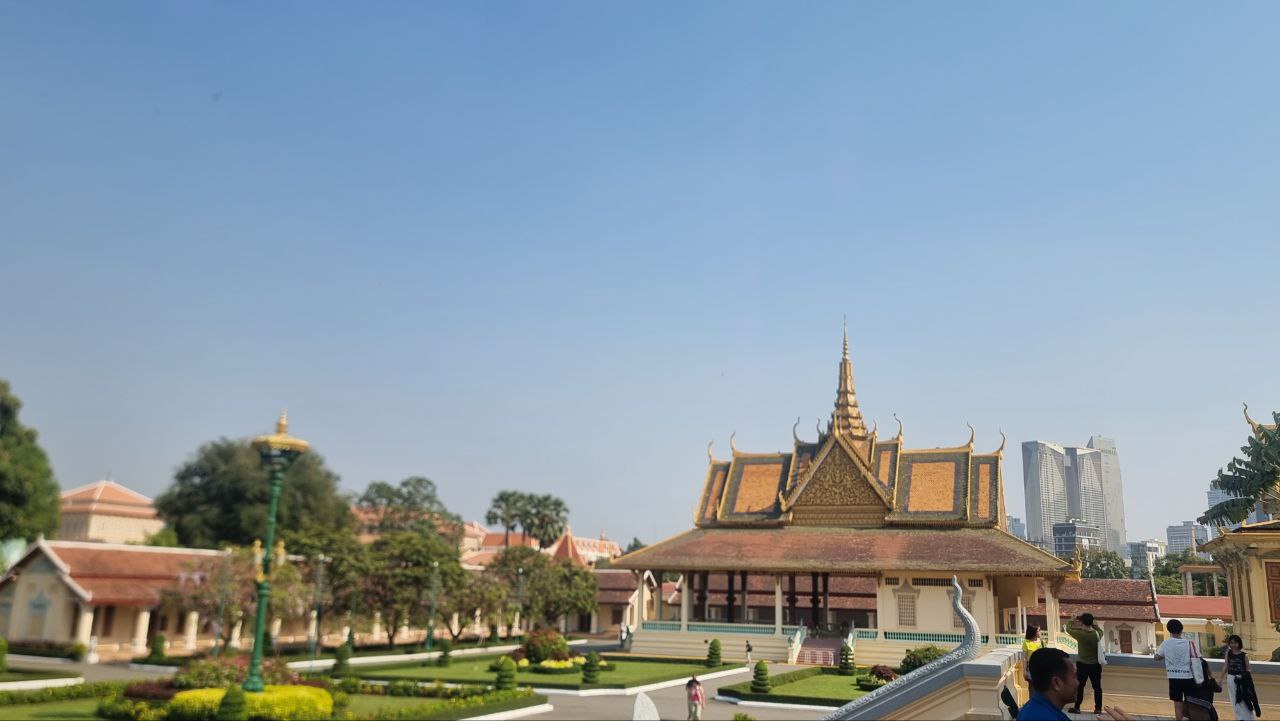
The museum itself is as remarkable as the treasures it houses. Constructed between 1917 and 1920 during the French colonial era, the building was designed in a traditional Khmer style that reflects Cambodia’s architectural identity.
With its sweeping red terracotta roofs, ornate gables, and open courtyards, the structure combines elegance with tranquility. It stands not only as a place of preservation but also as one of Phnom Penh’s most iconic and photogenic landmarks.
A Home to Art and Bats
Unusually, the National Museum is also home to a vast colony of Cambodian freetail bats, the largest known to inhabit a man-made structure. During the day, these creatures remain hidden in the rafters, unseen by most visitors.
However, as dusk falls, they emerge in spectacular fashion, filling the sky above Phnom Penh in a mesmerizing display. Structural reinforcements added in the 1990s ensure the bats cause no damage, turning this natural phenomenon into an unforgettable bonus for visitors.
Location and Visitor Information
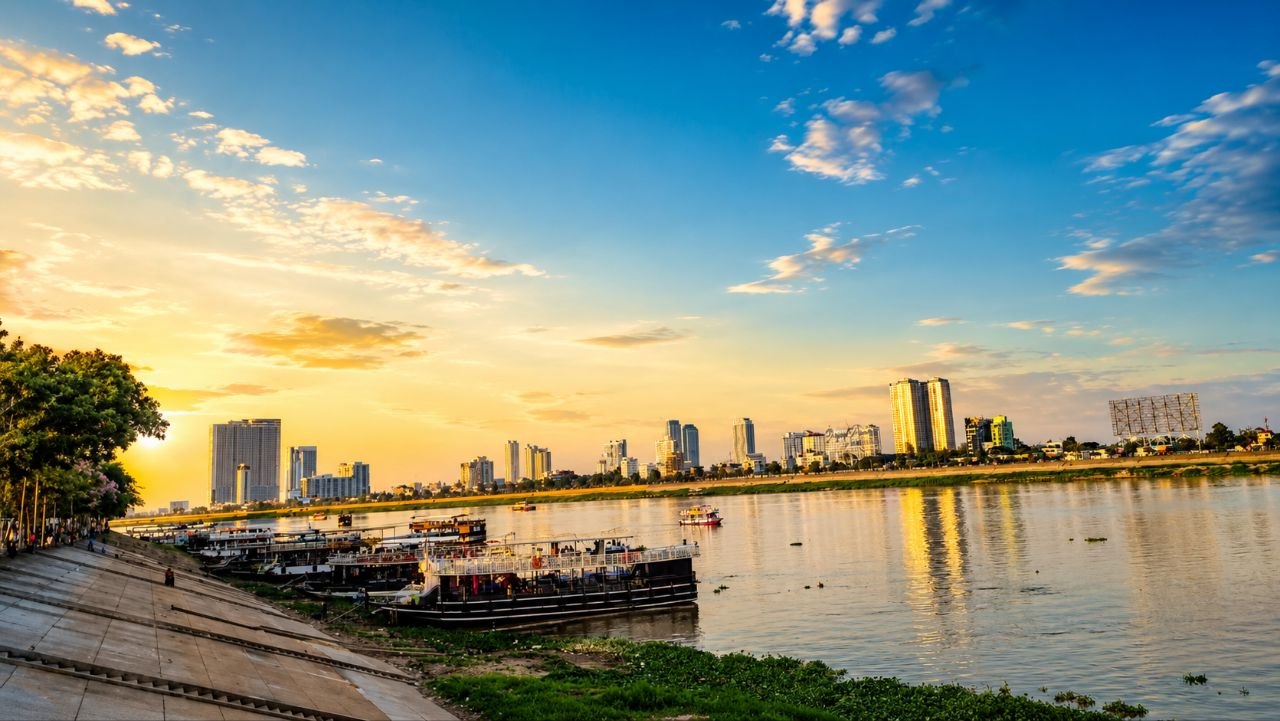
The museum is conveniently situated in central Phnom Penh, just north of the Royal Palace and within walking distance of the city’s riverside area. It is easily accessible by tuk-tuk, taxi, or even on foot from many downtown hotels.
Visitors who wish to make the most of their experience should consider arriving in the late afternoon. This timing allows for a relaxed visit to the galleries, followed by the unforgettable sight of thousands of bats departing the museum at dusk.