 Ta Prohm at Tonle Bati – An Angkorian Gem
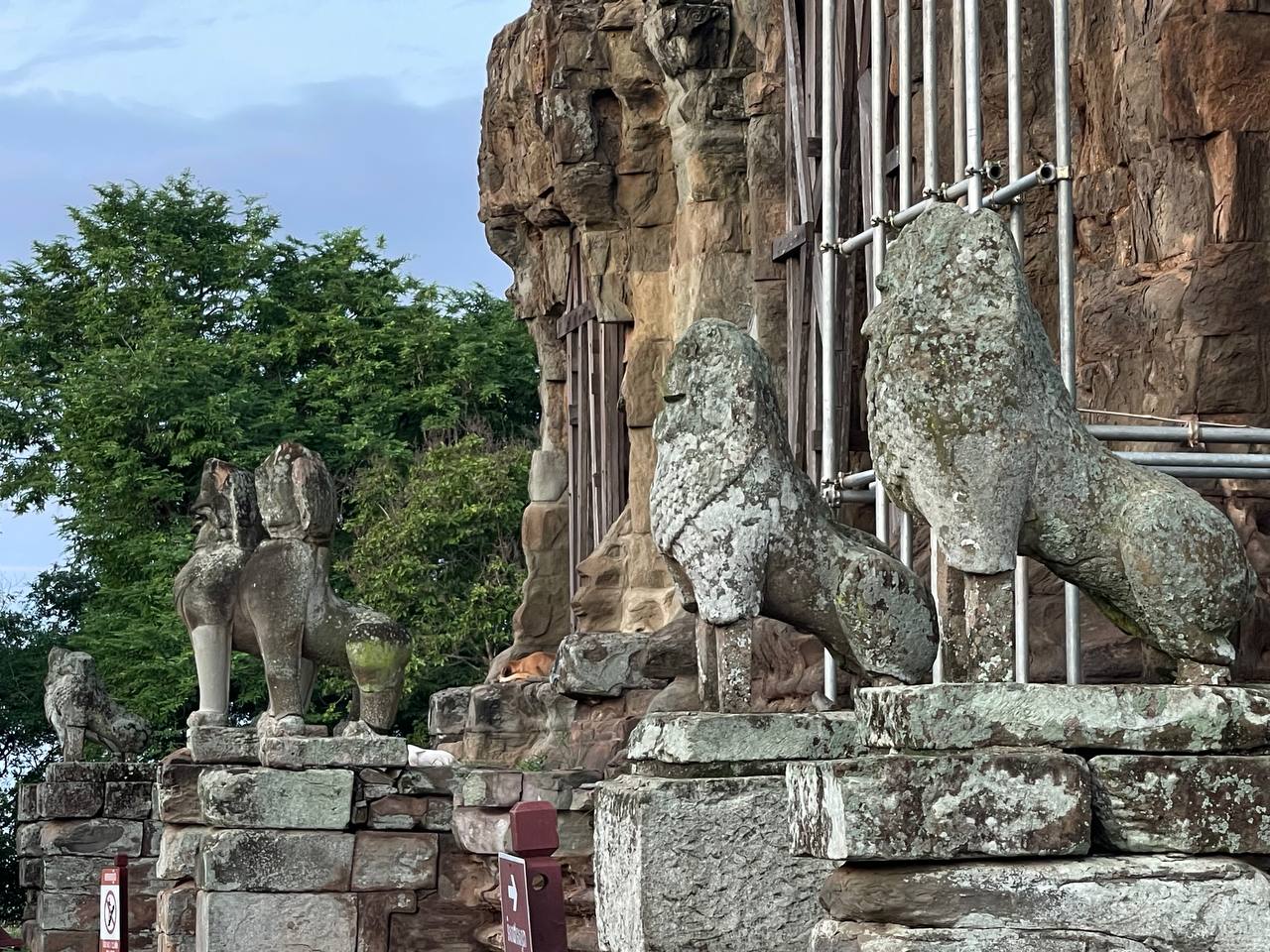
Ta Prohm at Tonle Bati, located in Takeo Province, is one of Cambodia’s most significant temples outside the Angkor complex.
Built around 1200 AD by the celebrated King Jayavarman VII, it reflects the Bayon style of architecture, a hallmark of the Mahayana Buddhist era. The temple stands as a reminder of Cambodia’s rich spiritual heritage, where layers of Hindu and Buddhist traditions intertwine.
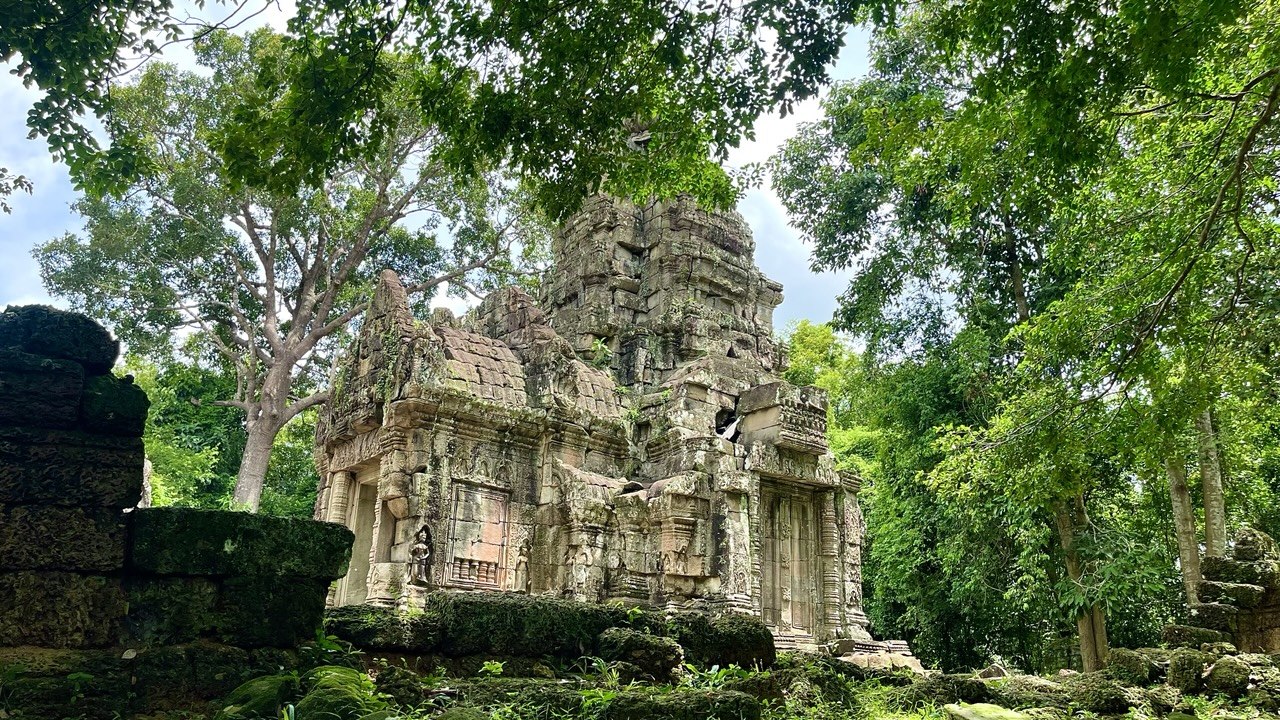
Unlike the jungle-clad Ta Prohm in Siem Reap, this temple is smaller but remarkably well-preserved, offering visitors an accessible glimpse into Angkorian art and architecture just a short trip from Phnom Penh.
Historical Background
The religious importance of this site predates the Angkor period, stretching back to the 6th century during the Phnom Da era. At that time, it served as a Hindu sanctuary under the Funan Kingdom, one of Southeast Asia’s earliest maritime empires. In the 12th century, King Jayavarman VII reconstructed the temple as a Mahayana Buddhist sanctuary, while still preserving elements of Hindu worship.
This transformation made Ta Prohm a symbol of Cambodia’s overlapping spiritual traditions. Over the centuries, both Hindu and Buddhist devotees have continued to use the temple, making it a rare testament to Cambodia’s layered religious history.
Architecture of Ta Prohm Temple
Constructed mainly of brick and laterite, Ta Prohm is enclosed by a wall measuring 42 by 36 meters. The walls were once decorated with bas-reliefs depicting Hindu myths, fragments of which can still be seen scattered in front of the temple. Inside the complex are five chambers, each originally housing a lingam that reflects its dedication to Shiva worship.
At the heart of the temple lies the main sanctuary, where a 13th-century Buddha statue now sits facing east, symbolizing the Buddhist transformation of the shrine. Above the main doorway, visitors can admire a sandstone lintel of a reclining Buddha, one of the most significant surviving carvings of the site.
Symbolism of Ta Prohm
Ta Prohm stands out as a rare example of a temple where Hindu and Buddhist traditions coexisted in harmony. The presence of lingams dedicated to Shiva, alongside Buddhist imagery such as the reclining and seated Buddha, highlights Cambodia’s unique syncretism during the Angkorian era.
This sacred duality embodies the tolerance of the time and reflects how the Khmer civilization integrated Funan’s Hindu legacy with Angkor’s Buddhist transformation, creating a temple that bridges two great religious traditions.
Surrounding Sites
Just 200 meters north of Ta Prohm lies Yeay Peau Temple, a smaller sanctuary named either after King Jayavarman VII’s mother or a local protective spirit. Though modest in size, it complements the grandeur of Ta Prohm with its intimate, spiritual character.
Nearby, the Theravada Buddhist pagoda of Wat Tonle Bati, built in 1576, continues the sacred use of the site into the present day, demonstrating the enduring significance of Tonle Bati through changing dynasties and religious traditions.