 Chung Cheang Village – Artistry of Khmer Tradition
Located about 24 kilometers (roughly 48 minutes by road) from the provincial town, Chungcheang Village in Phnom Chungcheang Commune, Preah Netr Preah District, is one of Banteay Meanchey’s most important cultural destinations. Found along National Road No. 6, this village has become a vibrant hub of traditional craftsmanship where the artistry of the Khmer past continues to thrive.
A Living Tradition of Craftsmanship
Banteay Meanchey has long been celebrated as a major source of sandstone, the same material used to build Cambodia’s magnificent Angkorian temples. This heritage lives on in Chungcheang Village, where local artisans uphold the legacy of stone carving with dedication and mastery.
Inspired by the intricate bas-reliefs and motifs of Angkor, craftsmen produce statues of deities, miniature temple replicas, and finely detailed decorative art pieces. Each creation embodies both exceptional skill and the enduring spirit of Khmer artistry.
Equally important is the village’s tradition of silk weaving, where women create sarongs, sampots, and delicately patterned fabrics on traditional looms. Every woven piece reflects cultural authenticity, elegance, and the patience of generations of artisans who have preserved this craft through the centuries. Together, stone carving and silk weaving make Chungcheang Village a living archive of Cambodia’s artistic heritage.
Natural & Cultural Setting
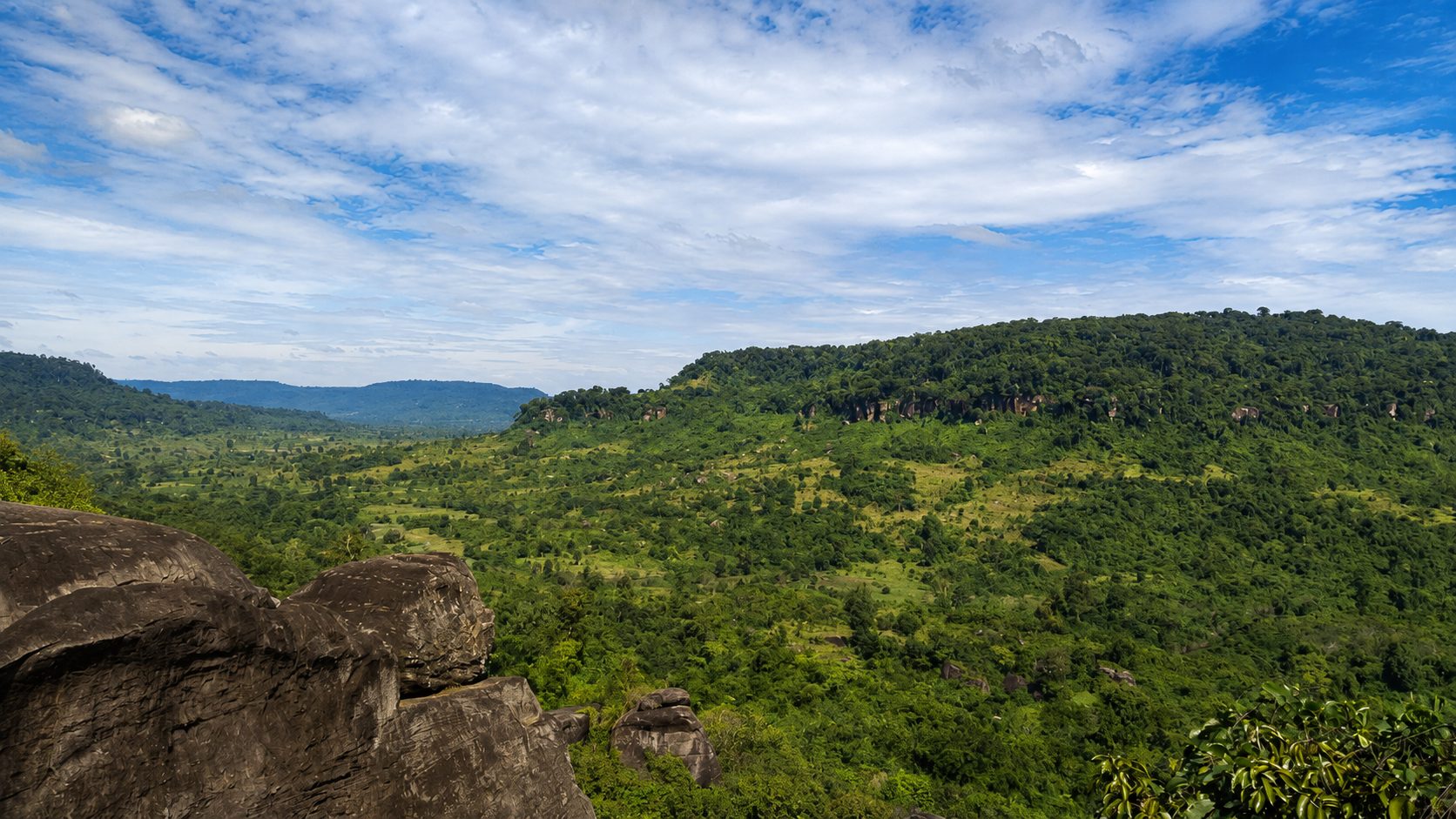
The village itself is set amidst a serene rural landscape, surrounded by lush rice fields, sugar palm trees, and open countryside. This peaceful environment enhances the cultural experience, offering travelers a glimpse of daily village life where artistry is part of the rhythm of the community.
The balance between creative workshops and natural beauty makes Chungcheang an inspiring destination for those who wish to experience both culture and nature in harmony.
Activities & Experiences
A visit to Chungcheang Village is not just about observing, it is immersive and interactive. Travelers can watch master artisans carve sandstone or weave silk, gaining insight into the techniques and dedication behind each creation. Hands-on workshops allow visitors to try stone carving or weaving themselves, guided by local experts eager to share their knowledge.
For those interested in authentic souvenirs, purchasing crafts directly from the artisans supports sustainable livelihoods while ensuring the continuation of these ancient skills. Beyond the workshops, visitors can explore the countryside by bicycle or even ox cart, offering a closer connection to the rhythms of rural life. Meeting local families further deepens the experience, as stories of heritage and cultural traditions are passed down across generations.