Preah Pithu Temple Group – A Hidden Gem in Angkor Thom
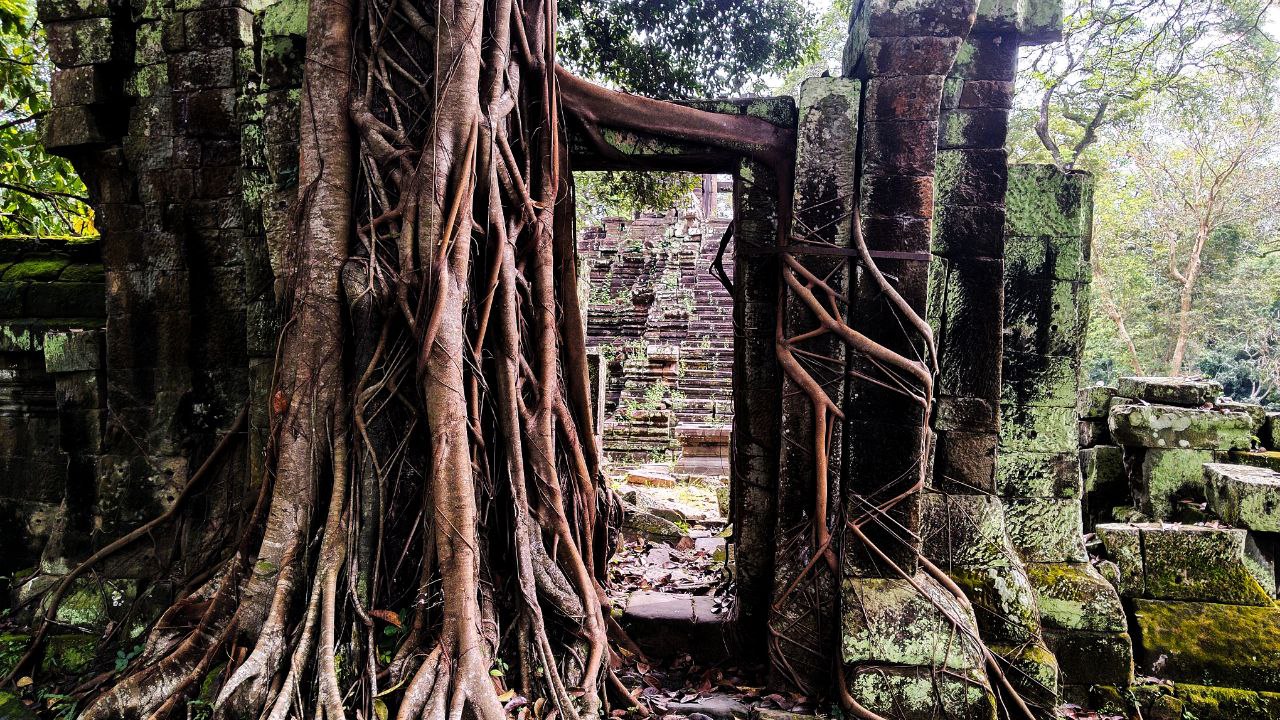
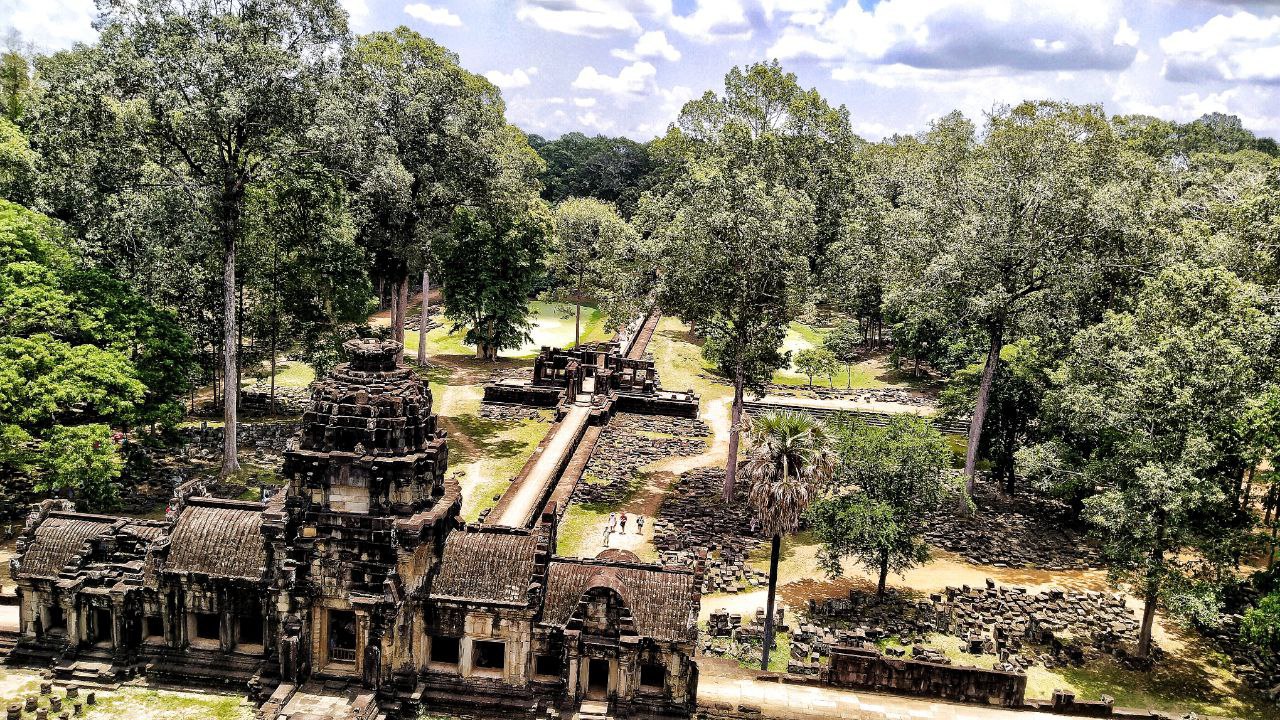
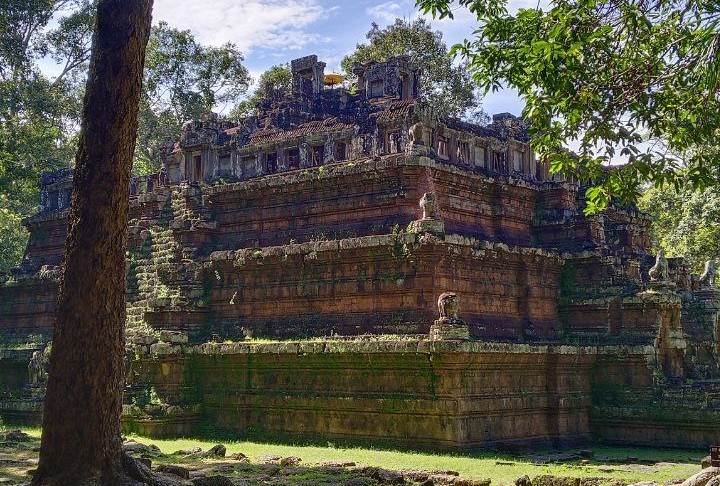
The Preah Pithu Temple Group is a fascinating yet lesser-known collection of small temples located within Angkor Thom, just northeast of the Bayon Temple in Siem Reap, Cambodia. Nestled in a quiet forested setting, these shrines date from the 12th to 13th centuries and reflect the religious transition from Hinduism to Mahayana Buddhism during the reigns of kings such as Suryavarman II and Jayavarman VII.
Layout and Features
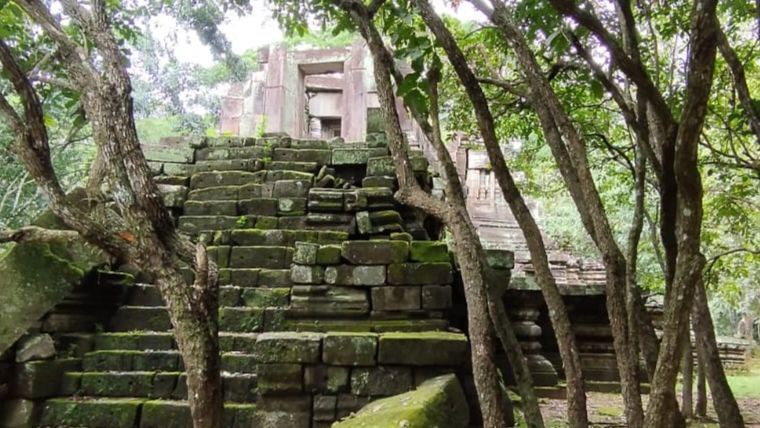
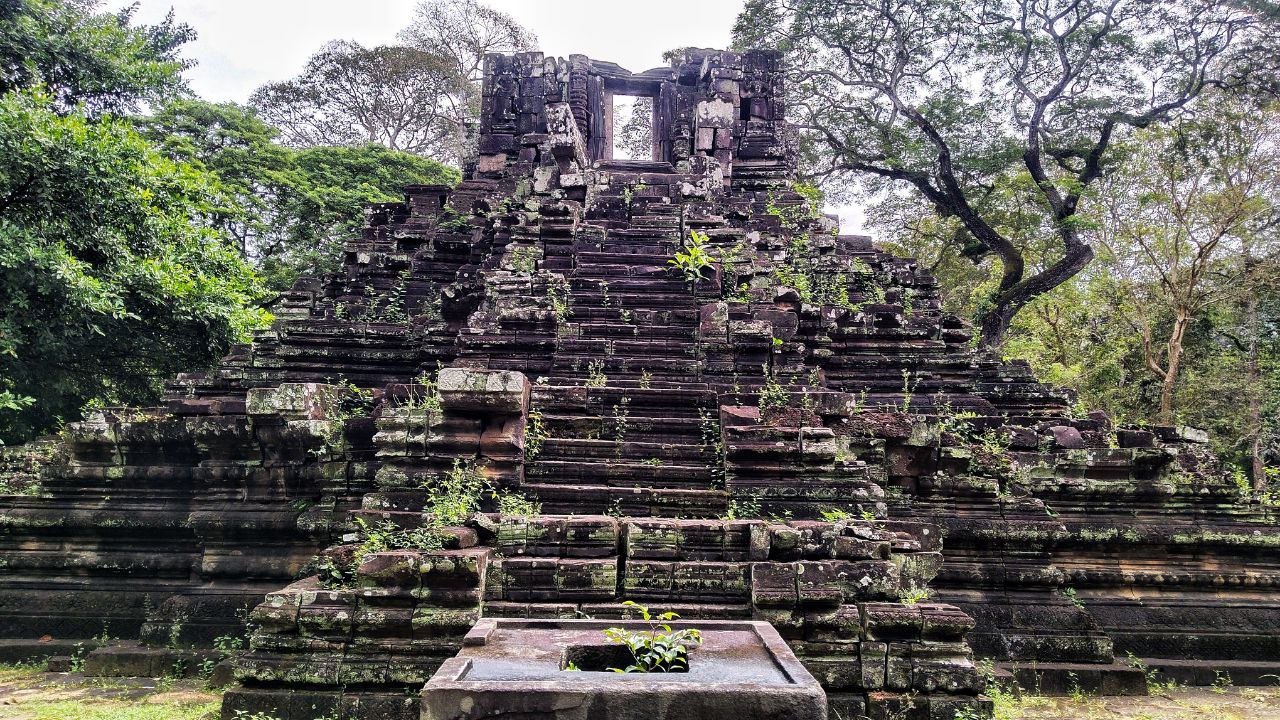
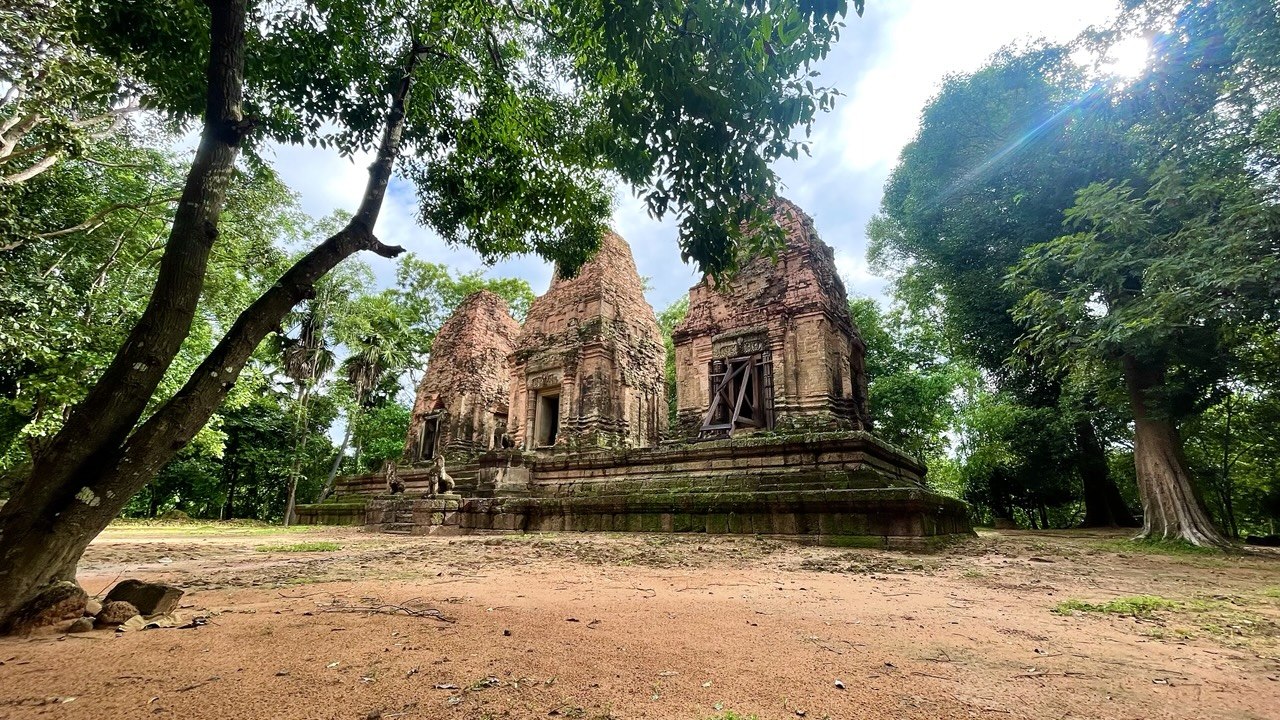
Archaeologists label the five temples as T, U, V, X, and Y. Although modest in size compared to Angkor’s grand monuments, they possess rich architectural details and hold unique historical value within the complex.
Temples T and U are believed to be Hindu in origin. They were likely constructed under King Suryavarman II, the monarch best known for building the monumental Angkor Wat. These temples reflect the Hindu tradition of the mid-12th century, with decorative carvings and shrines dedicated to deities.
Temples X and Y, in contrast, are associated with Mahayana Buddhism and attributed to King Jayavarman VII. Built in the late 12th to early 13th century, they demonstrate the shift in state religion during his reign, incorporating Buddhist imagery and devotional symbolism.
Temple V represents a transitional structure that blends both Hindu and Buddhist elements. This fusion reflects the gradual evolution of Khmer religious practices during the period when Buddhism began to gain prominence alongside traditional Hindu worship.
The site features a variety of striking details, including finely carved lintels, pediments, naga balustrades, devatas, and Buddhist imagery. Combined with its quiet setting, these details give Preah Pithu a distinctive charm that contrasts with the grandeur of larger Angkor temples.
Cultural & Historical Significance
The Preah Pithu complex is significant for its blend of Hindu and Buddhist influences. The coexistence of imagery from both traditions highlights the religious fluidity of the Khmer Empire, when kings shifted patronage between the two faiths without erasing earlier traditions.
Architecturally, the temples represent a transitional phase between the Angkor Wat period and the Bayon period. Their designs illustrate how Khmer temple architecture evolved from the balanced, harmonious proportions of the classical style to the more complex and symbolic layouts of Jayavarman VII’s Buddhist monuments.
Beyond their architectural and religious importance, the Preah Pithu temples also provide a more intimate atmosphere compared to Angkor’s grander sites. Unlike Bayon or Baphuon, which draw large crowds, Preah Pithu offers a quiet space where visitors can contemplate Angkor’s cultural legacy at a slower pace.