
The Cambodian Water Festival (Bon Om Touk) is a vibrant, three-day celebration that marks the end of the rainy season and the unique reversal of the Tonle Sap River’s flow. Held annually in November, the festival draws millions of Cambodians to Phnom Penh and other riverfront cities to take part in the festivities.
At the heart of Bon Om Touk are the traditional boat races, where elaborately decorated longboats owered by up to 80 rowers, compete in a spirited display of teamwork and endurance. These races are not only thrilling spectacles but also a homage to Cambodia’s rich maritime heritage.
As night falls, illuminated boat processions light up the rivers, showcasing intricate designs crafted with colored lights, often representing government ministries, religious motifs, or royal symbols. These processions create a magical atmosphere and reflect the blend of spirituality and celebration that defines the festival.
The origins of the Water Festival date back to the Angkorian era, particularly under King Jayavarman VII, whose reign emphasized naval strength. The festival is believed to commemorate naval victories and to honor the divine synchronization between water and agricultural abundance, which is crucial for rice cultivation, a cornerstone of Cambodian life.
Today, Bon Om Touk remains a time of national pride and unity, where people from all walks of life gather to celebrate tradition, express gratitude to the river, and enjoy music, dance, food, and fireworks.

Unique Natural Phenomenon: The festival celebrates the Tonle Sap River’s unusual flow reversal, a unique event where the river changes direction due to the Mekong River’s overflowing waters.
This spectacular celebration, held annually during the full moon of the Buddhist month of Kadeuk, marks the reversal of the flow of the Tonle Sap River and the end of the rainy season.
With its rich history and centuries-old traditions, the Cambodia Water Festival is a must-see event that showcases the country’s vibrant spirit and unity.
In this article, we delve into the fascinating aspects of this iconic festival, exploring its origins, significance, and the exhilarating experiences it offers.
 Dragon Boat Races: The highlight of the festival is the spectacular dragon boat races, where teams representing different villages and provinces compete.
One of the highlights of the Cambodia Water Festival is the thrilling boat races that take place along the river. Teams from different villages and provinces compete, showcasing their strength, agility, and teamwork.
The long, narrow boats, known as “krolan,” are paddled by dozens of rowers, with a drummer at the front setting the pace. The rhythmic beating of the drums, coupled with the cheers of spectators, creates a pulsating atmosphere that is truly captivating. The boat races not only serve as a competition but also as a demonstration of unity and pride among the Cambodian communities.
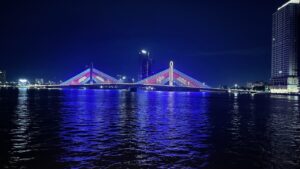 Illuminated Boats: At night, the river comes alive with beautifully illuminated boats, often decorated with lights and patterns, creating a magical atmosphere.
As dusk sets in, the Cambodia Water Festival enters a magical phase with the arrival of the illuminated float parade. Elaborately decorated floats glide along the river, adorned with colorful lights and stunning designs inspired by Cambodian mythology and culture.
The floats depict mythical creatures, historical figures, and scenes from ancient stories, captivating the audience with their beauty and craftsmanship.
The combination of lights, music, and storytelling creates an enchanting ambiance that immerses visitors in the rich tapestry of Cambodian traditions.
 Moon Salutation (Sampeah Preah Khae): A traditional ceremony where people offer prayers and gratitude to the moon for the abundant harvest and prosperity.
This is a Buddhist religious festival which is dedicated to the Moon and coincides with the Royal Water Festival. Sampeah Preah Khae takes place on the last day of the Royal Water Festival. Cambodians usually set up an array of offerings in the form of fruits that are popular with rabbits, such as Ambok, banana, coconut, yam, sweet potato and drinks.
They light incense in front of their homes at night before gathering at pagodas at midnight for the third ceremony, Ok Ambok where they remember the life of Pothisat the moon rabbit. Once consumed, adults usually take a handful of ambok to feed it into the mouth of younger children as a sign of care and goodwill.
While holding their noses, children open their mouth and look at the Moon, usually making a wish, to remember the generosity of the altruistic rabbit as a model. Apart from these domestic rituals, Khmer people usually enjoy gambling as a group during the festival.
 Ok Om Bok: is also known as the Moon Festival, is a significant ritual within Cambodia’s broader Water Festival (Bon Om Touk) celebrations.
Held on the night of the full moon in the Buddhist month of Kadeuk (usually in November), it marks the end of the rainy season and celebrates the start of the rice harvest.
Central to the festival is a traditional ceremony in which people gather to offer thanks to the moon for providing a bountiful harvest and favorable weather, especially vital for rice cultivation.
As part of this ritual, Cambodians consume roasted and pounded glutinous rice, called Om Bok, often served with banana or coconut juice.
Elders or respected community members typically perform the ritual, sometimes asking children or younger participants questions about their wishes or dreams, symbolizing blessings for the coming year.
Rooted in both agricultural tradition and spiritual belief, Ok Om Bok reflects Cambodia’s deep respect for nature, the lunar cycle, and the importance of rice as a staple of life. In many communities, especially around temples and pagodas, the celebration is accompanied by traditional games, dance, and the release of Kong Ming lanterns (sky lanterns), creating a festive and reflective atmosphere.
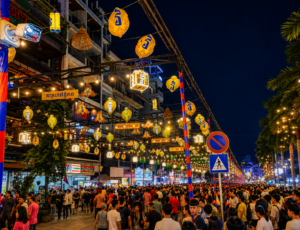 The festival fosters a sense of unity and community among Cambodians, bringing people together to celebrate their shared heritage and traditions.
Legend has it that the Cambodia Water Festival has its roots in a mythical story, dating back to the ancient times of the Khmer Empire. The tale follows the story of the Naga King, a mighty serpent believed to have the power to control water.
According to the myth, during the reign of King Jayavarman VII, the Naga King was angered by human actions and disrupted the natural flow of the Tonle Sap River.
In response, King Jayavarman VII called upon his people to organize a festival to appease the Naga King and restore harmony to the river.
This marked the beginning of the Cambodia Water Festival, a tradition that has been cherished for centuries.
 The Water Festival (Bon Om Touk) attracts hundreds of thousands of domestic and international visitors, especially to Phnom Penh, where the main boat races and celebrations take place along the Tonle Sap River.
The surge in visitors leads to peak occupancy in hotels, guesthouses, and homestays, many of which are fully booked weeks in advance.
The festival also provides a major boost to tourism-related services. Tuk-tuk drivers, guided tour operators, and souvenir vendors all see a sharp rise in demand, turning Bon Om Touk into not just a cultural highlight, but also a vital economic opportunity for local communities and small businesses.
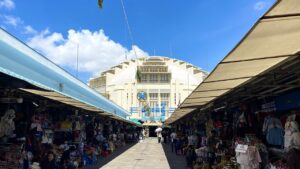 Food and beverage vendors benefit significantly during the three-day celebration, as both locals and tourists flock to enjoy street food, snacks, and traditional Khmer dishes.
Popular spots around riversides and temples become vibrant food hubs, adding to the festive atmosphere.
In addition, temporary stalls and pop-up markets spring up near festival venues, offering everything from handmade crafts and souvenirs to clothing and toys.
These micro-businesses create valuable income opportunities for small-scale entrepreneurs, making the Water Festival not only a cultural celebration but also a vital economic engine for local communities.
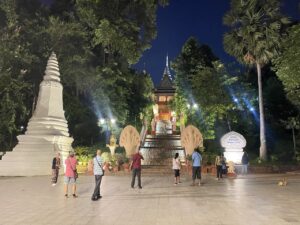 The Water Festival (Bon Om Touk) not only celebrates Cambodia’s cultural and spiritual heritage but also serves as a powerful economic catalyst. The event creates numerous short-term job opportunities in areas such as event organizing, security, cleaning, and hospitality.
At the same time, it energizes the informal economy, with many families’ earning additional income through food stalls, parking services, or selling handmade goods.
Temporary markets and riverside pop-ups flourish, offering a wide range of products that attract both locals and tourists.
Overall, the festival plays a vital role in stimulating economic activity across multiple sectors, making it not just a cherished tradition but also a significant contributor to local livelihoods and national revenue.