Angkor Thom, meaning “Great City,” was the last and most enduring capital of the Khmer Empire. Established in the late 12th century by King Jayavarman VII, it covered an impressive nine square kilometers and served as the political, religious, and cultural heart of the empire. The city reflected the height of Khmer ingenuity, with advanced urban planning, monumental architecture, and intricate artistry that celebrated both earthly power and divine order.
Layout and Design
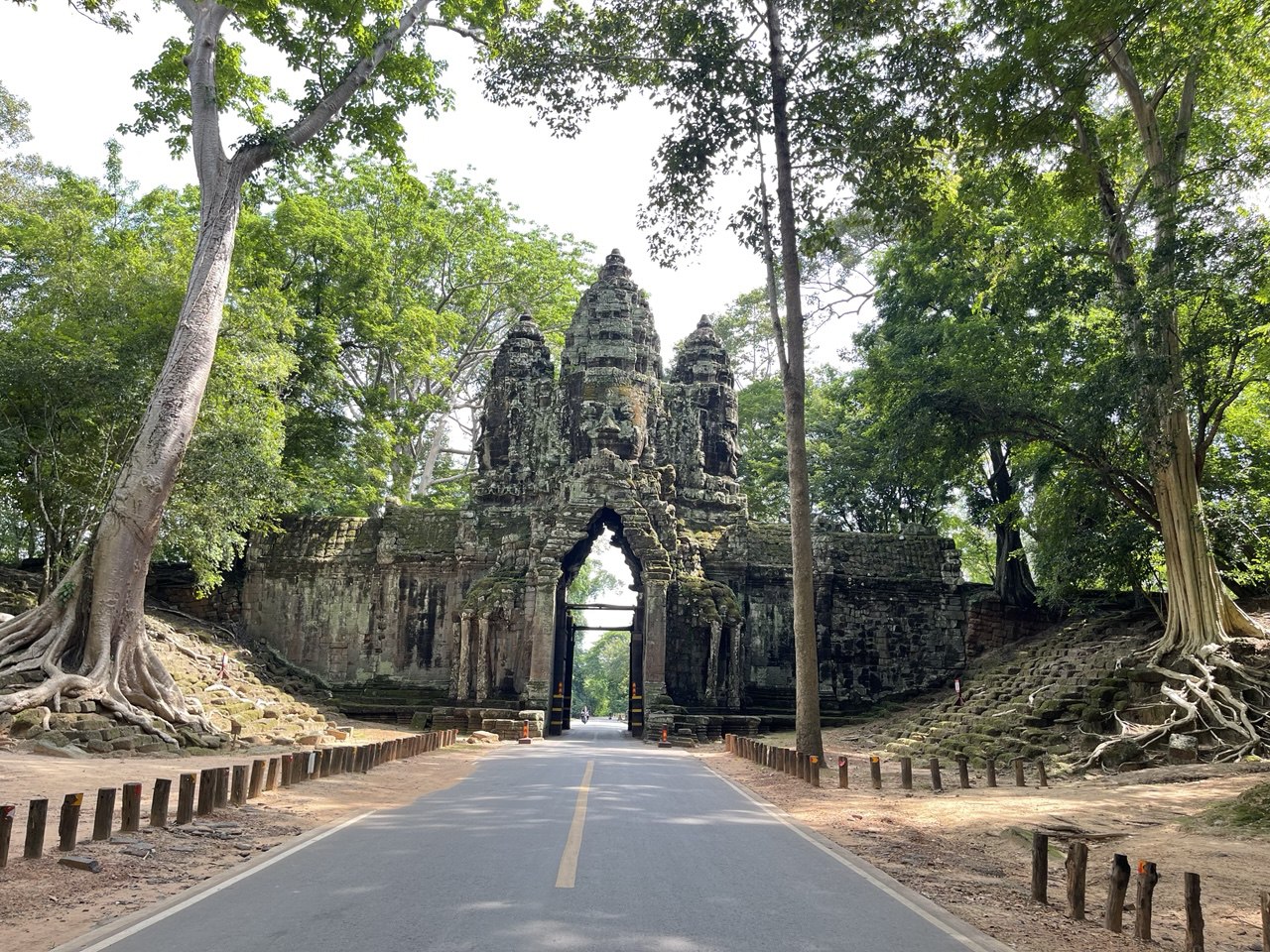
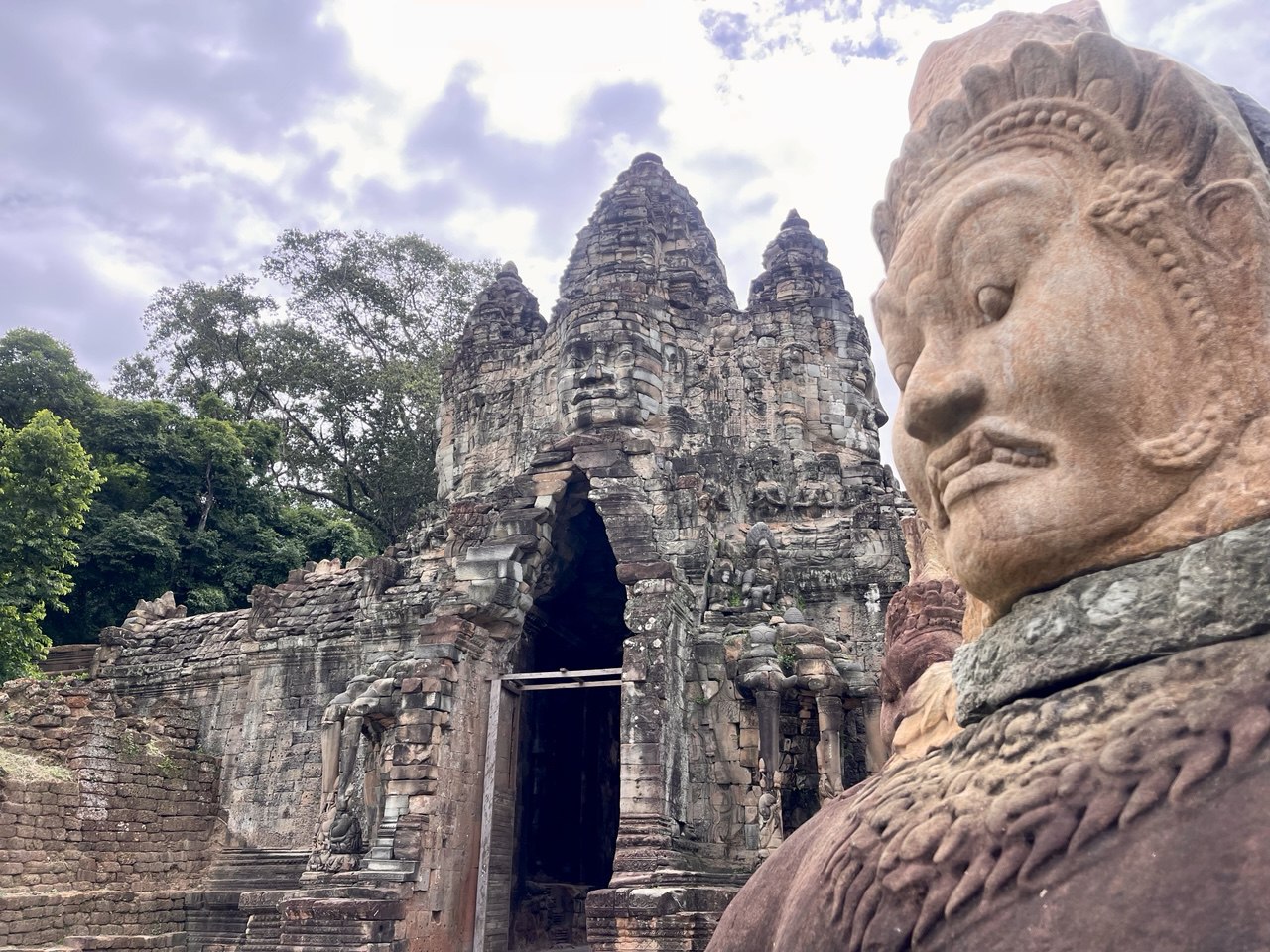
Situated immediately north of Angkor Wat, Angkor Thom is enclosed by a massive 8-meter-high wall and a wide moat measuring about 100 meters across. Access to the city was granted through five monumental gates, each adorned with serene stone faces and flanked by causeways lined with devas (gods) and asuras (demons) holding the naga serpent.
These gateways symbolized the cosmic struggle between good and evil. The South Gate, with its striking rows of guardian figures, remains the most iconic and frequently visited entrance.
Monuments Within the Walls
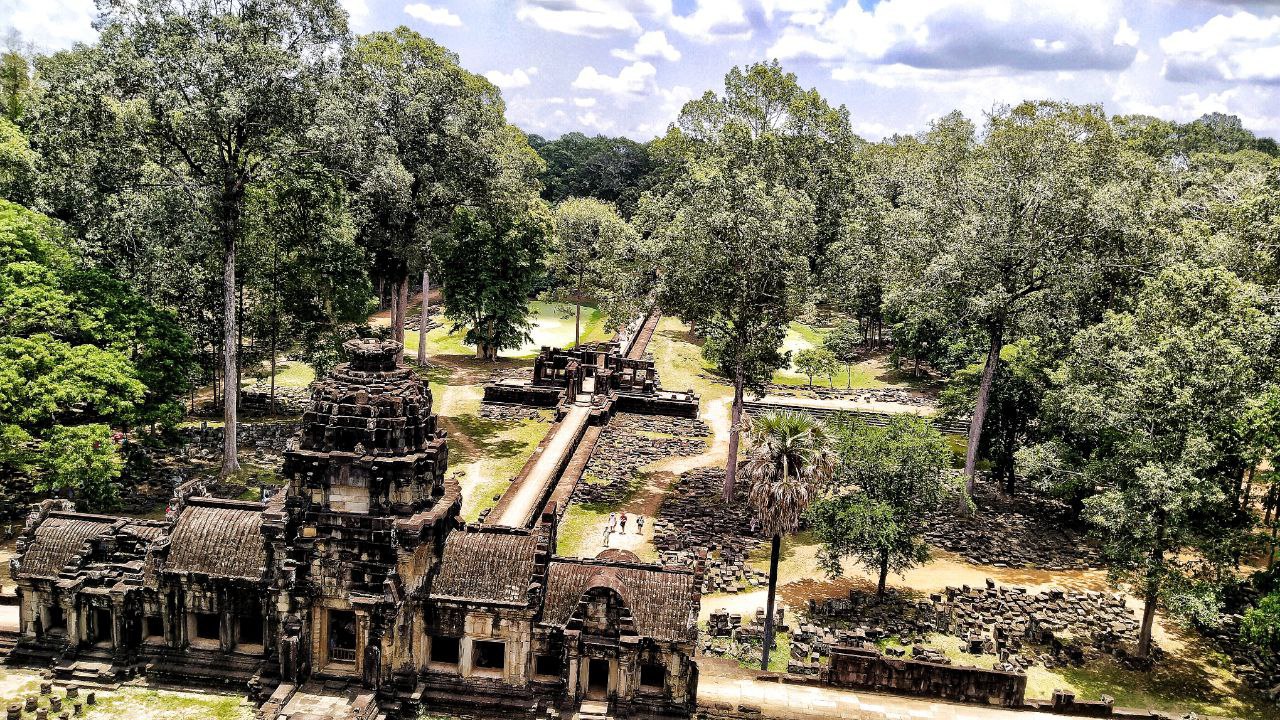
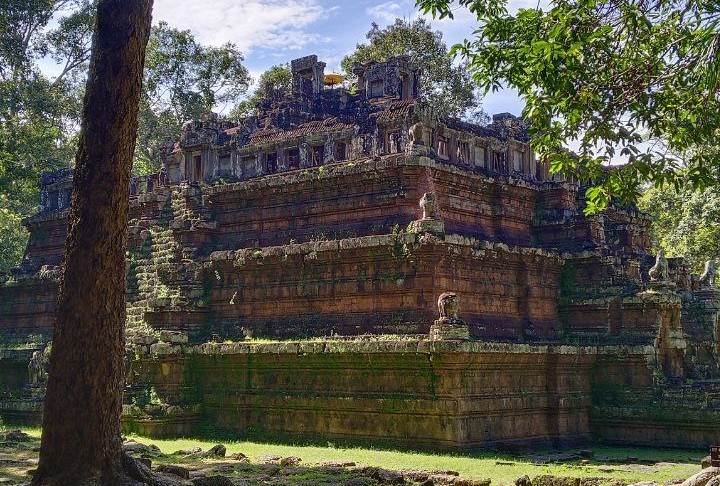
Inside the fortified city lie some of Angkor’s most celebrated monuments. At the very center stands Bayon Temple, famous for its towers of smiling stone faces that gaze serenely in all four directions. Nearby is the Baphuon, a grand pyramid temple once described as a “bronze mountain.”
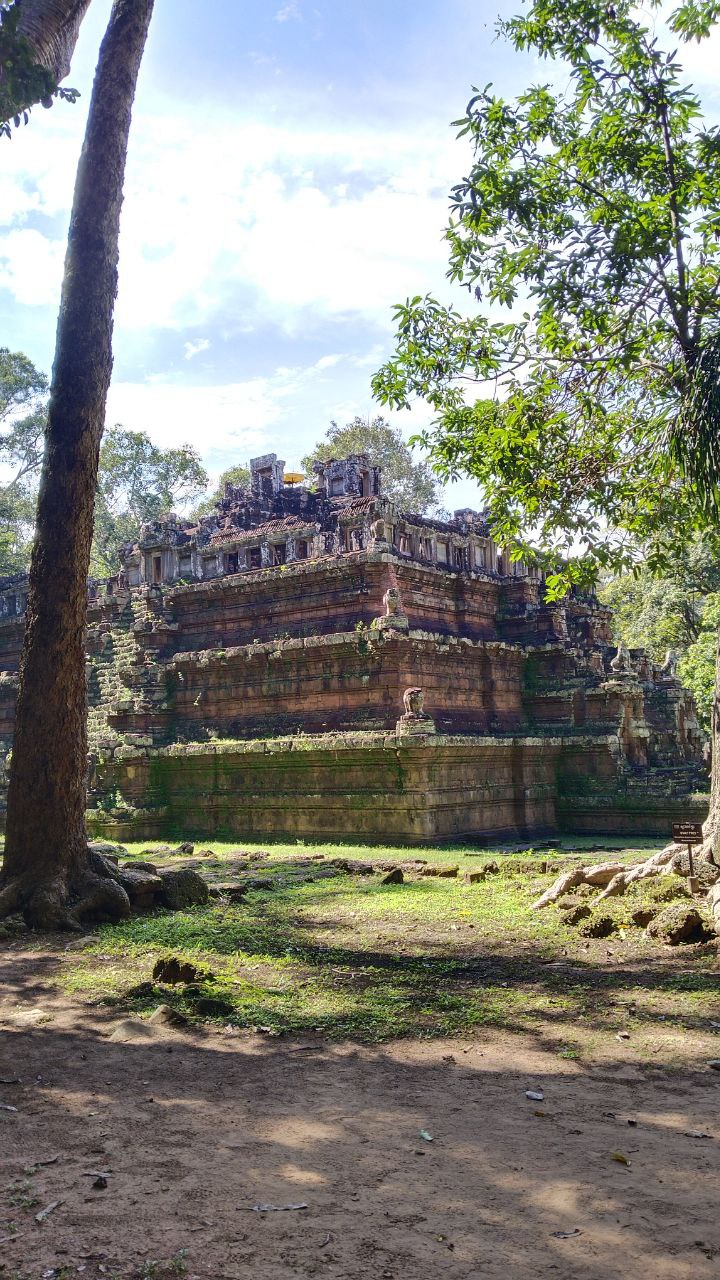
The royal enclosure contains Phimeanakas, a temple-palace linked with royal rituals, while the Terrace of the Elephants served as a grand platform for public ceremonies and royal audiences. The Terrace of the Leper King, adorned with intricate carvings of celestial beings and mythical creatures, adds to the city’s grandeur.
Historical Background
Angkor Thom was built by Jayavarman VII after he reclaimed Angkor from Cham invaders, and it symbolized both his political power and his spiritual devotion to Mahayana Buddhism. However, the city also carried earlier layers of history, as it incorporated and expanded upon Yasodharapura, the former capital established by earlier kings.
The last known temple within Angkor Thom was Mangalartha, dedicated to Vishnu in 1295, marking the final phase of monumental construction in the city.
In the following centuries, Angkor Thom declined. It was sacked by the Ayutthaya Kingdom of Siam (Thailand) in the late 14th century and gradually abandoned. By the early 17th century, it was already being described by travelers as a deserted city overtaken by the forest. Interestingly, the name “Angkor Thom” only came into use in the 16th century; prior to that, the site was still known as Yasodharapura.
Symbolism and Legacy
Angkor Thom was more than just a city, it was a symbolic model of the universe. The walls and moat represented the cosmic ocean surrounding Mount Meru, the mythological center of the universe in Hindu and Buddhist cosmology.
The Bayon, standing at the heart of the city, embodied the union of heaven and earth, radiating the watchful presence of the king as both a ruler and a spiritual guardian. The gates, with their balance of gods and demons, reminded all who entered of the eternal struggle between good and evil.
Today, Angkor Thom endures as a living testament to Khmer brilliance. Walking through its gateways and ruins allows visitors to step into a city that once housed over 100,000 people, echoing with the grandeur of ceremonies, the devotion of worshippers, and the authority of kings.