 Phnom Kulen – Birthplace of the Khmer Empire
Phnom Kulen, located in Svay Leu District, Siem Reap Province, is a sacred mountain range and national park about 50 kilometers northeast of Siem Reap city. Revered as the birthplace of the Khmer Empire, it is one of Cambodia’s most important spiritual and historical sites, blending mythology, religion, and nature into a living sacred landscape.
Historical Significance
In 802 CE, atop Phnom Kulen, King Jayavarman II declared independence from Java and proclaimed himself the universal monarch under the Devaraja (God-King) cult. This act symbolized his divine kingship and marked the birth of the Khmer Empire, setting the stage for centuries of Angkorian civilization.
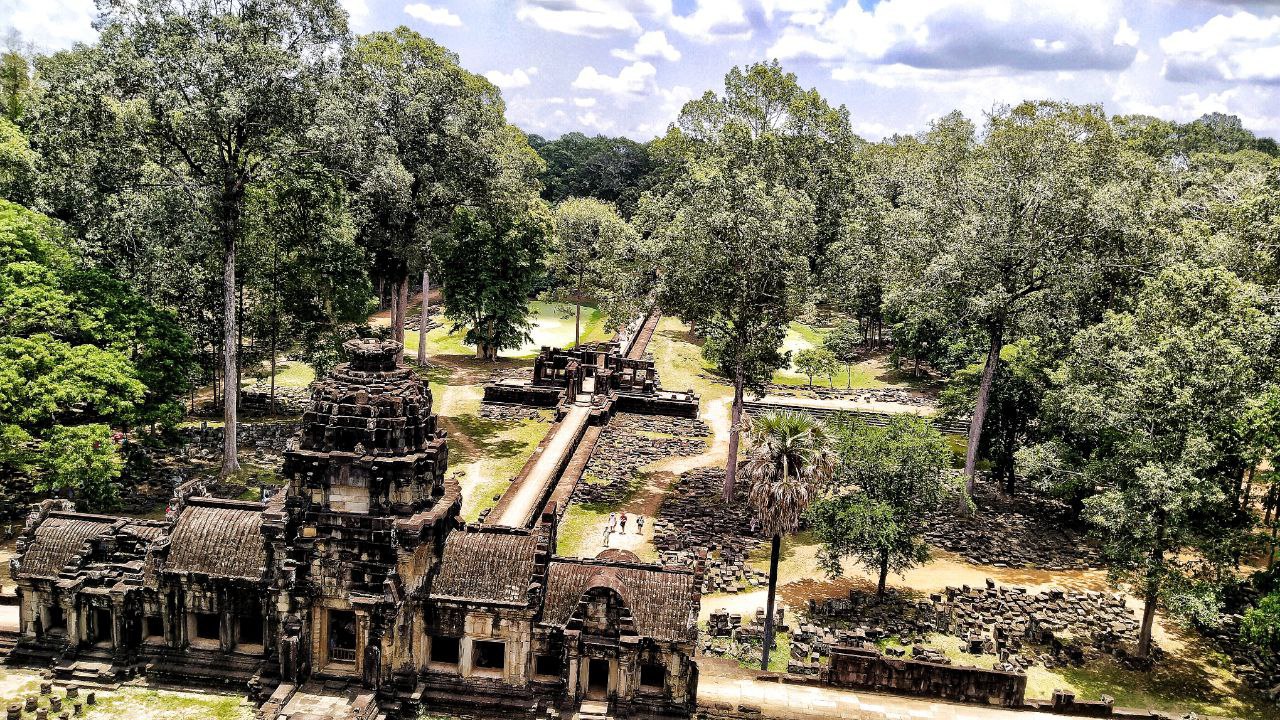
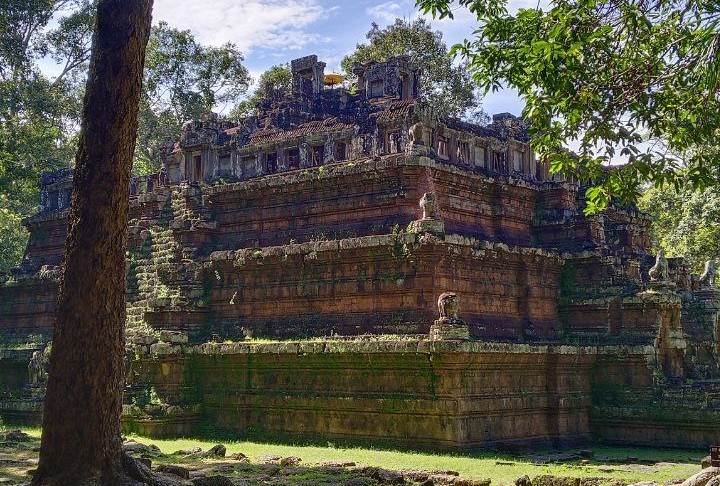
Later, during the reign of King Udayadityavarman II, Phnom Kulen developed into a flourishing royal capital. The area featured palaces, temples, reservoirs, and sacred sites such as Kbal Spean’s River of a Thousand Lingas. Archaeological surveys and modern LIDAR technology have revealed Mahendraparvata, the ancient city on Phnom Kulen, as one of the largest urban settlements of its time far larger than modern-day Phnom Penh.
Religious and Spiritual Importance
Phnom Kulen has remained a deeply revered site for more than a thousand years. Central to its sanctity is the worship of the linga, symbolizing both fertility and divine kingship. The giant reclining Buddha at Preah Ang Thom, carved directly into sandstone, continues to attract thousands of pilgrims who come to pray, offer incense, and seek blessings.
The mountain plays a vital role in Cambodia’s living faith, with Buddhist and Hindu traditions overlapping across centuries. Festivals and pilgrimages keep the mountain spiritually alive, making it not just a historical site but a sacred space still woven into Cambodia’s religious fabric.
Main Attractions
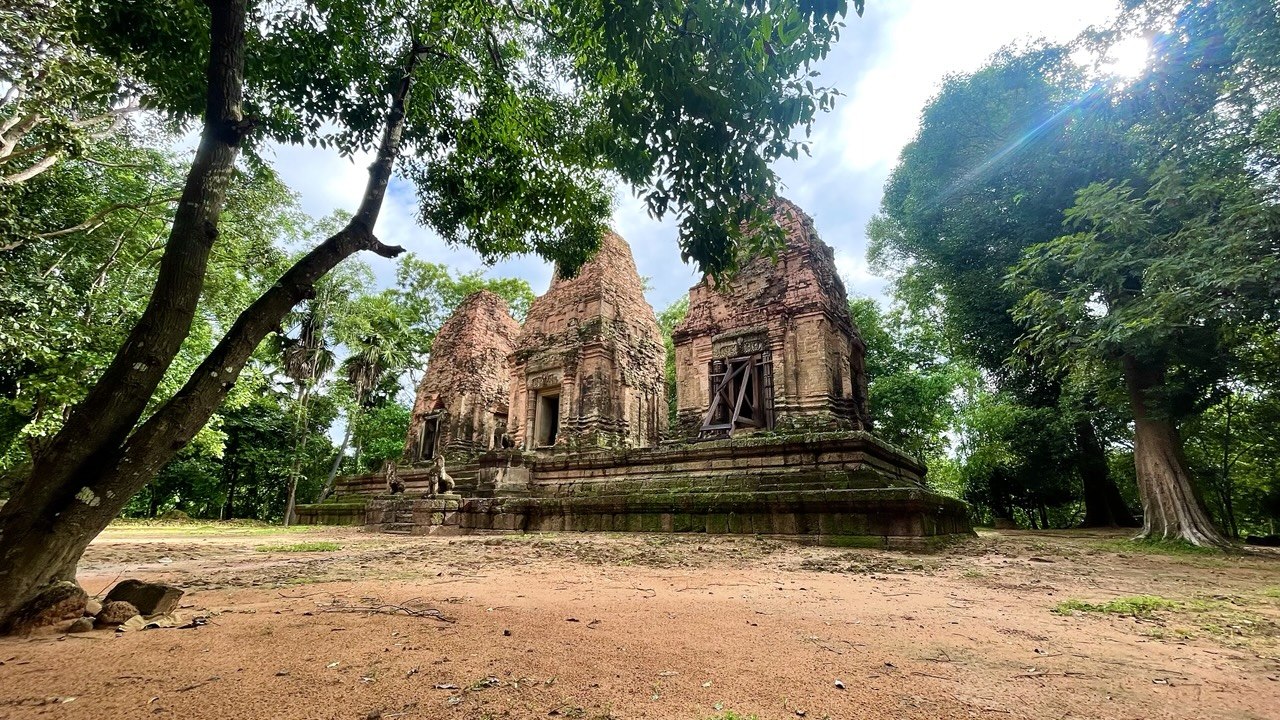
Mahendraparvata is the rediscovered ancient city of Phnom Kulen, revealing a vast Angkorian urban landscape of temples, reservoirs, and roads hidden for centuries beneath dense jungle.
The Nearby Kbal Spean, also known as the River of a Thousand Lingas, is a sacred stretch of riverbed covered in carvings of lingas, yonis, and Hindu deities, sanctifying the water as it flows downstream to Angkor.
Preah Ang Thom is home to the monumental reclining Buddha, a focal point of worship and the spiritual heart of Phnom Kulen.
The Phnom Kulen Waterfalls provide a refreshing retreat, with two cascading tiers where visitors and locals alike gather to swim, relax, and connect with the natural beauty of the mountain.
The dense forests and hidden trails of Phnom Kulen conceal countless ruins and offer visitors a chance to explore both nature and forgotten sanctuaries.
Symbolism
Phnom Kulen is more than a mountain, it is the sacred axis of Khmer identity. The proclamation of the Devaraja cult here symbolized the merging of political power and divine authority. The lingas carved into riverbeds sanctify the very water that nourished Angkor’s fields, transforming nature into a vessel of cosmic blessing.
The reclining Buddha at Preah Ang Thom reflects the transition from Hindu to Buddhist devotion, embodying Cambodia’s spiritual evolution while maintaining continuity of sacred kingship. The waterfalls, forests, and stones of Phnom Kulen are seen not just as natural features but as symbols of fertility, purity, and the eternal cycle of renewal.
Modern History & Conservation
Phnom Kulen also holds a more recent legacy as the final Khmer Rouge stronghold in 1979 during the Cambodian–Vietnamese War. This turbulent chapter of history contrasts sharply with the mountain’s sacred past but adds another layer to its identity as a place of resilience and memory.
Today, Phnom Kulen is protected as a national park, balancing its dual role as a pilgrimage site and a natural refuge. Conservation efforts aim to safeguard its fragile archaeology, biodiversity, and cultural heritage, while eco-tourism initiatives provide livelihoods for local communities.
Phnom Kulen Today
For visitors, Phnom Kulen offers a unique blend of spirituality, archaeology, and natural wonder. It is a place where kings once proclaimed empires, where rivers were blessed by divine carvings, and where pilgrims continue to seek peace and healing. More than just a destination, Phnom Kulen embodies Cambodia’s sacred origins, making it one of the nation’s most treasured sites.