Prasat Beng Mealea – The Lost Temple of the Jungle
Prasat Beng Mealea (also spelled Banteay Beng Mealea) is one of the most mysterious and atmospheric temples in Cambodia, often nicknamed the “Indiana Jones temple” for its dramatic ruins and the wild way nature has reclaimed its stones.
Located about 65 km east of Siem Reap, Beng Mealea was built in the early 12th century during the reign of King Suryavarman II, the same visionary who commissioned Angkor Wat. Though its exact purpose remains uncertain, it likely served as a major ceremonial complex and is thought to have been a prototype for Angkor Wat’s later grandeur.
History & Architecture
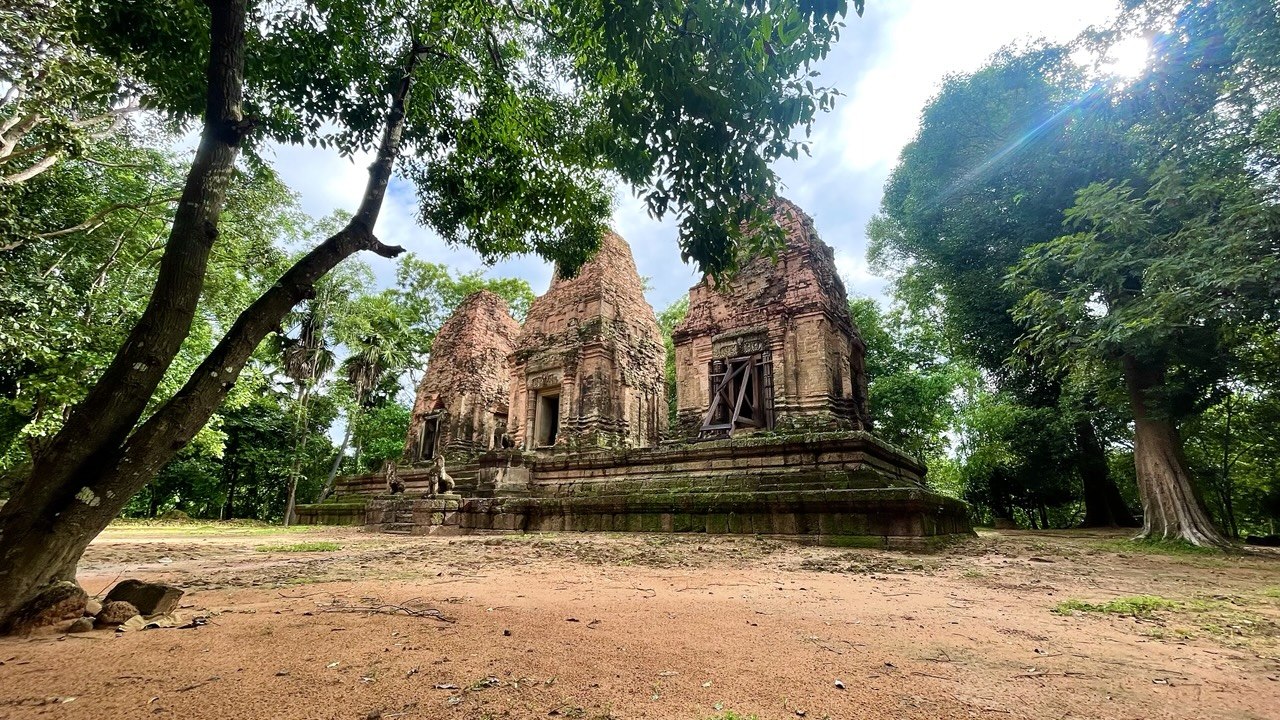
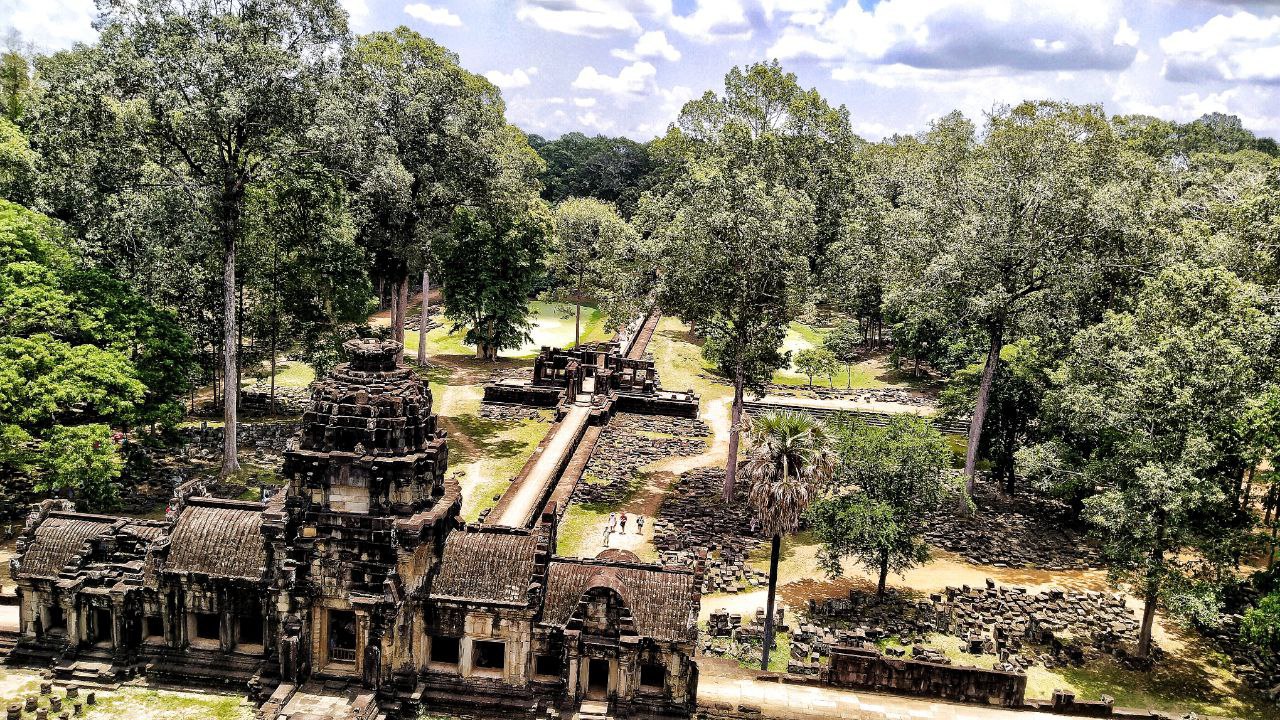
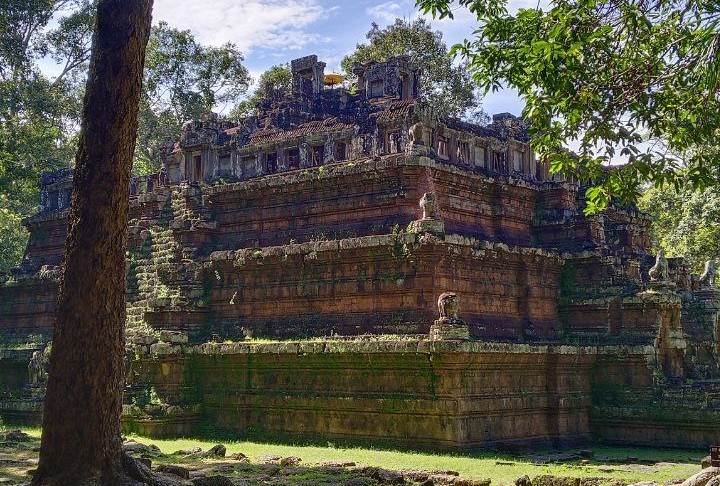
Beng Mealea closely mirrors the layout and scale of Angkor Wat, featuring a central sanctuary, long galleries, and cruciform causeways aligned to the cardinal directions. Constructed mainly of sandstone, the temple was once encircled by a vast moat, emphasizing its cosmic design.
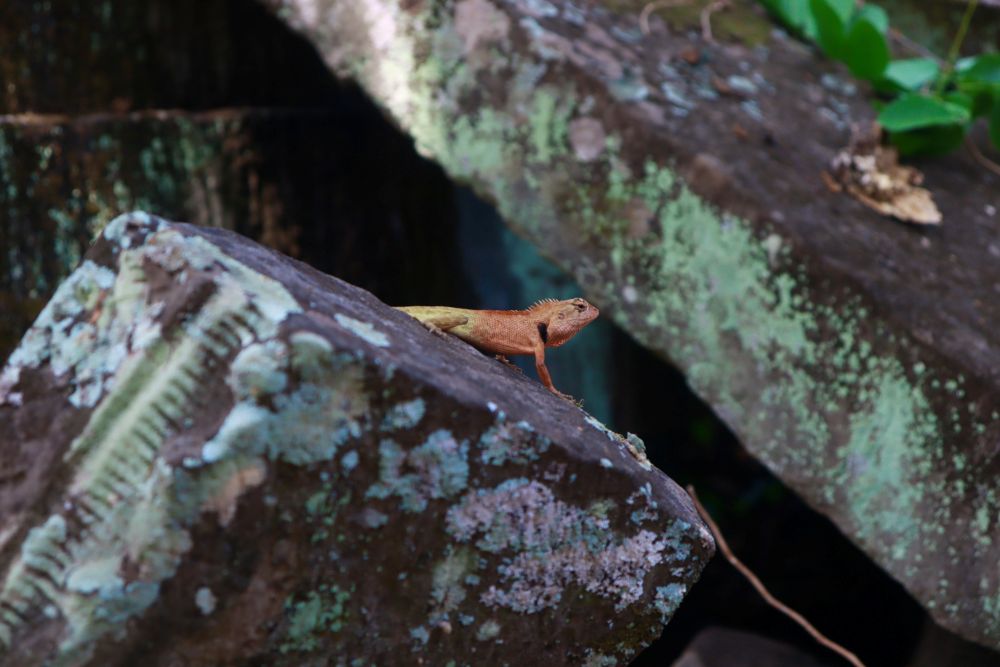
Unlike Angkor Wat, Beng Mealea was never restored. Its galleries have collapsed into sprawling piles of stone, while roots and vines snake across crumbling walls. This fusion of architecture and jungle creates an otherworldly atmosphere, where corridors wind into shadowy chambers and nature dominates every view. The untouched state of the temple gives visitors an unparalleled sense of discovery.
Cultural Significance
Beng Mealea holds a unique place in Khmer history as a prototype of Angkor Wat, offering scholars and visitors alike a glimpse into the architectural experimentation of the empire at its height.
It is also a living ruin, where the relentless force of nature demonstrates both the fragility and resilience of human creations. Trees grow from towers, moss carpets the stone, and light filters through the forest canopy, creating a sacred, timeless setting.
Despite its ruined condition, Beng Mealea retains a strong spiritual aura, with its symbolic layout rooted in Hindu cosmology. Its design reflects the Khmer vision of a cosmic temple, even as its stones lie scattered and reclaimed by the earth.
The Temple’s Symbolism
The moat that once encircled Beng Mealea symbolized the cosmic ocean, while the central sanctuary represented Mount Meru, the axis of the universe in Hindu belief. The temple’s orientation to the cardinal directions further reinforced its role as a microcosm of the cosmos.
Today, the intertwining of jungle and ruins adds an additional layer of symbolism: the eternal cycle of creation, decay, and renewal. Beng Mealea’s collapse into nature can be seen as a reminder of impermanence, where the divine and natural worlds blend seamlessly.