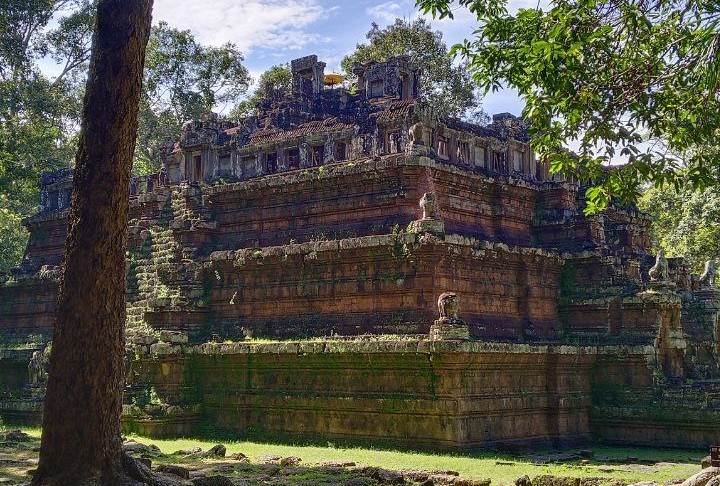
Prasat Prei – A Quiet Sanctuary in Angkor’s Forest
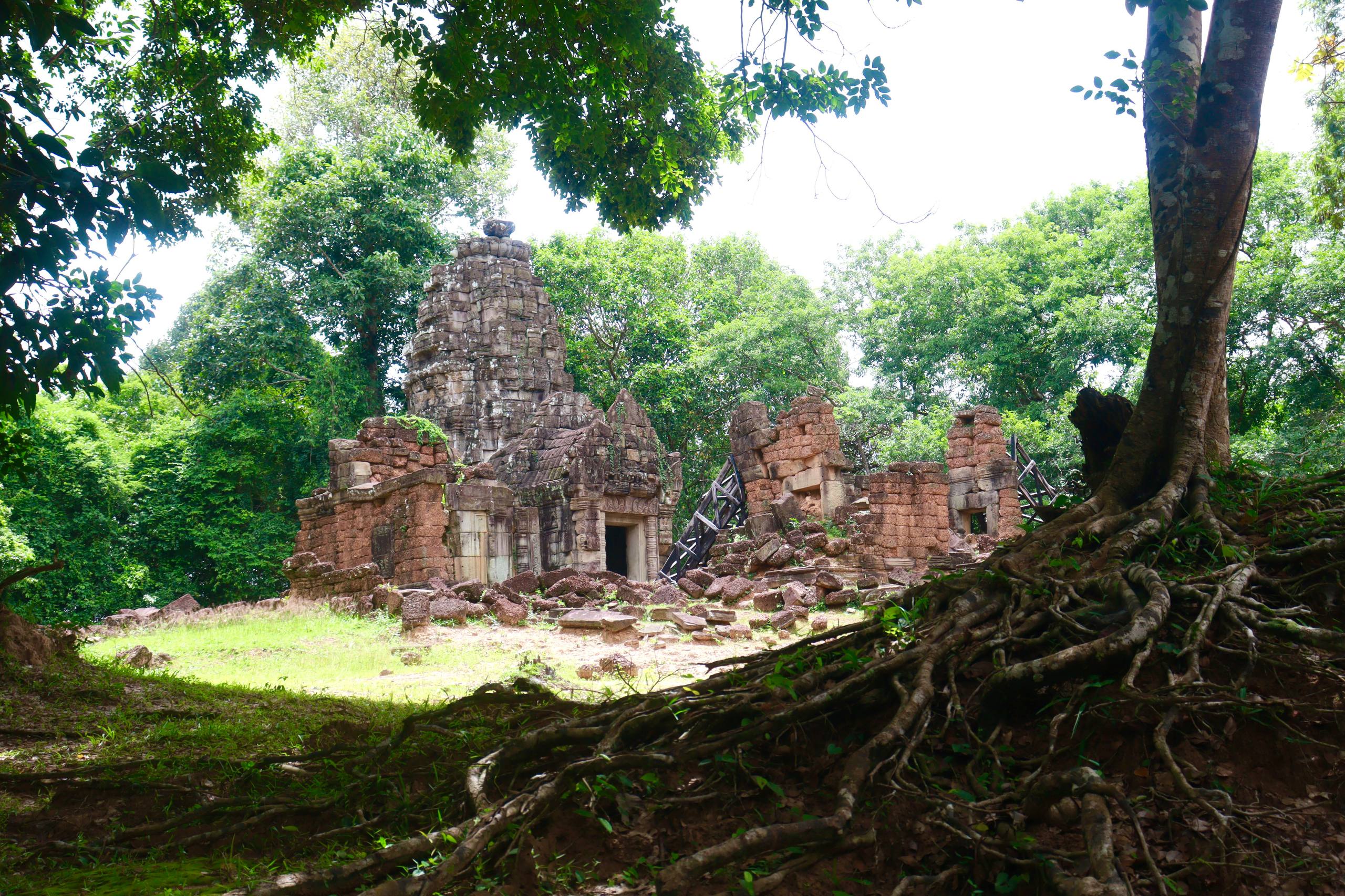
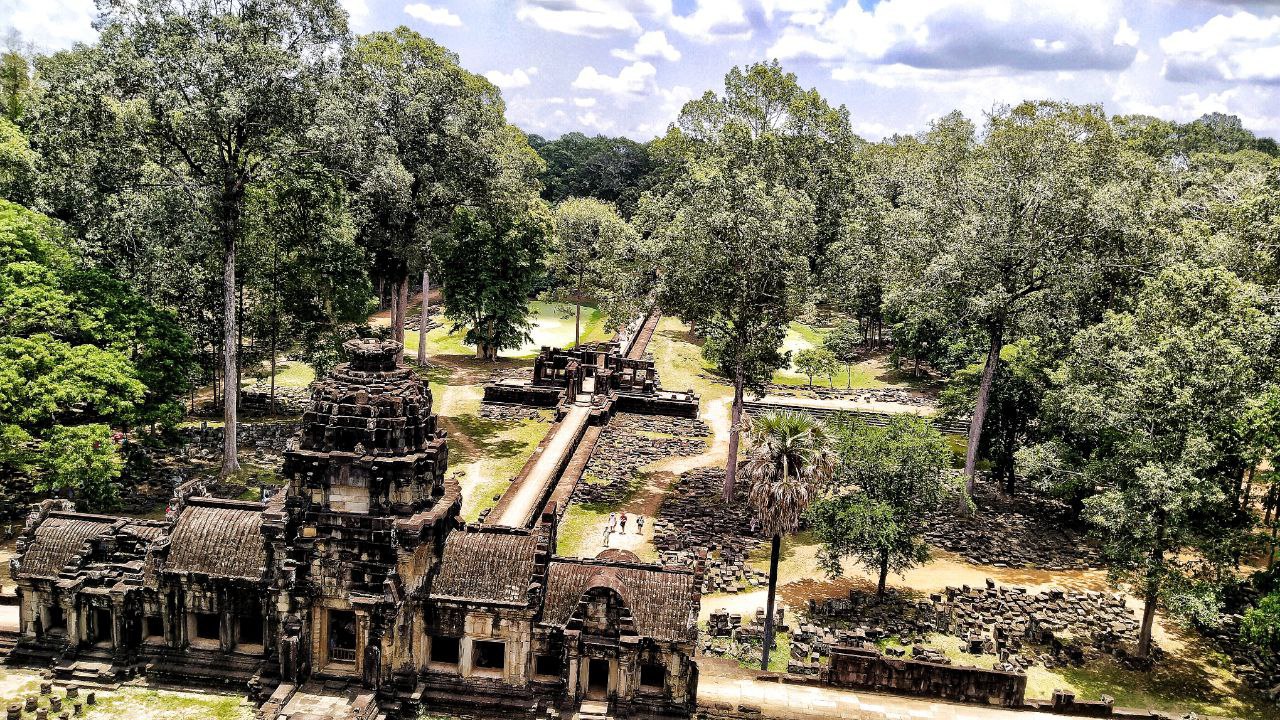
Prasat Prei is a small, serene temple ruin tucked away in the forest, just north of Preah Khan and close to Banteay Prei. Remote and rarely visited, it offers a rare opportunity to step away from Angkor’s busy monuments and experience a more contemplative side of the ancient city.
Hidden among tall trees and surrounded by birdsong and rustling leaves, the temple feels timeless, where nature and spirituality merge. For travelers who enjoy quiet exploration, Prasat Prei provides not only a glimpse of Angkor’s architectural legacy but also a chance to reflect in solitude within a truly atmospheric setting.
History & Architecture
Built in the late 12th century during the reign of King Jayavarman VII (1181–1218 CE), Prasat Prei reflects his era’s devotion to Mahayana Buddhism. Unlike the grand royal temples of the time, it likely served as a local sanctuary, emphasizing personal devotion and meditation.
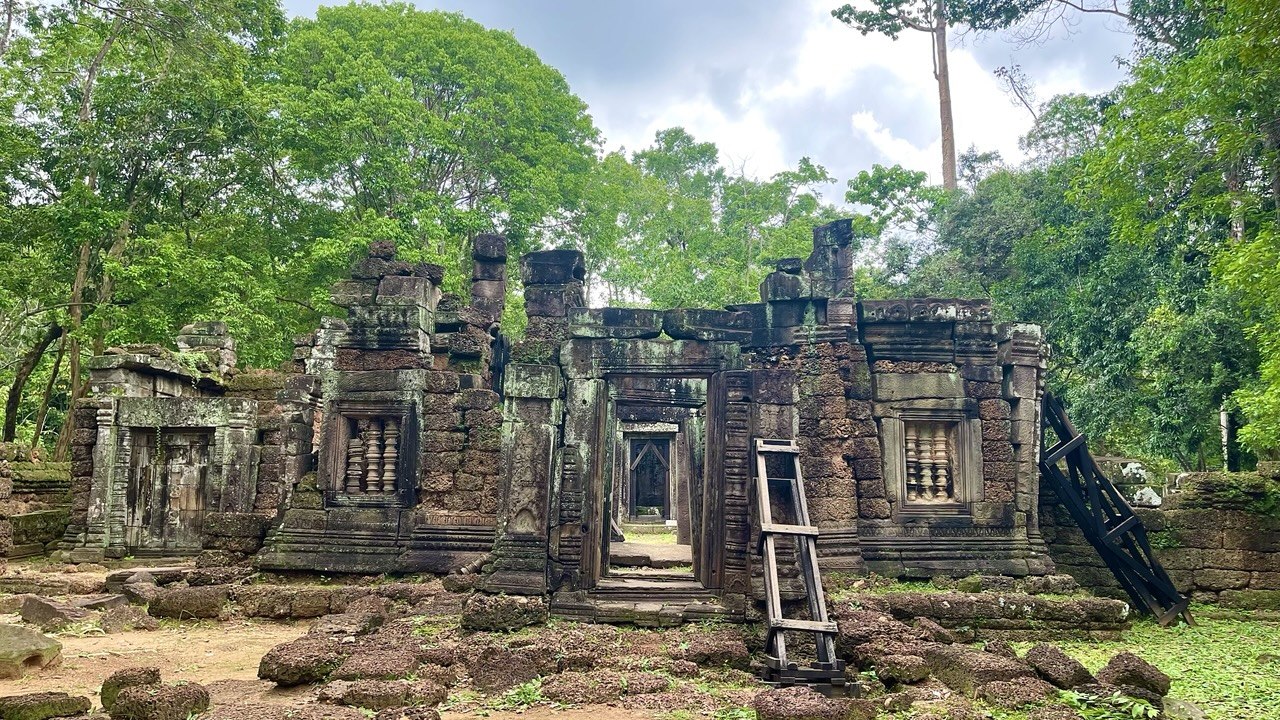
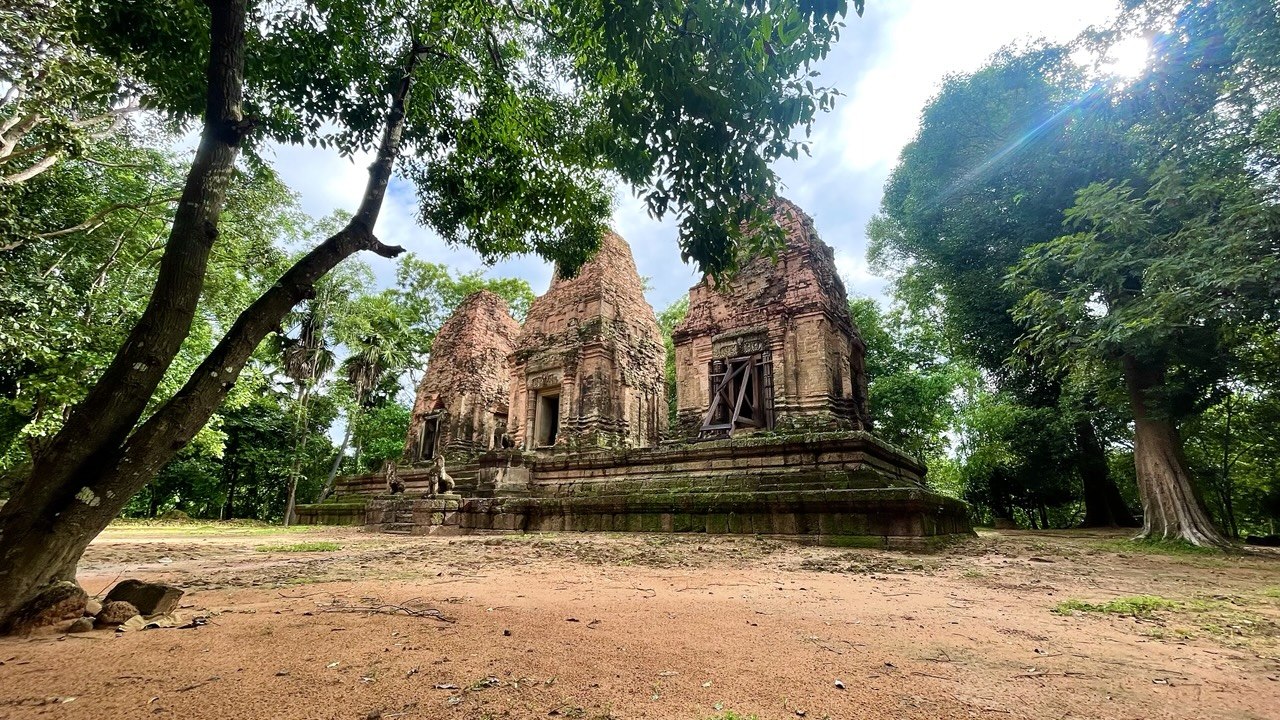
The temple consists of a single central sanctuary built of laterite and sandstone, modest in scale but imbued with spiritual intent. Weathered Buddhist carvings remain on some surfaces, though much of their detail has been eroded by time. The quiet, forested setting enhances the temple’s aura, showing how Khmer spiritual architecture was designed to harmonize with its natural surroundings.
Cultural Significance
Prasat Prei represents Jayavarman VII’s vision of extending Buddhism beyond the grandeur of royal temples into the countryside. By establishing smaller sanctuaries, he ensured that sacred spaces were accessible to local communities and not confined to the capital.
Its unrestored state contributes to its authenticity, offering modern visitors a sense of discovery. Here, one can imagine what many Angkor temples looked like before large-scale conservation, when ruins remained half-hidden in the forest.
Alongside nearby Banteay Prei, this temple forms part of a small network of hidden sanctuaries. Together, they embody the spiritual inclusivity of the Khmer Empire, showing how even modest temples played a role in the larger sacred landscape.