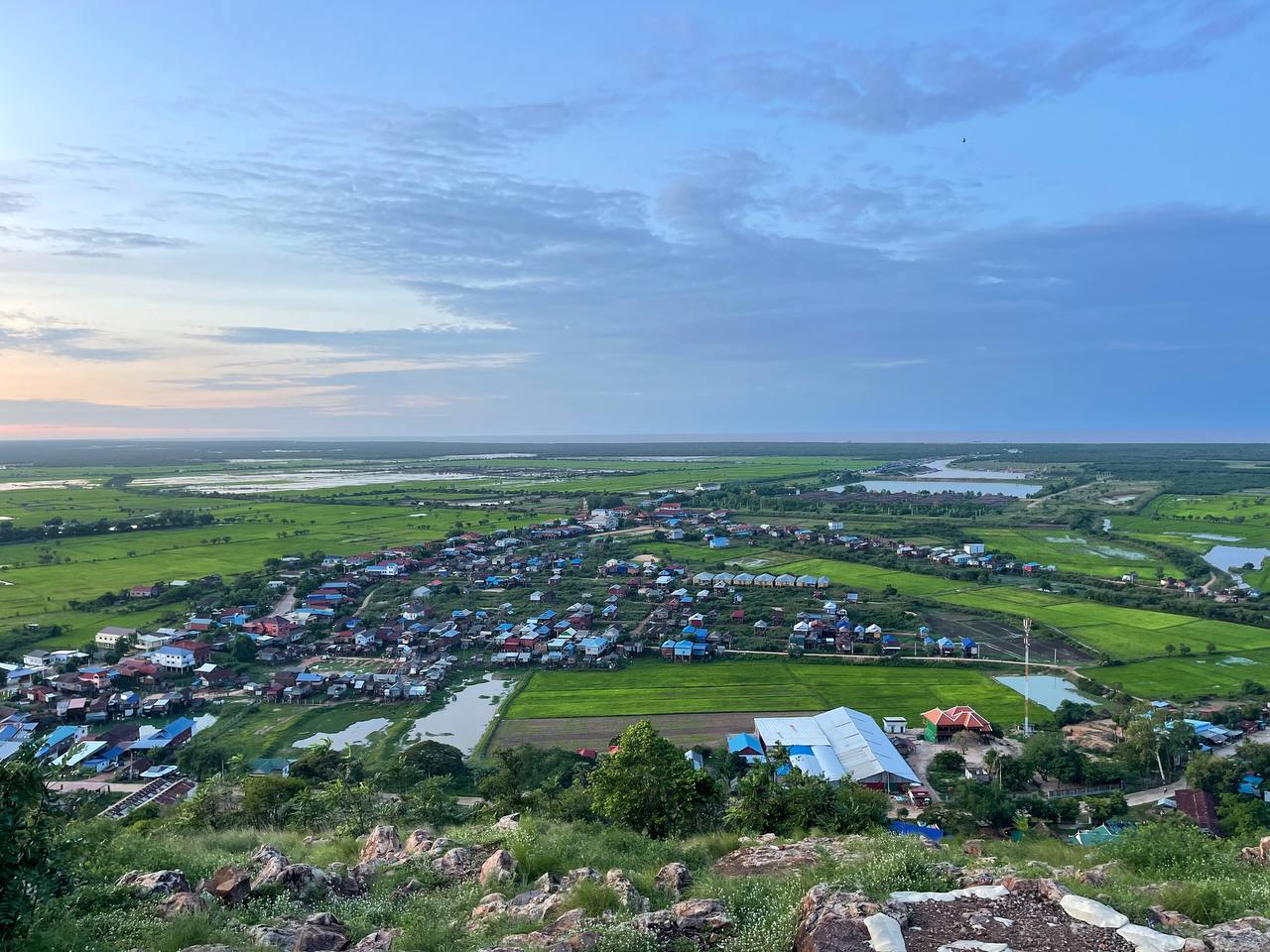
 The Svay Rieng Provincial Museum, located in Krong Svay Rieng, is a modest yet meaningful cultural institution overseen by the Department of Culture and Fine Arts.
Though small in scale, it serves as an important custodian of the province’s history, heritage, and resilience, offering visitors a quiet but powerful glimpse into Cambodia’s past.
History & Background
The museum’s existence reflects both tragedy and survival. During the Khmer Rouge era, many cultural objects from the province were at risk of destruction.
Determined to protect their heritage, locals buried or hid statues, lintels, and sacred items, later recovering them in various states of damage. These rescued pieces became the foundation of the museum’s collection. Since its establishment, the institution has played a vital role in restoring local pride, educating younger generations, and reconnecting the community with its historical identity.
Collection Highlights
While compact, the museum’s collection is authentic and deeply evocative. Visitors can admire sandstone sculptures of deities and guardians, as well as decorative fragments that once adorned ancient temples.
Lintels and pedestal bases reveal the sophistication of Khmer artistry and religious symbolism.
Sacred objects such as the Lingam and Yoni embody Brahmanical traditions of fertility and cosmic balance.
Torso pieces, bronze objects, and other remnants of statuary trace Svay Rieng’s historical links to the broader Khmer cultural sphere.
To enhance accessibility, the museum also features interactive exhibits and child-friendly displays, making it engaging for visitors of all ages.
Cultural Significance
The museum stands as a repository of memory, preserving artifacts that bridge Svay Rieng’s ancient and post-Angkorian roots with its modern identity. It also tells a story of resilience how local communities risked their lives to safeguard cultural treasures during Cambodia’s darkest years.
For today’s visitors, the collection provides both an artistic and historical narrative, shedding light on the impact of the Khmer Rouge era while highlighting the perseverance of those who fought to preserve their heritage.