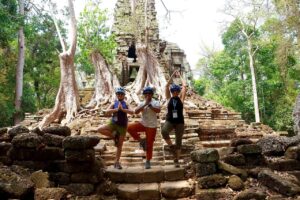
 Preah Palilay Temple – A Hidden Gem in Angkor Thom
Tucked away in a quiet, wooded corner of Angkor Thom, about 400 meters northwest of Phimeanakas, Preah Palilay is a small yet fascinating temple that rewards those who venture off the main paths.
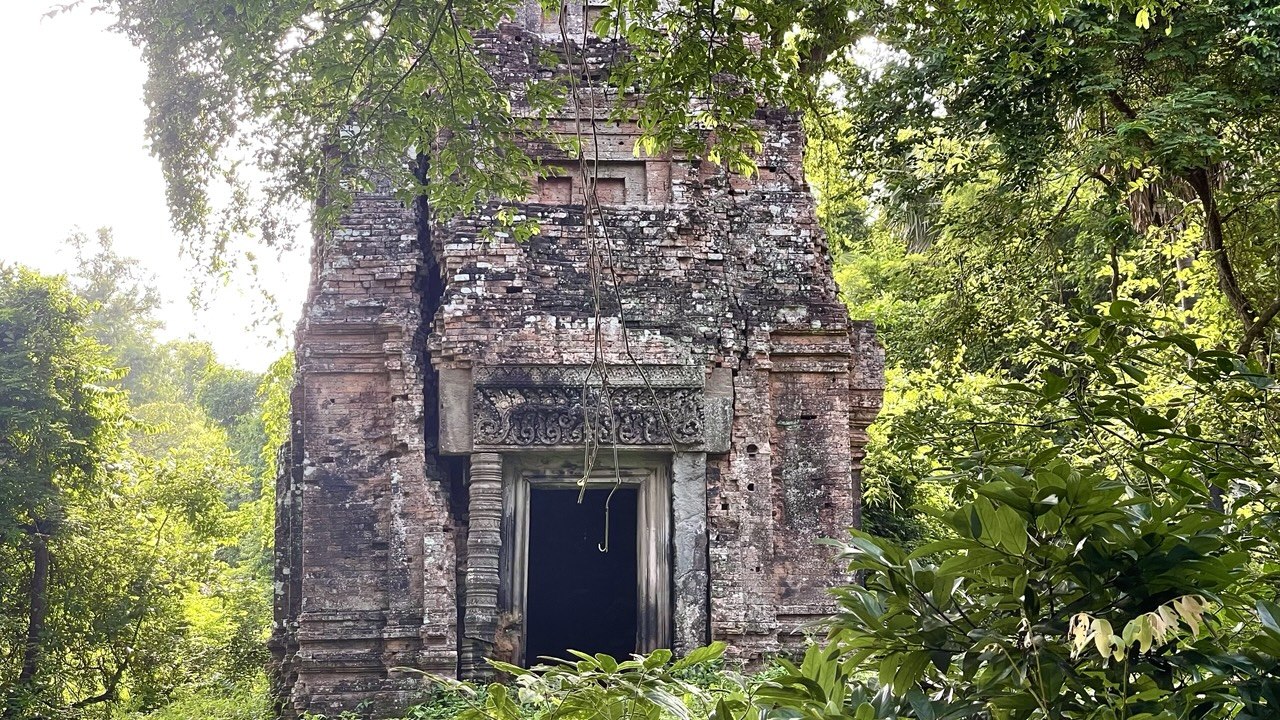
Shaded by tall trees and often overlooked by large tour groups, it offers visitors a peaceful space to reflect on the layered history of Angkor.
Historical & Cultural Significance
Preah Palilay is particularly intriguing for its unusual blend of Hindu and Buddhist elements, a reflection of Cambodia’s shifting spiritual landscape. Unlike many temples with clear inscriptions and dates, its origins remain uncertain due to the lack of dedicatory records and its mixed iconography.
Some scholars link the temple to the reign of King Jayavarman VIII in the late 13th century, a monarch known for his opposition to Buddhism. The survival of Buddhist imagery here makes this attribution complex, suggesting the temple may have undergone modifications across different periods.
Other theories propose that the central sanctuary was built earlier, perhaps in the 12th century, with later additions such as the gopura constructed during the 13th–14th centuries. Chinese art historian William Willetts even suggested an earlier date under King Suryavarman II, the builder of Angkor Wat.
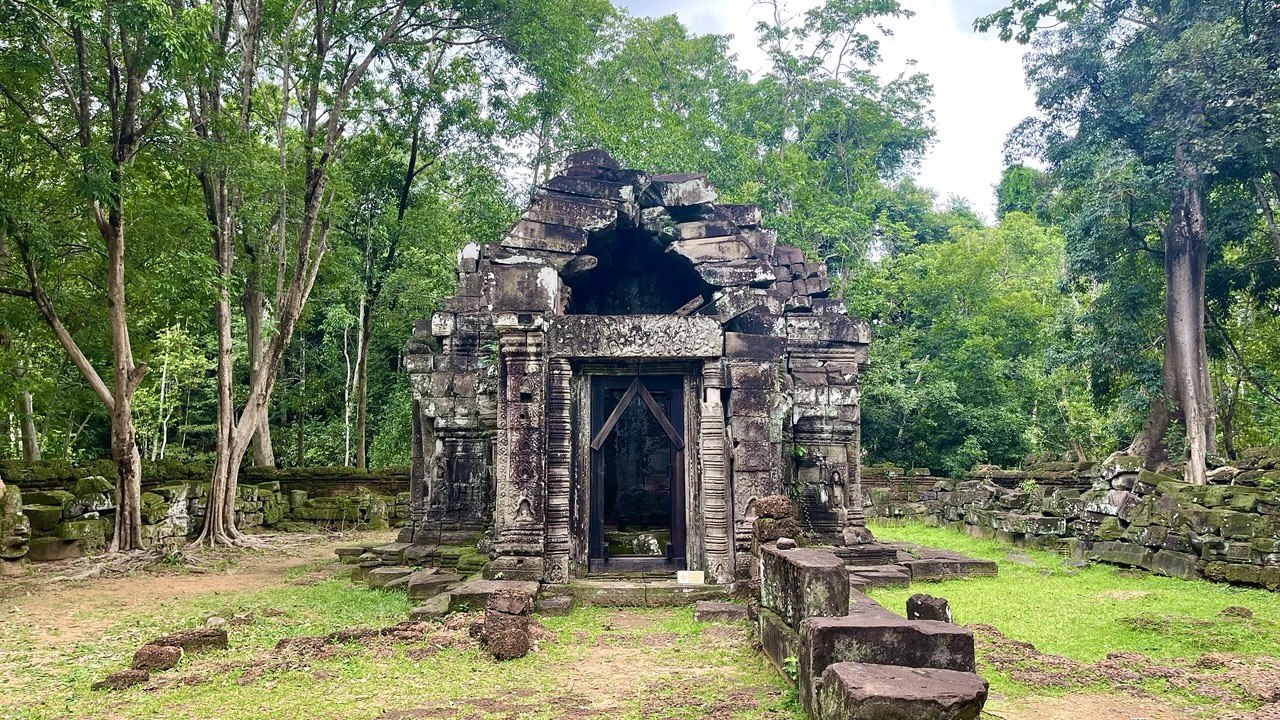
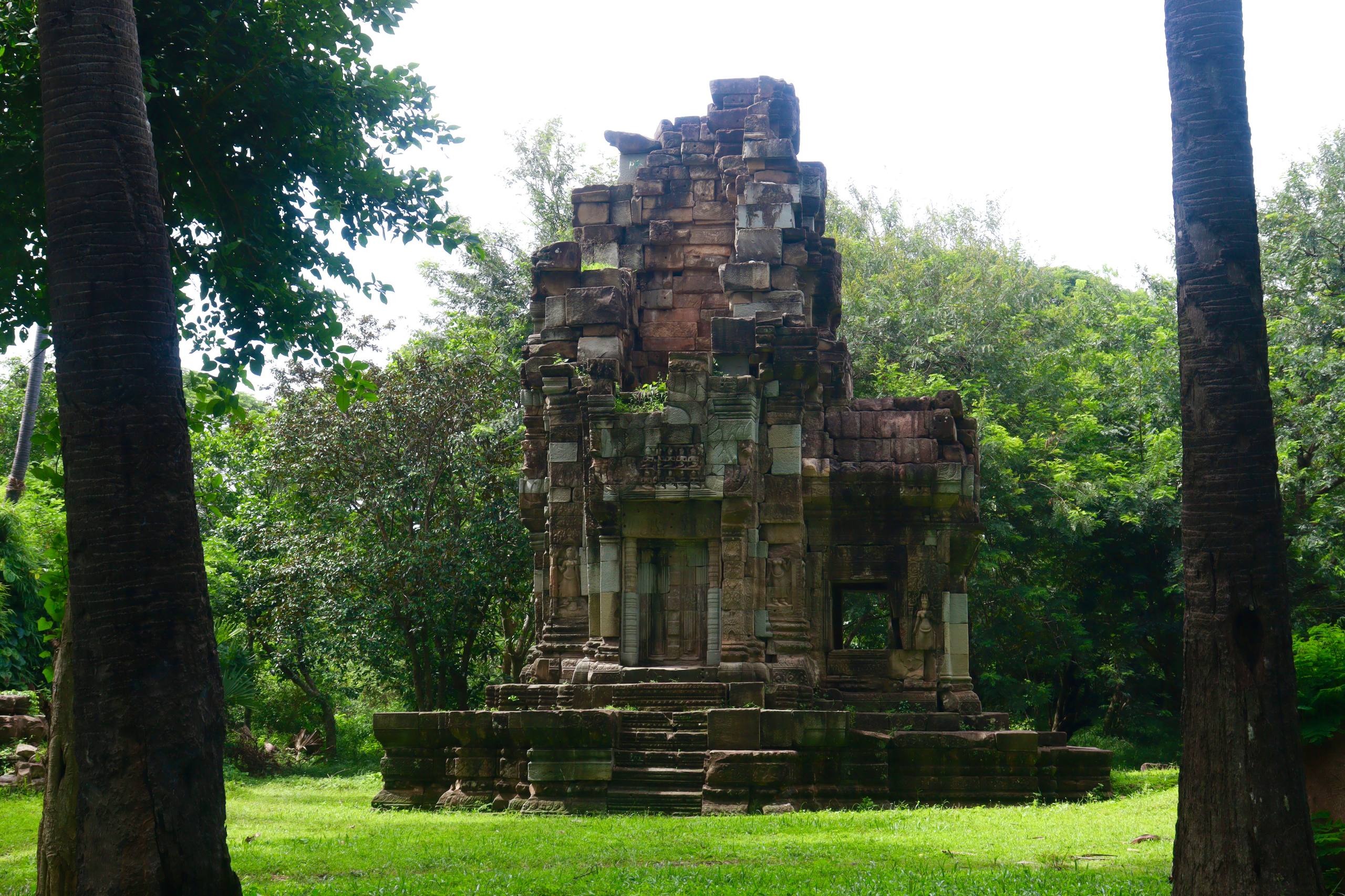
Preah Palilay also represents an important chapter in modern conservation history. French conservator Henri Marchal first cleared the temple in 1918–19, and later, Maurice Glaize restored its gopura using the technique of anastylosis in the late 1930s, helping preserve its distinct character.
What Makes Preah Palilay Special
One of the temple’s defining features is its unique religious blend. Hindu and Buddhist motifs exist side by side, making it a rare example of Angkor’s spiritual transitions carved into stone.
Equally compelling is its serene setting. Surrounded by dense woodland and far from Angkor Thom’s busier monuments, Preah Palilay feels almost meditative, ideal for visitors who prefer quiet discovery.
It also serves as a showcase of early 20th-century conservation efforts, where careful restoration preserved its authenticity without overwhelming its atmosphere.