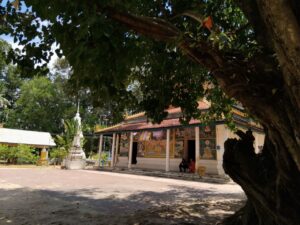
Wat Joy T’maw – Kampong Cham

Wat Joy T’maw – Kampong Cham

Wzt Joy T'maw Kampong CharmWat Joy T’maw – Serene Buddhist Temple in Kampong Cham

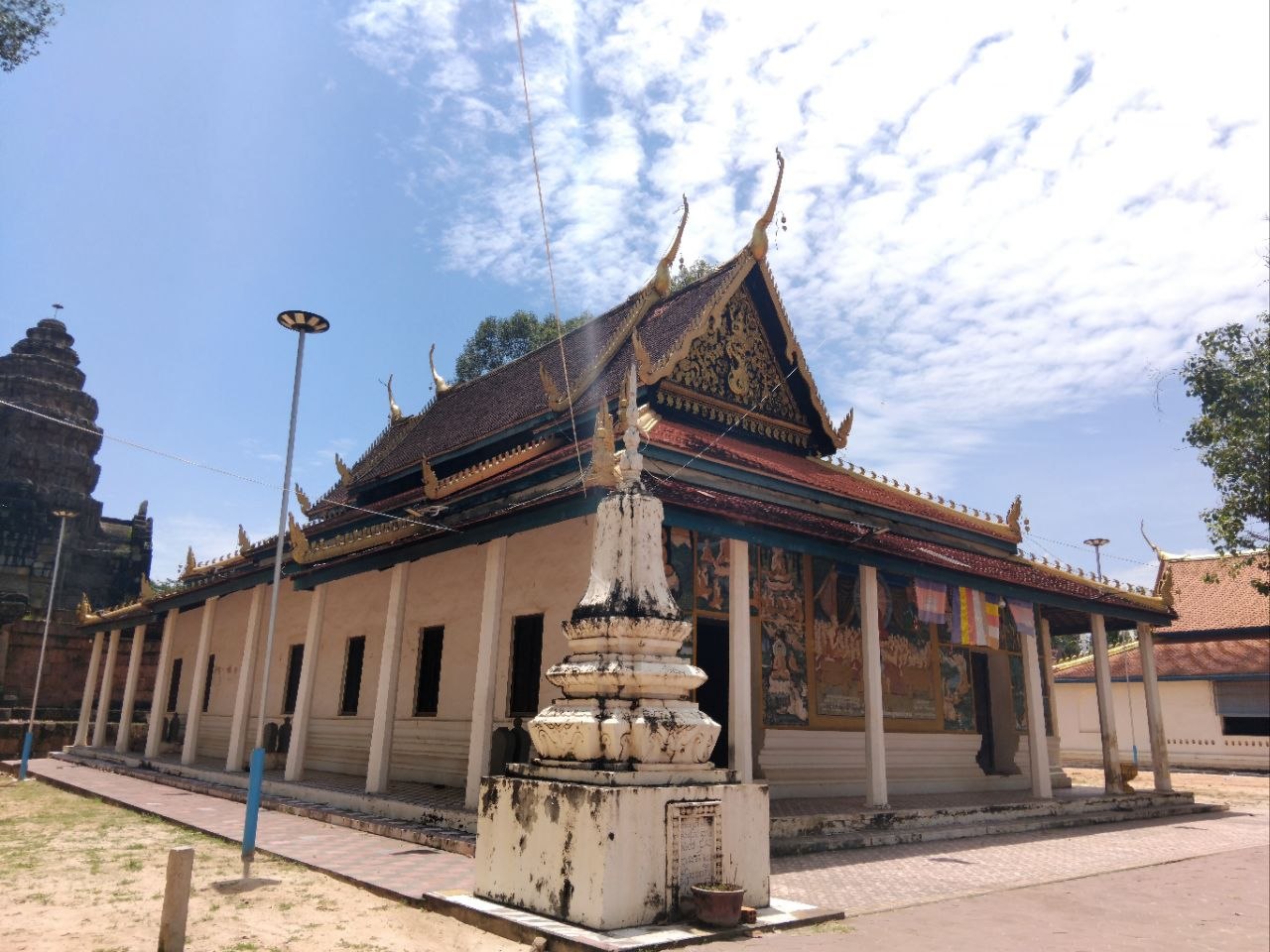
Wat Joy T’maw, located on the northern end of River Road in Kampong Cham, is one of the province’s most fascinating temples, both for its architectural beauty and its historical legacy. 

Overlooking the tranquil Mekong River, the temple offers not only a cultural experience but also a scenic retreat where visitors can pause and enjoy the riverside atmosphere.

History & Significance

Wat Joy T’maw has a complex past, marked by both spiritual importance and wartime struggles. In earlier centuries, it served as a center of Buddhist learning, where monks preserved and shared religious knowledge, helping Buddhism spread throughout Kampong Cham and beyond.

During Cambodia’s turbulent modern history, especially under the Khmer Rouge regime, the temple suffered heavily. It was closed for long periods and used as a hiding place for local people during the wars. Despite this dark chapter, Wat Joy T’maw endured, and today it stands as a reminder of resilience and renewal, welcoming visitors once again.

Architecture & Art

Wat Joy T’maw is celebrated for capturing the essence of Angkor-style architecture. Its sculptural details and artistic elements reveal the skill and creativity of Khmer artisans. Intricate carvings and patterns showcase fine craftsmanship that echoes the glory of Angkor temples. Inside, elaborate wall paintings illustrate profound themes such as life, death, and the afterlife, offering visitors insight into Buddhist cosmology and philosophy.

The temple’s location by the Mekong River enhances its beauty, creating a setting where art, religion, and nature harmonize. This unique combination makes it both a spiritual sanctuary and an aesthetic treasure.

Cultural Experience

For locals, Wat Joy T’maw represents survival and the continuity of faith despite Cambodia’s difficult past. It is a living monument that ties together spirituality, history, and community. For visitors, it provides a space to reflect on the resilience of Cambodian culture while appreciating Khmer religious art at its finest.

After exploring the temple, many travelers take time to sit by the Mekong River, enjoying a peaceful picnic and soaking in the serene atmosphere. This blend of cultural discovery and riverside relaxation makes Wat Joy T’maw a deeply memorable stop in Kampong Cham.
Other Attractions

Phnom Han Chey – Kampong Cham

Phnom Han Chey – Kampong Cham

Phnom Han Chey – Scenic Hill and Cultural Landmark
Han Chey Mountain, officially known as Chey Kiri Mountain, is one of the most significant historical and cultural sites in Kampong Cham province. 

Rising on the northern banks of the Mekong River, about 20 kilometers from Kampong Cham city, this mountain combines breathtaking scenery, ancient temples, and vibrant religious traditions, making it a destination of both spiritual and cultural value.

History & Significance

Han Chey Mountain is steeped in history, with structures dating back as early as the 7th century, during the pre-Angkorian era. It has long been a sacred site for worshippers, blending elements of Hinduism and Buddhism across different periods of Cambodian history.

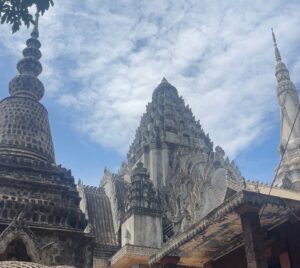
The mountain is home to ancient prasats (sanctuaries) built of solid brick and sandstone. Among them, Prasat Neang Khmao at the mountain’s base is particularly well known, featuring a square structure made of stone. 

On the summit, a rare sandstone cellar with finely carved details provides insight into early Khmer religious art. Notably, the carvings include two depictions of reclining Vishnu that do not feature his typical serpent couch, Ananta, making this site especially intriguing to historians.

Over the centuries, Han Chey evolved into both a place of devotion and a gathering space for community celebrations. Festivals such as P’chum Ben continue to attract large numbers of pilgrims and locals, reinforcing its role as a living cultural landmark.

Architecture & Artistic Features

Han Chey presents a fascinating blend of ancient and modern religious architecture. The brick and sandstone temples, each about seven square meters in size, display the ingenuity of early Khmer builders. The square sandstone cellar features intricate carvings, medallions, and friezes of animals, along with miniature “flying palace” motifs similar to those at Sambor Prei Kuk.

In contrast, more recent structures such as a modern vihara (assembly hall), colorful stupas, and a concrete stupa-like pinnacle rising above the ancient cellar highlight the continuity of spiritual practice. Together, these monuments reflect both Cambodia’s layered history and its enduring faith.

Natural Beauty & Atmosphere

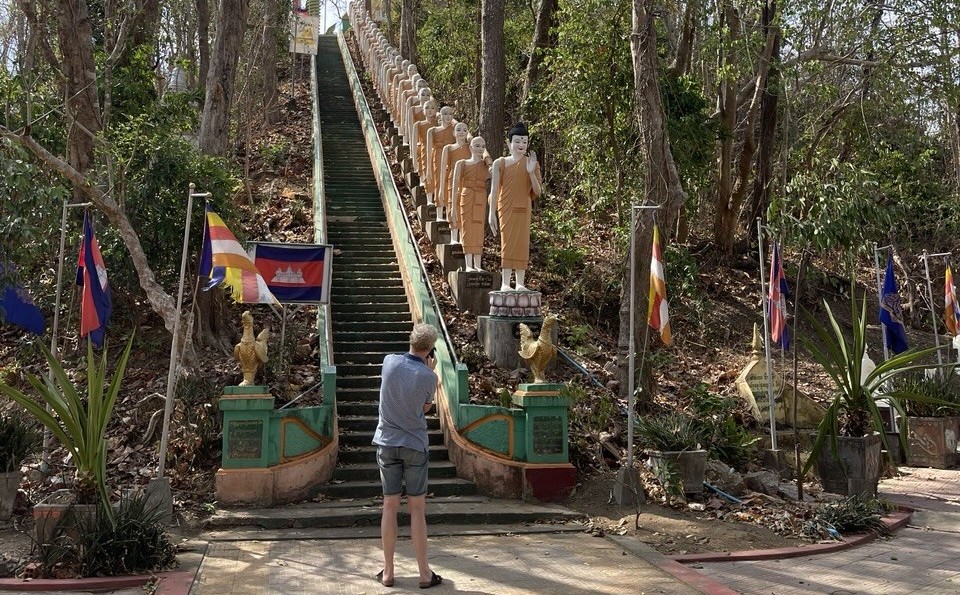
Reaching the summit of Han Chey involves climbing 295 steps, a journey that is both physically engaging and spiritually uplifting. For those who prefer an easier route, drivable paths also lead to the top. From the mountain’s peak, visitors are rewarded with sweeping views of the Mekong River, surrounding countryside, and the nearby Pen Island, a popular site for festivals.

During major celebrations such as Khmer New Year and P’chum Ben, the mountain comes alive with music, rituals, and communal festivities, turning this serene site into a vibrant cultural hub.

A Place Worth Visiting

Han Chey Mountain is a destination that blends history, spirituality, art, and nature into one memorable experience. Exploring its rare pre-Angkorian carvings, including the unique depictions of Vishnu, offers a window into early Khmer culture. 

Attending its festivals reveals Cambodia’s living traditions, where faith and community remain deeply intertwined. And from its summit, the panoramic views of the Mekong and the countryside provide a moment of reflection in one of Kampong Cham’s most scenic spots.

For travelers seeking to uncover Cambodia’s treasures beyond Angkor, Han Chey Mountain (Chey Kiri) stands as a must-visit site, an enduring symbol of cultural heritage and spiritual devotion.

Other Attractions

Man-Made Teuk Chhar Resort – Kampong Cham

Man-Made Teuk Chhar Resort – Kampong Cham

Man-Made Teuk Chhar Resort – Relaxation and Recreation
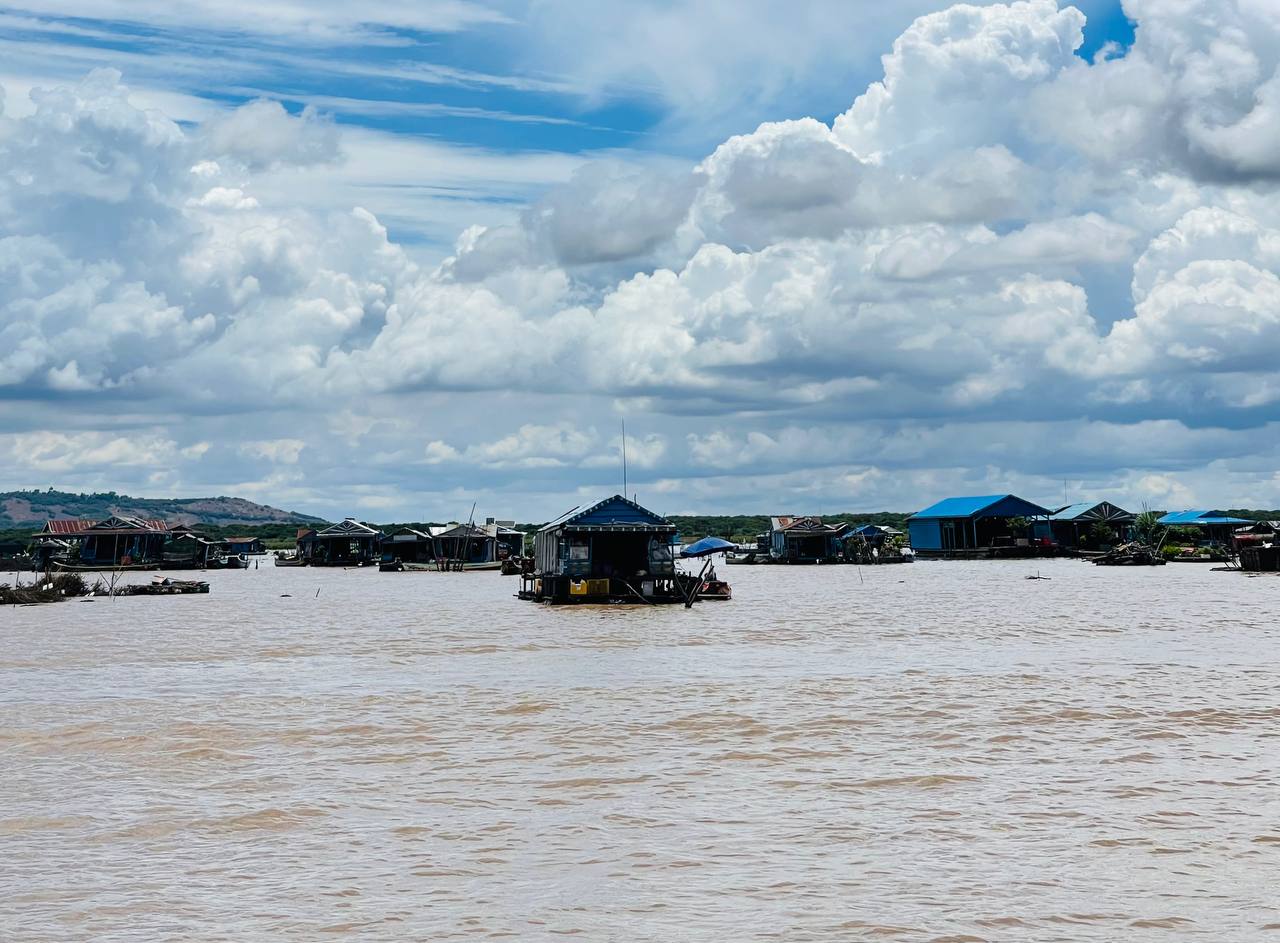
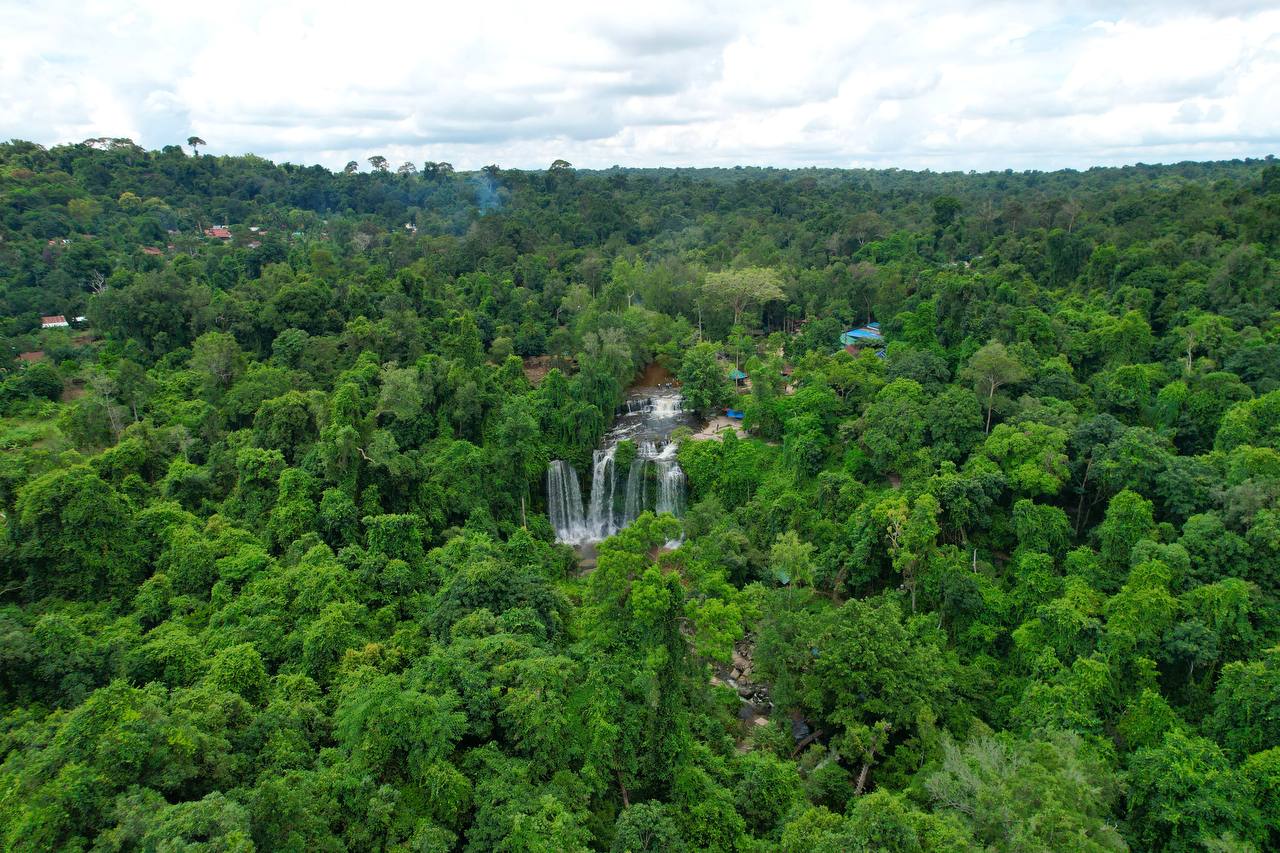
Next to the ancient temple complex lies the Teuk Chha Canal, a year-round waterway that serves as both a vital agricultural resource and a natural retreat. 

Its clear, flowing waters, cool climate, and shaded surroundings have long attracted locals and visitors seeking relaxation, leisure, and connection with nature.

Historical & Engineering Significance

The canal originates in the mountains of northeastern Cambodia, where natural streams feed its flow. For centuries, it has sustained local communities by providing water for daily use and farming. 

Over time, a dam was constructed to harness its waters for irrigation, transforming the surrounding plains into fertile farmland. Today, Teuk Chha irrigates thousands of hectares of rice fields across Prey Chhor District in Kampong Cham and Baray District in Kampong Thom. 

Managed by the Ministry of Agriculture, the system illustrates how ancient waterways have been adapted with modern engineering to ensure sustainable agriculture and community livelihood.

Natural Beauty & Visitor Experience

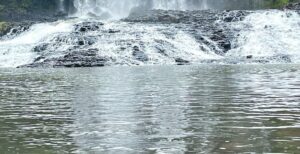
Teuk Chha stretches over 3 square kilometers and reaches depths of more than 2 meters, dividing into three main channels. One channel flows daily, producing a waterfall-like sound that adds to the canal’s natural charm. A second is opened during festivals, creating a softer current that enhances the celebratory atmosphere, while the third remains a natural slit, preserving the canal’s original character.

Visitors can enjoy swimming in shallow, crystal-clear areas where small fish swim upstream, or explore the deeper southern waters for a more adventurous dip. The northern pools are gentle and family-friendly, while the shade of towering trees provides a cool, relaxing space to rest. Birdsong and the sound of flowing water enrich the peaceful atmosphere, making the site both refreshing and restorative.

Cultural & Recreational Importance

Beyond its role in agriculture, Teuk Chha has become a cherished cultural and recreational destination. The combination of ancient trees, clear waters, and abundant wildlife makes it a favorite gathering place for families and communities. During festivals, the managed flows of the dam create a lively environment, drawing visitors from across nearby provinces to celebrate together.

A Place of Harmony

Teuk Chha Canal represents the perfect harmony between nature, history, and human ingenuity. Whether as a working irrigation system, a site of cultural celebration, or a refreshing natural escape, it continues to sustain both land and people while offering visitors an unforgettable experience.

Other Attractions

Kang Va Basin – Banteay Meanchey

Kang Va Basin – Banteay Meanchey

A Serene Escape from City Life

Nestled in the northwestern corner of Cambodia in Svay Chek District, Banteay Meanchey Province, Ang Teuk Kang Va is a tranquil natural reservoir often overlooked by mainstream tourism. Tucked away from crowded tourist routes, it provides a peaceful sanctuary for nature enthusiasts, families, and adventurers seeking a quiet escape. The calm waters and surrounding landscapes make it an ideal destination to unwind, reflect, and enjoy the slower pace of rural life.

Nature’s Hidden Oasis

Surrounded by lush greenery, rolling hills, and the gentle countryside, the reservoir’s crystal-clear waters shimmer under the Cambodian sun, creating a picture-perfect scene. More than just a scenic spot, Ang Teuk Kang Va is a natural haven where visitors can relax and reconnect with the outdoors. The serenity of the setting encourages mindfulness, photography, and quiet contemplation, making it a retreat for both the body and soul.

Activities & Things to Do

Visitors to Ang Teuk Kang Va can enjoy a variety of activities that make the most of its peaceful environment. Quiet picnics on the grassy banks, leisurely boat rides across the shimmering water, and gentle strolls along the shoreline offer opportunities for relaxation and exploration. Birdwatchers and nature photographers will find plenty to capture, while families and groups can enjoy games, swimming, or simply soaking in the calm ambiance. Each visit allows travelers to immerse themselves fully in the tranquil beauty of the area.

Exploring the Surroundings

Easily accessible by local roads, the reservoir can be enjoyed as part of a day trip from nearby towns. Pairing a visit with excursions to surrounding villages adds a cultural dimension, allowing travelers to experience authentic rural Cambodian life. Observing local traditions, sampling fresh produce, or simply interacting with friendly villagers enriches the natural retreat with a sense of connection and discovery.

Other Attractions

Phnom Bak and Phnom Chen Chung – Banteay Meanchey

Phnom Bak and Phnom Chen Chung – Banteay Meanchey

phnom bak & phnom chen chungPhnom Bak & Phnom Chen Chung

Are you seeking an off-the-beaten-path travel destination in Cambodia? Look no further than Phnom Bak and Phnom Chen Chung, two stunning and culturally rich mountains in Banteay Meanchey Province. These hidden gems combine natural beauty, history, and local artistry, making them perfect for travelers eager to experience Cambodia beyond the typical tourist trail.

Where Are They?

Phnom Bak and Phnom Chen Chung are located in Se Rey Sa Phoan District, just 5 kilometers west of Banteay Meanchey’s provincial town. Thanks to their proximity to National Road No. 5, they are easily accessible, making them an ideal day trip for those staying in Sisophon or passing through the area.

What Makes Them Special?

These twin mountains stand out for their steep, wall-like rock faces that create a dramatic and unforgettable landscape. Their rugged cliffs not only inspire awe but also provide excellent photo opportunities for visitors.

At the base of the mountains lies a fascinating 10-square-meter well, plunging 12 meters deep. Beyond its geological intrigue, the well is adorned with intricately carved stone statues, adding a mystical and spiritual touch to the site. This blend of natural wonder and artistic craftsmanship makes the spot unique in Cambodia’s northern countryside.

A Blend of Nature and Culture

Visitors can take a break in the designated relaxation area near the mountain base, where the cool shade and tranquil environment provide the perfect setting to unwind. It’s a quiet retreat, ideal for families, couples, or solo travelers looking to reflect and reconnect with nature.

Adding to the cultural charm, a row of local vendors often set up near the site, selling beautifully hand-carved stone sculptures. These artisan-made pieces reflect the region’s deep cultural heritage and serve as meaningful souvenirs or gifts for travelers wanting to take home a piece of Banteay Meanchey’s artistry.

Practical Information

Phnom Bak and Phnom Chen Chung can be visited year-round. The best times are in the morning or late afternoon when the weather is cooler and the light highlights the mountains’ dramatic rock formations.

Facilities are modest, expect small stalls offering snacks and drinks, especially during weekends or festivals. Comfortable shoes are recommended for exploring the rocky paths, and visitors should bring their own water and picnic supplies if planning to stay longer. There is usually no fixed entrance fee, though donations or small purchases from local vendors are a great way to support the community.

Other Attractions

Banteay Chhmar Temple – Banteay Meanchey

Banteay Chhmar Temple – Banteay Meanchey

Banteay Chmar Temple in Banteay MeancheyBanteay Chmar – Hidden Gem of Ancient Empire
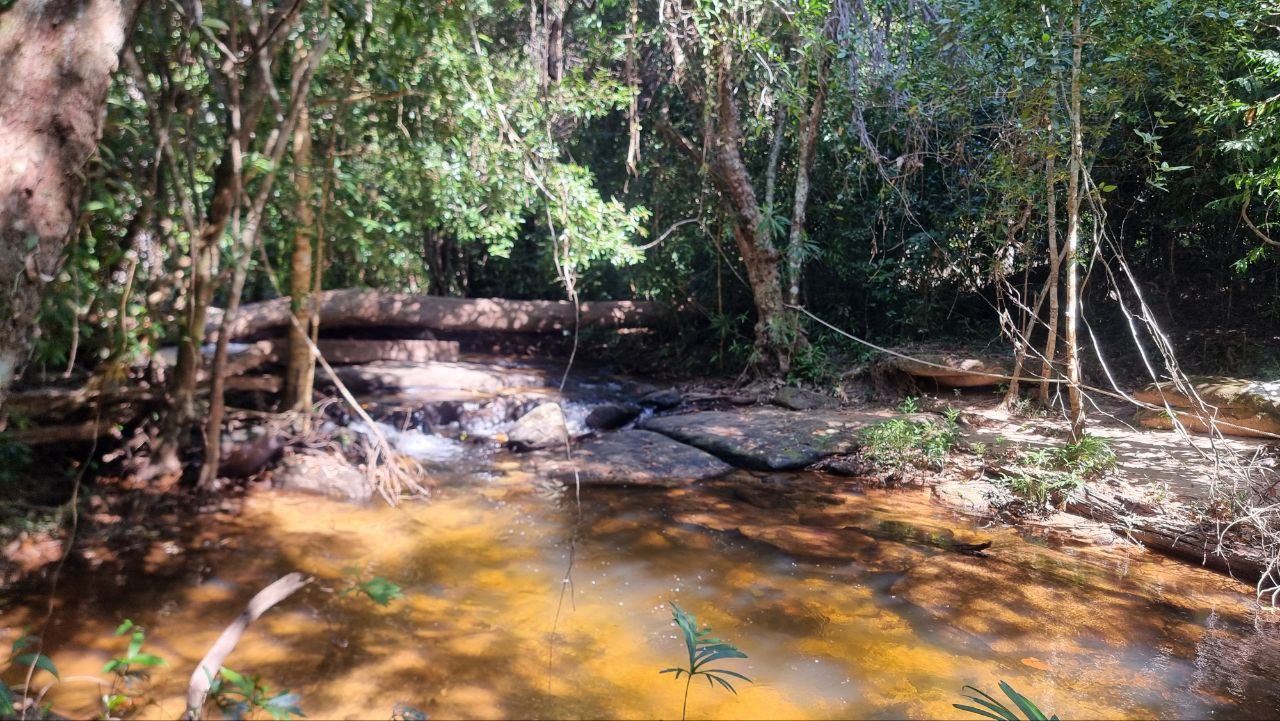
When it comes to exploring the rich history and cultural legacy of Cambodia, Banteay Chhmar Temple stands out as one of the country’s most captivating yet lesser-known heritage sites. Located in Banteay Meanchey Province, this majestic temple complex offers travelers a powerful window into the grandeur of the Khmer Empire, without the crowds of Angkor.

A Monument to Khmer Legacy

Hidden deep in the jungles of northwestern Cambodia, Banteay Chhmar is a sprawling monastic complex built in the late 12th to early 13th century. It was commissioned by King Jayavarman VII, one of the most celebrated rulers of the Khmer Empire, and is believed to have been dedicated to his son, who died heroically in battle against the Cham invaders.

The temple’s bas-reliefs vividly bring this history to life. They portray scenes of war, religious devotion, and daily life, offering a compelling narrative of Cambodia’s ancient past. These carvings are not only historical records but also artistic masterpieces that showcase the Khmer Empire’s cultural sophistication.

Architectural & Artistic Highlights

One of the temple’s most striking features is its face towers. These majestic stone towers are adorned with serene, smiling faces that closely resemble those at the Bayon Temple in Angkor Thom. Their expression of calm divinity has fascinated visitors for centuries.

Equally captivating are the bas-reliefs. These detailed carvings illustrate the Khmer-Cham conflicts, royal processions, and Buddhist iconography. Despite the temple’s largely unrestored state, many of these reliefs remain remarkably well-preserved and continue to tell powerful stories.

The jungle setting adds another layer of beauty and mystery. Moss-covered stones, sprawling tree roots, and partially collapsed walls create an adventurous atmosphere, making visitors feel like they are stepping back in time.

The scale and grandeur of the temple cannot be overlooked. Even in its semi-ruined condition, the vast layout reflects the vision and ambition of King Jayavarman VII. Exploring its many passageways and courtyards is a reminder of the immense cultural and spiritual significance the site once held.

Peaceful Setting & Accessibility

Banteay Chhmar is located about 63 kilometers north of Sisophon and around 20 kilometers from the Thai border. Its secluded location makes it a truly off-the-beaten-path destination. Unlike Angkor, visitors can often wander the temple grounds in near solitude, surrounded only by the sounds of nature.

The journey to the site is part of the experience itself. Passing through quiet villages, rice fields, and unspoiled countryside, travelers gain a deeper appreciation of Cambodia’s rural charm before even reaching the ancient ruins.

Community-Based Tourism

One of the most unique aspects of Banteay Chhmar is its community-based tourism initiative. Local villagers manage homestays, guided tours, and conservation projects, ensuring that tourism directly benefits the community while preserving the site for future generations.

Staying in a homestay offers visitors a chance to experience rural Cambodian life up close. Guests are welcomed with home-cooked meals, warm hospitality, and authentic cultural exchanges that make a visit here even more meaningful.

Practical Information

The best time to visit Banteay Chhmar is between November and February, when the weather is cooler and drier. The rainy season from May to October transforms the landscape into a lush, green setting, though travel may be more challenging.

The entrance fee is around $5 per person, with proceeds going toward community tourism projects. This not only grants access to the temple but also supports local livelihoods and conservation efforts.

Facilities at the site are basic but sufficient. Small local restaurants and shops are available, along with simple homestays for overnight stays. Visitors should bring water, wear comfortable shoes, and plan enough time to explore, as the temple grounds are vast.

Hiring a local guide is highly recommended. Their knowledge of the temple’s history, symbolism, and bas-reliefs adds depth to the experience and helps uncover stories that may otherwise go unnoticed.

Other Attractions

Laang Phnom Touch – Banteay Meanchey

Laang Phnom Touch – Banteay Meanchey

Laang Phnom TouchLa Ang Phnom Touch – Landscapes and Cultural Charm
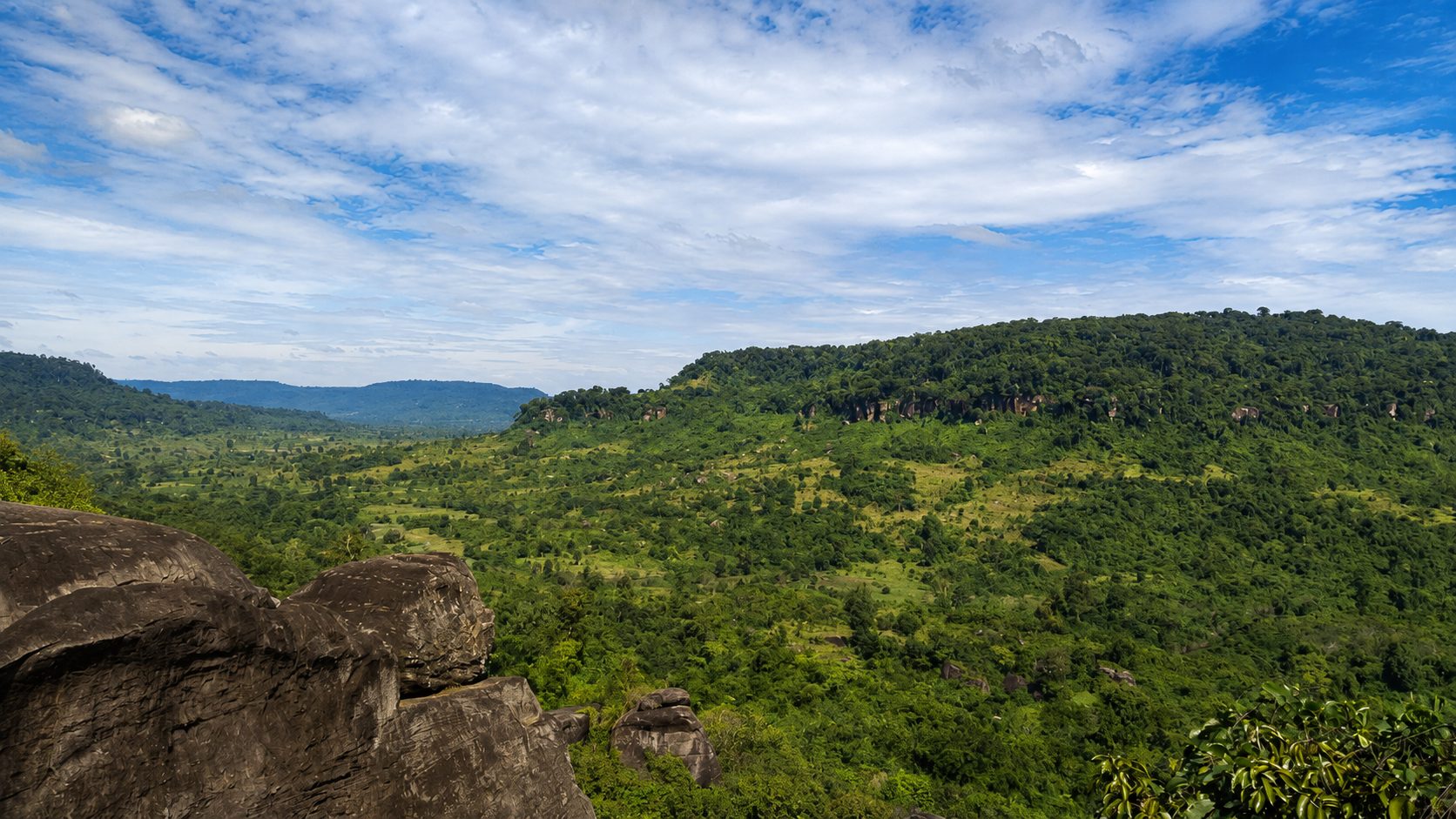
Tucked away in the scenic countryside of Banteay Meanchey Province, La Ang Phnom Touch is a mesmerizing destination that blends natural beauty, cultural heritage, and peaceful rural charm. 

This enchanting resort features two closely situated mountains adorned with colossal rock formations resembling towering stone walls, creating a dramatic and unforgettable landscape.

A Fusion of Nature and Culture

Atop these majestic peaks, newly constructed structures styled after ancient Khmer architecture crown the mountaintops. Their elegant design creates a stunning contrast between modern craftsmanship and timeless tradition. 

These culturally inspired buildings have become a highlight for local and visiting tourists, especially during festive holidays and community celebrations. Whether you come to soak in the tranquil atmosphere, hike the trails, or admire the sweeping countryside views, La Ang Phnom Touch offers a well-rounded and immersive experience.

What to Expect

Colossal rock formations dominate the site, creating rugged natural landscapes perfect for exploration and photography. The sheer scale of these stone walls makes them a breathtaking backdrop for visitors.

Khmer-style architectural structures at the summit give the site a cultural touch. These designs reflect Cambodia’s artistic heritage and provide peaceful resting spots where visitors can take in the views.

The atmosphere at La Ang Phnom Touch is calm and inviting, making it a suitable retreat for families, couples, and solo travelers alike. It’s an ideal place to slow down, breathe fresh countryside air, and enjoy moments of reflection.

During festivals and national holidays, the site comes alive with people, celebrations, and cultural activities. For those seeking a more vibrant experience, visiting during these times offers a glimpse into local traditions and community spirit.

The friendly villagers surrounding the area add to the welcoming atmosphere, proud to share their heritage and the natural beauty of their homeland.

Location and Access

La Ang Phnom Touch is located in Se Rey Sa Phoan District, along National Road No. 5, about 5 kilometers west of Banteay Meanchey’s provincial town. From the main road, a right turn of 500 meters leads directly to the site. Some sources mention it as part of Phnom Srok District, known for its rice fields and rural charm, but in either case, the location offers an easy and refreshing escape from urban life.

Practical Information

The site is open year-round, and visitors can come at any time. Mornings and late afternoons are especially pleasant, with cooler weather and softer lighting for photos. There is no fixed entrance fee, though small donations may be welcomed to support local upkeep.

Facilities are basic, with food and drink vendors often available, especially on weekends or holidays. Visitors are encouraged to bring their own water, snacks, and comfortable footwear for exploring the rocky terrain.

The best season to visit is during the cooler months from November to February, or during Khmer festivals when the area becomes lively with cultural activities.

Other Attractions

Phnom Svay – Banteay Meanchey

Phnom Svay – Banteay Meanchey

Phnom Svay in Banteay Meanchey the scenic hillPhnom Svay – Lush Landscapes and Stunning Views

Phnom Svay is a picturesque mountain located in Banteay Meanchey Province, Cambodia, celebrated for its breathtaking views, lush vegetation, and rich biodiversity. 

Nestled within a designated Nature Wildlife Preserve, it is an ideal destination for nature lovers, hikers, and adventure seekers eager to explore one of northwestern Cambodia’s hidden gems.

Location & Accessibility

Phnom Svay lies along Road No. 5, in Kortan Village, O’ Ormpel Commune, Serey Sophorn District. 

Conveniently located just a short drive from Sisophon, the provincial capital, the mountain is easy to reach by tuk-tuk, motorbike, or car. Its accessibility makes it a perfect choice for either a quick day trip or a more leisurely weekend getaway surrounded by nature.

Nature & Wildlife

The mountain is home to a wide variety of flora and fauna, providing visitors with a chance to connect with Cambodia’s natural beauty. Birdwatchers will find plenty of species to observe, while those with a passion for botany can explore the diverse plant life that thrives in this preserved ecosystem. The forested environment also offers peace and tranquility, making it an excellent escape for anyone looking to recharge in nature.

Activities & Attractions

Hiking is one of the most popular activities at Phnom Svay. Scenic trails lead adventurers through lush forest paths, eventually rewarding them with sweeping views from the mountain’s higher points.

Photography enthusiasts will enjoy capturing panoramic vistas of both the forested landscape and the surrounding countryside. The mix of dense jungle and open viewpoints makes it a photographer’s dream.

Wildlife spotting is another highlight of the preserve. Visitors may encounter different bird species, butterflies, and small forest animals, all thriving in this protected habitat.

For those seeking relaxation, Phnom Svay offers the perfect environment. The serene setting, fresh mountain air, and distance from urban noise create an ideal atmosphere for quiet reflection or simply enjoying a peaceful picnic.

Other Attractions

Banteay Torp Temple – Banteay Meanchey

Banteay Torp Temple – Banteay Meanchey

Banteay Torp temple in Banteay Meanchey ProvinceBanteay Torp Temple – Journey into Cambodia’s Past
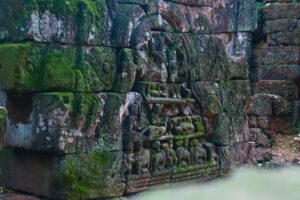
Tucked away in the quiet Thmar Puok District of Banteay Meanchey Province, Banteay Torp Temple is one of Cambodia’s lesser-known yet most captivating historical treasures. Accessible via National Road No. 59, this remarkable temple offers visitors an immersive journey into Cambodia’s ancient past, surrounded by tranquil landscapes and lush greenery.

A Glimpse into History

Dating back to the 12th and 13th centuries, Banteay Torp was built during the reign of King Jayavarman VII, one of the most celebrated rulers of the Khmer Empire. Known for his ambitious building campaigns and devotion to Mahayana Buddhism, Jayavarman VII commissioned numerous temples, hospitals, and roads across the empire. 

Banteay Torp reflects the grandeur of this era with its Bayon-style architecture, distinguished by enigmatic face carvings, jungle-clad ruins, and intricately preserved bas-reliefs that tell stories of Cambodia’s golden age.

A Tranquil and Majestic Setting

Unlike the world-famous temples of Angkor, Banteay Torp remains largely untouched by mass tourism. Its remote location, about 70 kilometers from Sisophon town, enhances the sense of discovery, making visitors feel as though they have stumbled upon a hidden sanctuary lost in time. 

The temple complex, surrounded by tropical forests and rolling countryside, offers not just historical intrigue but also peace and natural beauty. It is the perfect destination for travelers seeking solitude and authenticity far from crowded tourist corridors.

What to Expect

Visitors to Banteay Torp can expect to encounter towering sandstone structures adorned with detailed carvings that showcase the artistry of the Khmer Empire. The peaceful surroundings invite quiet reflection, meditation, or leisurely exploration. With minimal crowds, you can fully immerse yourself in the atmosphere of the site, listening to the sounds of nature blending with echoes of history.

Beyond the ruins, the surrounding area offers opportunities for nature walks, cultural exploration, and photography. The interplay between ancient stonework and the encroaching jungle creates a dreamlike setting that is particularly rewarding for photographers and history enthusiasts alike.

Other Attractions

Banteay Neang Temple – Banteay Meanchey

Banteay Neang Temple – Banteay Meanchey

Banteay Neang Temple In Banteay Meanchey ProvinceBanteay Neang Temple – Lesser-Known Cultural Treasure

Tucked away in the northwestern province of Banteay Meanchey, Banteay Neang Temple stands as a stunning testament to the artistry and architectural brilliance of the ancient Khmer civilization. Located along Road No. 69A, just 11 kilometers (about 20 minutes) from the provincial town, this lesser-known temple offers a rich and immersive experience for travelers eager to explore Cambodia’s cultural heart beyond Angkor.

An Architectural Marvel

Banteay Neang Temple captivates visitors with its intricate stone carvings, towering laterite and sandstone structures, and timeless sense of grandeur. The temple’s delicate bas-reliefs and elegant layout showcase the remarkable craftsmanship of the Khmer Empire, telling silent stories of devotion, artistry, and empire-building. 

Walking among the ruins, one can feel the weight of history and the spiritual aura that still lingers in the stones. Set against the peaceful backdrop of Banteay Chhmar Village, the temple invites both exploration and quiet reflection. The combination of its historical significance and natural surroundings creates a travel experience that is not only educational but also deeply meditative.

A Journey Off the Beaten Path

Unlike Cambodia’s more famous Angkorian landmarks, Banteay Neang remains largely untouched by mass tourism. This allows visitors to wander the site in peace, free from the crowds, and truly absorb the majesty of Khmer architecture. For those seeking authenticity and tranquility, the temple offers a rare chance to experience the grandeur of ancient Cambodia in a serene, almost private setting.

The surrounding region adds to the charm. Lush countryside landscapes stretch out in every direction, and nearby villages provide glimpses into traditional Cambodian rural life. Banteay Neang also sits within reach of other important heritage sites, such as the vast and powerful Banteay Chhmar Temple complex, making it a rewarding addition to any cultural itinerary.

How to Get There

The temple is situated in Banteay Chhmar Commune, Thmar Puok District, and is easily accessible by tuk-tuk or motorbike from Sisophon, the provincial capital. The short journey, lasting around 20–30 minutes, takes travelers through picturesque rice paddies and quiet rural communities. This scenic route is part of the adventure, offering a deeper connection to the rhythms of daily life in the Cambodian countryside.

Other Attractions

Book a Tour WhatsApp