Baset Temple – Battambang

Baset Temple – Battambang

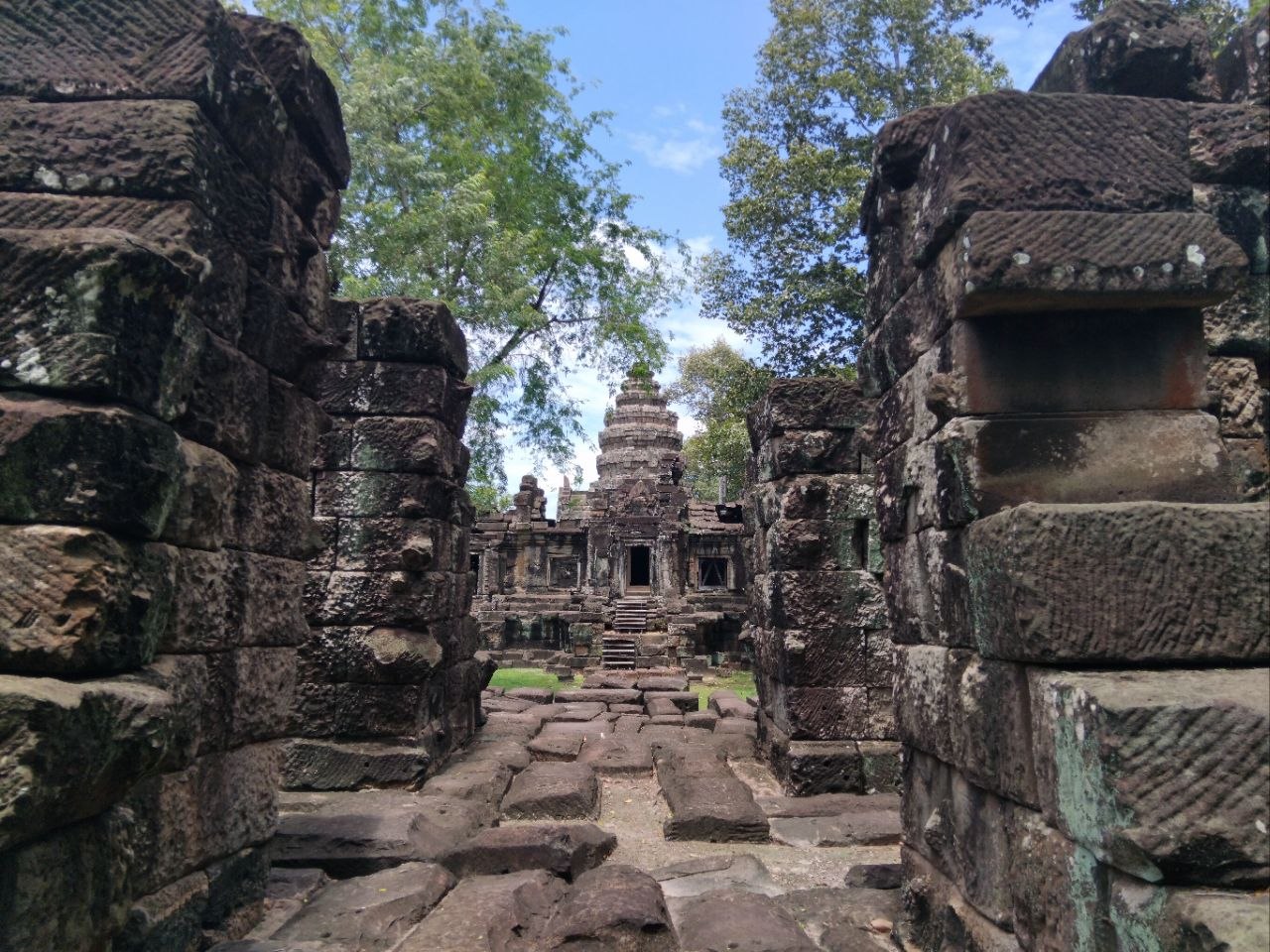
Baset Temple BattambangBarsaet Temple – A Hidden Angkorian Gem in Battambang

Located in Barsaet Village, Tapoan Commune, Sangker District, about 15 kilometers east of Battambang town, Barsaet Temple is a modest yet historically significant remnant of Cambodia’s Angkorian era. 

Though much of the structure has been lost to time, the temple and its ancient pond offer visitors a reflective glimpse into the spiritual and architectural legacy of the Khmer Empire.

Historical Background

Located in Barsaet Village, Tapoan Commune, Sangker District, about 15 kilometers east of Battambang town, Barsaet Temple is a modest yet historically significant remnant of Cambodia’s Angkorian era. Though much of the structure has been lost to time, the temple and its ancient pond offer visitors a reflective glimpse into the spiritual and architectural legacy of the Khmer Empire.

What Remains Today

Although much of Barsaet Temple has eroded, a single stone doorway still stands, a quiet yet powerful symbol of its past grandeur. The weathered ruins may appear simple compared to Angkor’s more famous monuments, but they carry a profound atmosphere of silence and timelessness. Visitors often find themselves lingering in quiet reflection, surrounded by the remnants of a civilization that left its mark in stone.

The Ancient Pond

Beside the ruins lies a remarkable man-made pond, approximately 20 meters long, 12 meters wide, and 10 meters deep. Despite its age, the pond still retains water throughout the year, a testament to the Khmer Empire’s mastery of hydraulic engineering. Such ponds, known as baray, served both practical and spiritual functions, sustaining local life while also playing an important role in temple rituals and religious symbolism.

Other Attractions

Golden Buddha Hill – Battambang

Golden Buddha Hill – Battambang

Golden BuddhaGolden Buddha Hill (Along the Road to Sisophon)
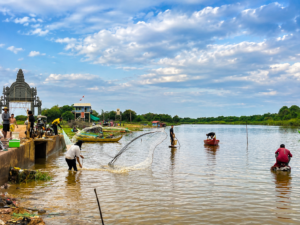
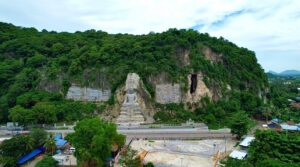
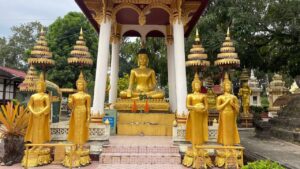
Located about 60 kilometers from Battambang city along the road to Sisophon, Golden Buddha Hill is a striking roadside attraction marked by a large golden Buddha statue perched high on a hill. 

The gleaming figure is visible from a distance and serves as a cultural symbol for travelers passing through the area.

Unlike traditional pagodas, Golden Buddha Hill does not feature inner sanctuaries or host regular rituals. 

It is primarily a visual landmark rather than a functioning temple complex, but its size and placement make it an impressive sight on the journey between Battambang and Sisophon.

Golden Buddha Hill is often visited as part of a combined trip with nearby destinations such as Phnom Sampeau or Pak Oa. While the stop is usually brief, the statue’s commanding presence against the rural backdrop leaves a memorable impression on visitors.

Phnom Sampeau – A Hill of Spiritual Significance and History

Closer to Battambang city, Phnom Sampeau is one of the province’s most iconic natural and cultural sites. Rising dramatically from the flat plains, this limestone hill is crowned with temples, shrines, and sculptures. Among its highlights is a massive golden reclining Buddha statue housed within a cave, symbolizing the site’s enduring spiritual importance.

Phnom Sampeau is also a place of remembrance. During the Khmer Rouge regime, its caves were used as execution sites, now memorialized as the “killing caves.” These haunting spaces preserve the memory of thousands of victims and serve as powerful reminders of Cambodia’s tragic history.

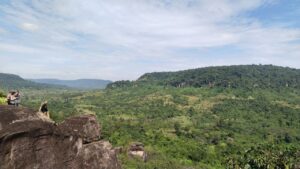
Beyond its spiritual and historical weight, Phnom Sampeau offers panoramic views across the countryside. From the summit, visitors can look out over endless rice fields, scattered villages, and the distant outline of Battambang city. The view is especially captivating at sunset, when the landscape glows in golden hues.

Nature adds yet another layer of wonder. Each evening, millions of bats pour out from a cave on the northern side of the cliff, creating a spectacular display as they weave into the sky in unison. This daily bat exodus is one of Battambang’s most remarkable natural phenomena.

Phnom Sampeau also retains traces of more recent conflicts. Remnants of World War II artillery and Khmer Rouge weaponry can still be seen on the hill, offering a stark link to the region’s turbulent past.

With its blend of natural beauty, Buddhist heritage, tragic history, and unforgettable spectacles, Phnom Sampeau is a must-visit destination for travelers seeking to understand the cultural and historical layers of Battambang.

Other Attractions

Banteay Sat – Battambang

Banteay Sat – Battambang

Banteay Sat Battambang Battambang & Banteay Sat

Battambang, the cultural heart of northwestern Cambodia, is a city of tranquil charm and understated beauty. Nestled along the gently winding Sangker River, it blends French colonial architecture, Khmer heritage, and a relaxed pace of life that appeals to travelers seeking authenticity beyond the bustle of Phnom Penh or Siem Reap. 

Graceful bridges, leafy riverbanks, and colonial-era buildings frame the city’s historic core, while vibrant markets, temples, and art spaces reveal Battambang’s rich cultural fabric. For many, it is both a place to slow down and a springboard to rural adventures.

Banteay Sat – A Hidden Historical Site

Located in Koh Village, Kaoh Chiveang Commune, Aek Phnom District, about 105 kilometers or roughly a two-hour drive from Battambang city, Banteay Sat is a lesser-known but historically rich site. 

Though modest compared to the monumental temples of Angkor, it preserves a layered local history and offers an authentic glimpse into Cambodia’s past. Its ruins, surrounded by rice paddies and fishing villages, are infused with the quiet dignity of rural life and centuries of tradition.

Experience & Atmosphere

In Battambang city, the highlights are centered on cultural exploration and creative expression. Visitors can take leisurely riverside walks, explore the bustling Psar Nat Market, admire the city’s colonial-era architecture, and discover its thriving art scene. Battambang has long been regarded as one of Cambodia’s most artistic hubs, where traditional heritage and modern creativity come together.

At Banteay Sat, the experience is more serene and contemplative. Wandering among the ruins provides an intimate connection with history, while the surrounding countryside adds an atmosphere of tranquility. The rice fields, local fishing communities, and rustic landscapes make this site especially rewarding for travelers seeking quiet reflection away from the busier tourist routes.

Other Attractions

Phnom Sampeau – Battambang

Phnom Sampeau – Battambang

Phnom Sampeu in BattambangPhnom Sampeau – Hilltop Views, Sacred Caves & History
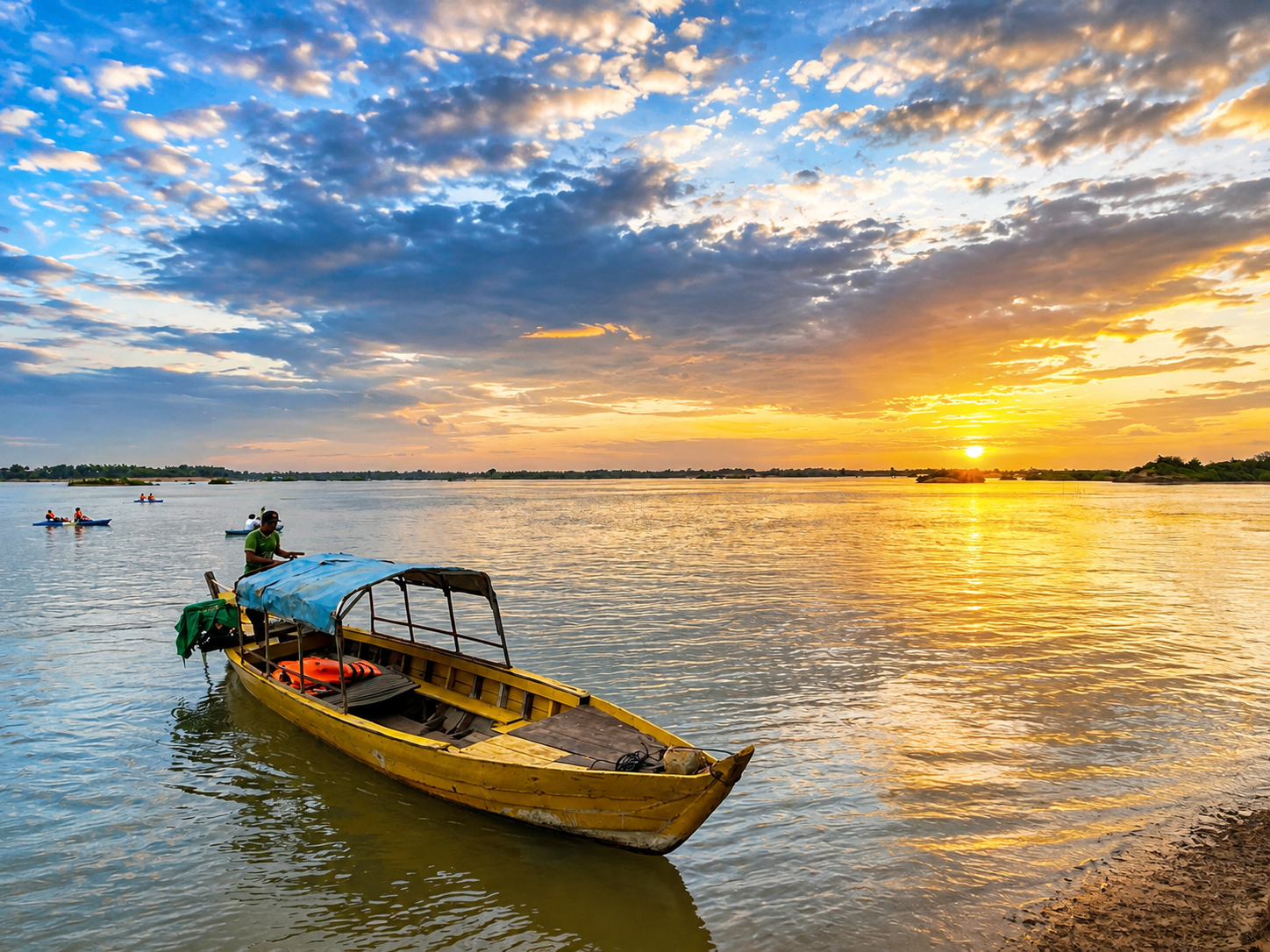
Located about 12 kilometers southwest of Battambang city, along the road to Pailin, Phnom Sampeau (also spelled Phnom Sampov) is a striking limestone hill that blends natural beauty, sacred spirituality, and haunting history. Rising above the rice fields, it is home to temples, shrines, and caves, while also serving as one of Cambodia’s infamous Killing Fields during the Khmer Rouge era.

Historical Significance – The Killing Caves

Within Phnom Sampeau lie the Killing Caves, a tragic reminder of Cambodia’s darkest chapter. During the Khmer Rouge regime, countless victims were executed here, their bodies cast into the cavern below. Today, a glass memorial shrine containing skulls and bones honors those who perished.

Walking the path to the caves, visitors pass Buddhist shrines and sculptures, creating a striking contrast between the horrors of war and the enduring spirit of peace. It is an emotional and reflective experience that connects deeply with Cambodia’s collective memory.

Natural Features & Experience

From the summit of Phnom Sampeau, panoramic views stretch across the Battambang countryside, where rice paddies, villages, and distant mountains glow beautifully at sunrise or sunset. The hilltop also hosts sacred temples and pagodas that remain active places of worship, adding a layer of serenity to the site.

One of Phnom Sampeau’s most famous spectacles is the bat flight at dusk. Each evening, thousands of bats stream out of the caves in swirling black ribbons across the golden sky, a natural show that lasts 30–45 minutes and leaves visitors spellbound.

Activities at Phnom Sampeau

Exploring Phnom Sampeau offers a blend of history, culture, and nature. Many visitors come to reflect at the memorial caves and learn about Cambodia’s tragic past. Others climb the hill to discover Buddhist temples and shrines while enjoying the sweeping views that make the climb worthwhile.

The bat exodus at sunset is a highlight for nature lovers and photographers alike. A countryside ride to or from the site adds another layer of experience, with scenes of lush rice fields, stilted houses, and daily village life unfolding along the way.

Best Time to Visit Phnom Sampeau

The early morning offers soft light, cooler temperatures, and quieter conditions for climbing the hill and exploring the shrines. Late afternoon is ideal for those who wish to witness both the golden hues of sunset and the dramatic bat flight that begins at dusk.

Other Attractions

Komping Puoy Lake – Battambang

Komping Puoy Lake – Battambang

Kratie Mekong RiverKamping Puoy Lake – A Reservoir of a Haunting Past

Nestled between two scenic hills about 36 kilometers southwest of Battambang, Kamping Puoy Lake (Boeng Kamping Puoy) is both a beloved retreat and a place of solemn remembrance. 

This vast reservoir, framed by lush greenery, offers picnic spots, swimming, fishing, and boat rides, making it a favorite weekend escape for families and a peaceful stop for travelers seeking nature and quiet reflection.

History and Tragedy

Beneath the lake’s calm surface lies a painful past. Kamping Puoy was created during the Khmer Rouge regime as part of one of its most ambitious irrigation projects, an 8-kilometer-long dam built entirely by hand.

The construction came at an unimaginable cost. An estimated 10,000 Cambodians perished from exhaustion, starvation, disease, or execution during the project. 

While no formal monument marks the site, the functioning reservoir itself serves as a living memorial, today irrigating rice fields and sustaining nearby communities, a bittersweet legacy of resilience born from tragedy.

Natural Features & Experience

The lake stretches between two forested hills, creating a serene and dramatic backdrop for relaxation and photography. The still waters reflect the greenery and sky, making it an especially peaceful spot at sunrise and sunset.

Kamping Puoy is also a rewarding place for birdwatchers. Herons, egrets, pygmy cotton geese, whistling ducks, and lily trotters are among the many species that thrive here, turning the lake into a haven for nature enthusiasts.

Adding to its beauty, seasonal water lilies and lotus flowers bloom across the lake’s surface. Their bright colors stand in vivid contrast to the calm waters, creating a tranquil and picturesque setting.

Activities Kamping Puoy Lake

Visitors often enjoy relaxing under shaded huts along the lakeshore. These simple shelters provide the perfect spot for a picnic, where travelers can bring their own food or purchase local snacks from vendors nearby.

For those who prefer the water, swimming is a refreshing way to cool off. Small boats are also available for rent, allowing visitors to glide across the lake and admire the surrounding scenery from a new perspective.

Fishing is another popular activity, especially among locals. Travelers can join in or simply watch as people cast their lines, experiencing the slow rhythm of daily life by the water’s edge.

A countryside ride to or from the lake is part of the charm. The route winds through Battambang’s rice fields and quiet villages, and many travelers combine the trip with a visit to nearby Phnom Sampeau for a full day of exploration.

Other Attractions

Bamboo Train Rides (Norry) – Battambang

Bamboo Train Rides (Norry) – Battambang

The Bamboo Train (Norry) – Battambang’s Quirky Ride

A ride on the Bamboo Train, locally known as the Norry, is one of the most quirky and unforgettable experiences in Battambang. More than just a novelty, it represents a fascinating story of Cambodian ingenuity, transforming the country’s damaged railway system into a resourceful means of transport.

What Is the Bamboo Train?

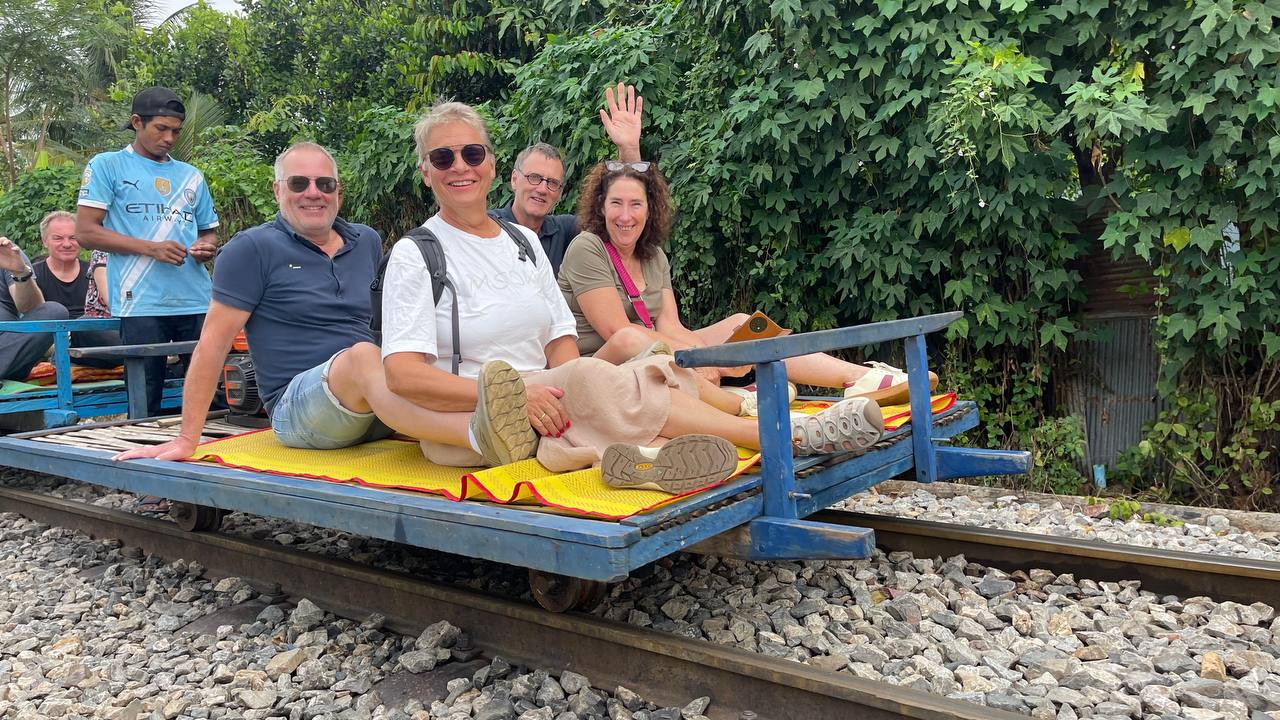
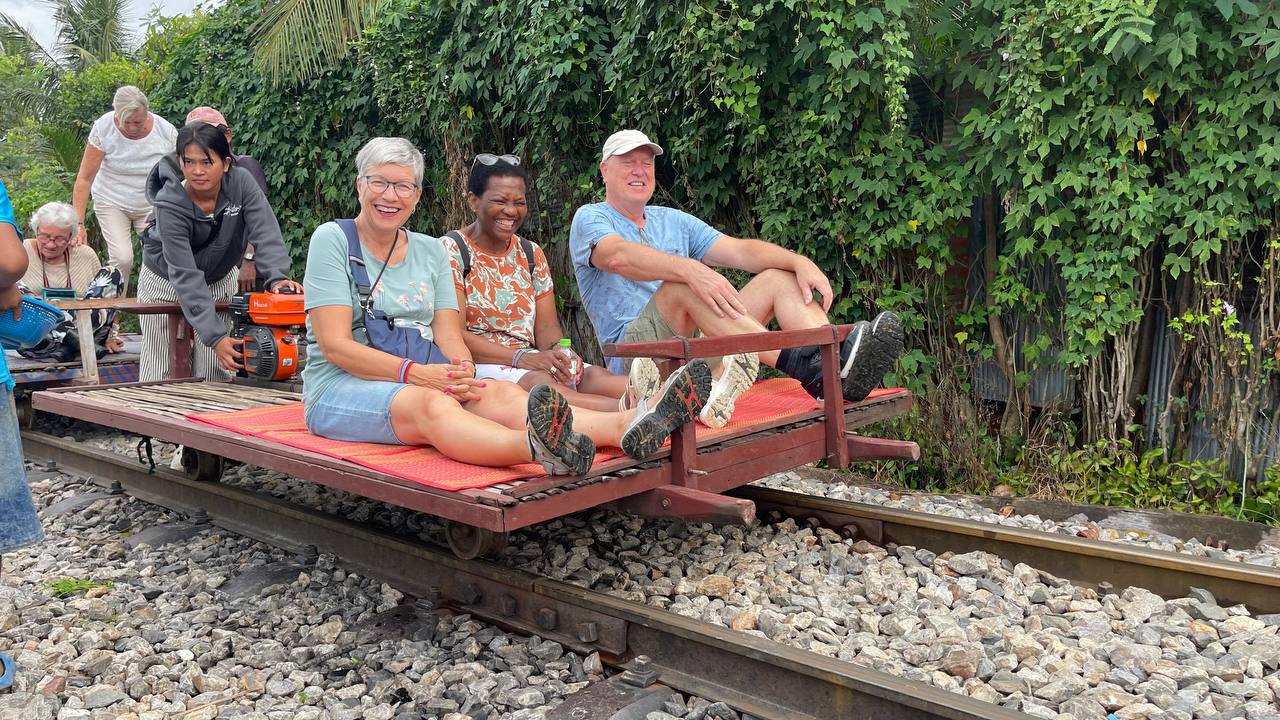
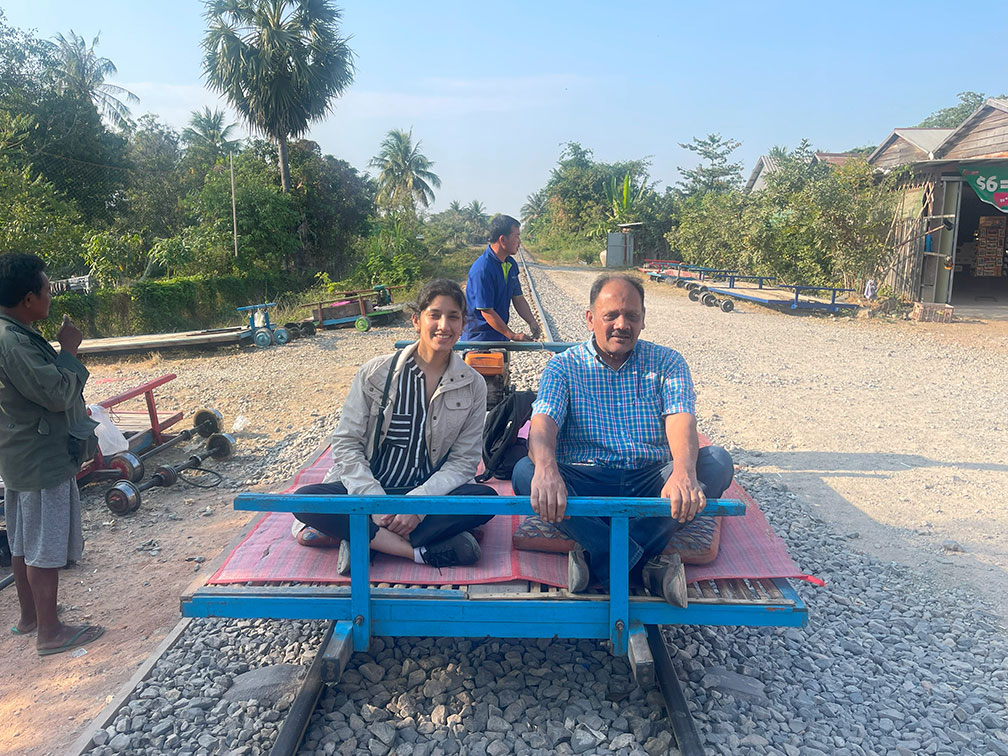
The Norry is essentially a flat bamboo platform mounted on two axles with wheels, often repurposed from wartime vehicles, and powered by a small gasoline engine. There are no seats or carriages. Instead, passengers sit cross-legged on the bamboo deck, sometimes sharing the space with motorbikes, rice sacks, or even livestock.

This stripped-down yet practical design made it possible to travel along Cambodia’s neglected railway lines. Long before it became a favorite attraction for visitors, it served as a vital lifeline for local communities, helping them move people, goods, and supplies efficiently.

History of Bamboo Train

The Bamboo Train first emerged after the fall of the Khmer Rouge, during a period when formal train services were scarce and unreliable, often running just once a week. Locals, driven by necessity, improvised with makeshift bamboo trains to maintain connections across the countryside.

One of the most remarkable aspects of the Norry was its cooperative system of travel. When two bamboo trains met on the single-track line, the lighter one would be quickly disassembled and lifted off the rails within seconds, allowing the other to pass. This simple yet ingenious solution highlighted the adaptability and teamwork of rural Cambodians.

Today, the original railway line has been replaced to make way for Cambodia’s revived train system. However, a tourist version of the Norry still operates just outside Battambang, ensuring this unique slice of history and culture continues to be experienced by visitors from around the world.

Experience the Ride

Riding the Bamboo Train is a thrilling and scenic adventure. The platform glides at surprising speed through stretches of rice paddies, rural villages, and open countryside, offering unobstructed views of Battambang’s landscapes.

The experience is fun and interactive, with the rhythmic clatter of the tracks, the rush of warm breeze, and the playful process of disassembling when two trains meet. Each ride feels spontaneous and full of character, adding to its charm.

Beyond the excitement, the Norry also provides cultural insight. It is not just about the ride itself, but about witnessing an invention born from necessity, now celebrated as a symbol of Cambodian resilience and creativity.

Other Attractions

Sek Sork the Natural Resort – Battambang

Sek Sork the Natural Resort – Battambang

Cheung Krouch in Banteay Meanchey ProvinceExploring Sek Sork – Lush Riverside Retreat Near Battambang
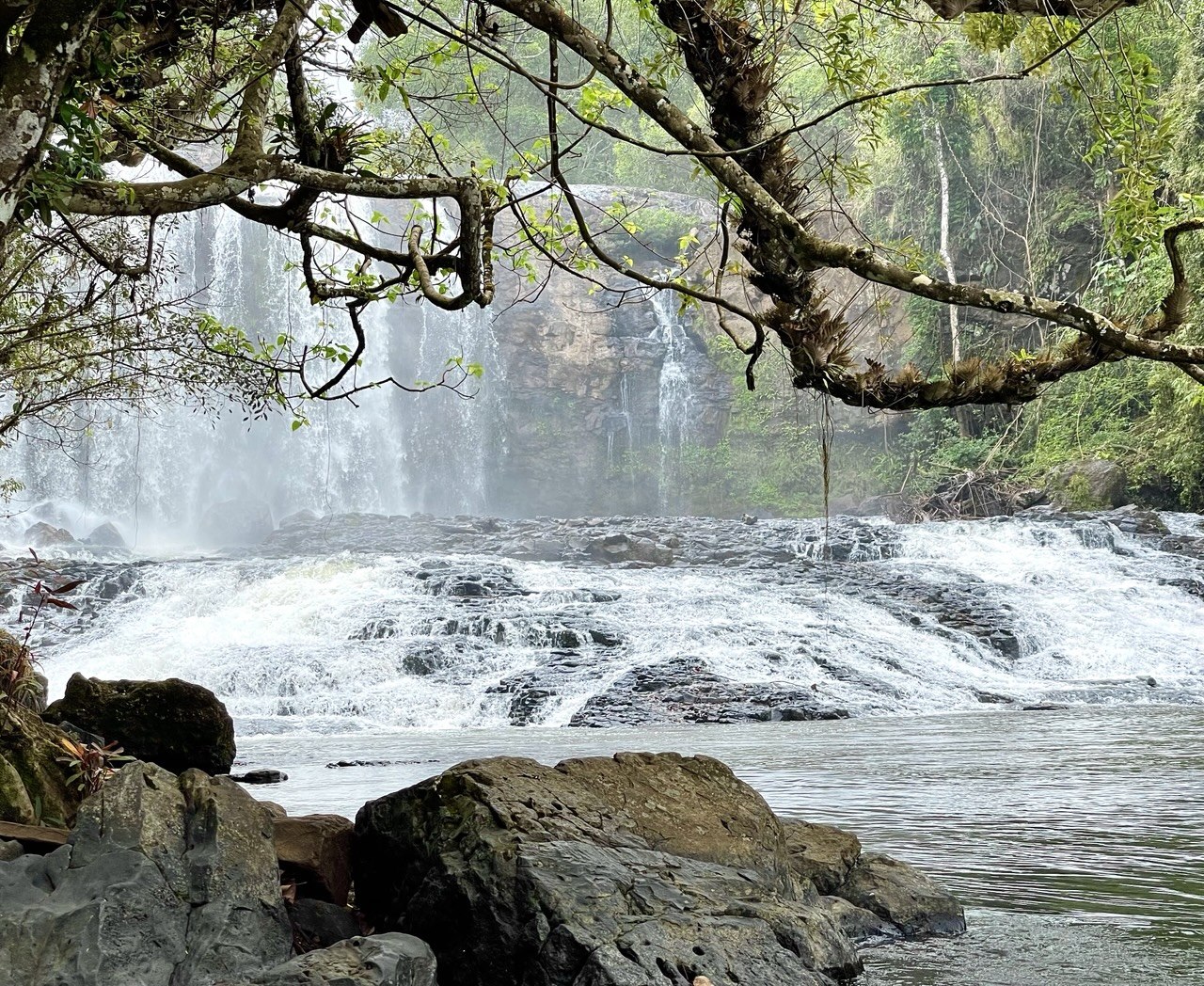
Located about 50 kilometers southwest of Battambang city, in Treng Commune, Rotanak Mondul District, Sek Sork, also known as Sek Sak Resort is a beloved natural getaway nestled along the banks of a tranquil river. 

This lush riverside retreat has been a popular destination since before the Cambodian civil war, and it continues to attract nature lovers seeking peace, greenery, and fresh air.

A Scenic Paradise

Stretching approximately 500 meters along the river, Sek Sork is framed by dense bamboo groves, tall trees, and rich vegetation, creating a naturally shaded, picturesque environment. 

The serene flow of the river, combined with the rustling of leaves and the chirping of birds, offers a soothing atmosphere perfect for relaxing picnics, gentle walks, or simply enjoying the unspoiled beauty of nature.

Nearby Attractions

In addition to Sek Sork itself, visitors can explore other fascinating sites in the area, including Pich Chenda Dangtung Water Bubble, a natural spring known for its bubbling water source. Laang Spean Andet, a historical and archaeological site, offering insights into the area’s ancient past.

How to Get There

Sek Sork is accessible via National Road No. 57 (formerly National Road No. 10). The journey from Battambang town takes around 1.5 hours by car or tuk-tuk, passing through scenic countryside landscapes.

Other Attractions

Pich Chenda Waterfall – Battambang

Pich Chenda Waterfall – Battambang

Pailin Tourist attractions, Phnom Kuy waterfallLocated in Rattanak Mondul District, not far from other natural attractions like Sek Sak Resort and Dang Tung, the Pich Chenda Waterfall is one of Battambang’s most scenic and refreshing destinations. 
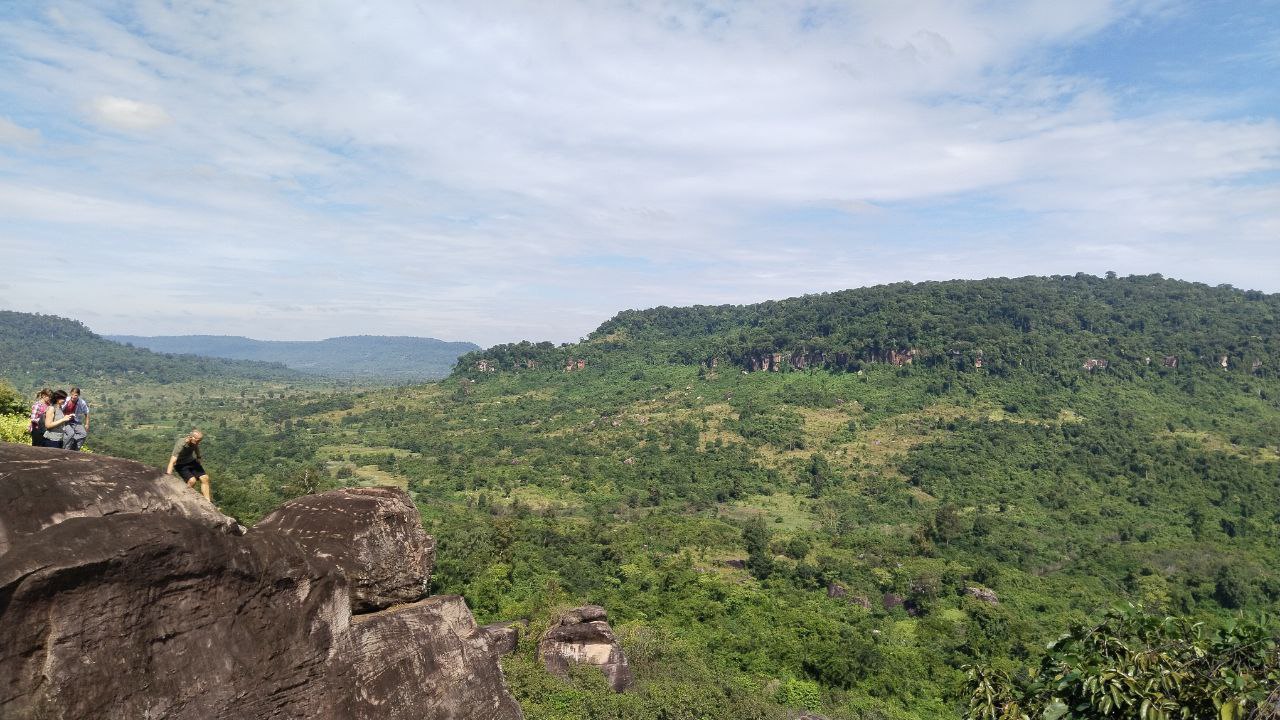
A true natural gem, this site is popular among both local visitors and international tourists seeking a peaceful escape into Cambodia’s countryside.

A Natural Wonder Near Cambodia’s Second Largest City

While Battambang is renowned for its French colonial architecture, ancient temples, and rich culture, it is also home to stunning natural landscapes and Pich Chenda is a perfect example. 

Nestled among lush forests and rocky terrain, the waterfall offers visitors a chance to relax, swim, picnic, and enjoy the soothing sounds of cascading water in a tranquil setting. 

The surrounding area is rich with biodiversity and natural beauty, making it ideal for nature lovers, photographers, and hikers alike.

Best Time to Visit

The most popular time to visit Pich Chenda is during the cooler months, typically in autumn and winter (November to February). The weather during this time is mild and pleasant, perfect for outdoor exploration and family outings.

How to Get There

Pich Chenda can be easily reached by road transport from central Battambang. It lies along the same route as Sek Sak (Sek Sork) and other nearby attractions, making it a great addition to a day trip itinerary exploring the natural highlights of the province.

Other Attractions

Phnom Kdoung – Battambang

Phnom Kdoung – Battambang

Phnom Kulen Siem Reap CambodiaPhnom Kdoung – Battambang’s Scenic Escape
Just 14 kilometers southwest of Battambang city, Phnom Kdoung, often called Ship Sail Mountain for its distinctive silhouette is a peaceful and picturesque natural attraction. Nestled in Kdoung Village, Banan District, it has become a favorite getaway for both locals and travelers seeking an authentic countryside experience away from the bustle of the city.

Natural Beauty

Phnom Kdoung is surrounded by rolling hills, forested trails, and expansive views of the Battambang countryside. Its unique shape, said to resemble a ship’s sail, makes it one of the most recognizable natural landmarks in the province. The blend of greenery, open fields, and dramatic skyline gives the mountain a charm that is both tranquil and photogenic.

Hiking & Exploration

For outdoor enthusiasts, Phnom Kdoung offers gentle trails that wind around the hillside. The climb is not particularly strenuous, making it accessible to most visitors. At the summit, travelers are rewarded with sweeping panoramic views that stretch across rice paddies, villages, and distant hills. It is an ideal spot for photography, picnics, or simply soaking in the quiet beauty of rural Cambodia.

Cultural Appeal

Visiting Phnom Kdoung is also a chance to experience the traditions of Khmer countryside life. The surrounding villages maintain a rural charm, with communities that still practice age-old customs. Travelers often find the local warmth and simplicity a refreshing contrast to city life, making the visit both scenic and culturally enriching.

Many tours of Battambang’s natural attractions include Phnom Kdoung alongside historical sites and community visits, giving travelers a well-rounded glimpse of the region.

Best Time to Visit

The most rewarding times to explore Phnom Kdoung are early morning or late afternoon. In the morning, cooler temperatures make hiking more comfortable, while the rising sun bathes the rice fields and hills in a soft golden light.

In the afternoon and evening, the golden-hour glow highlights the mountain’s silhouette and creates stunning views of the countryside as the sun sets.

Other Attractions

Prek Toal (Bird Sanctuary) – Battambang

Prek Toal (Bird Sanctuary) – Battambang

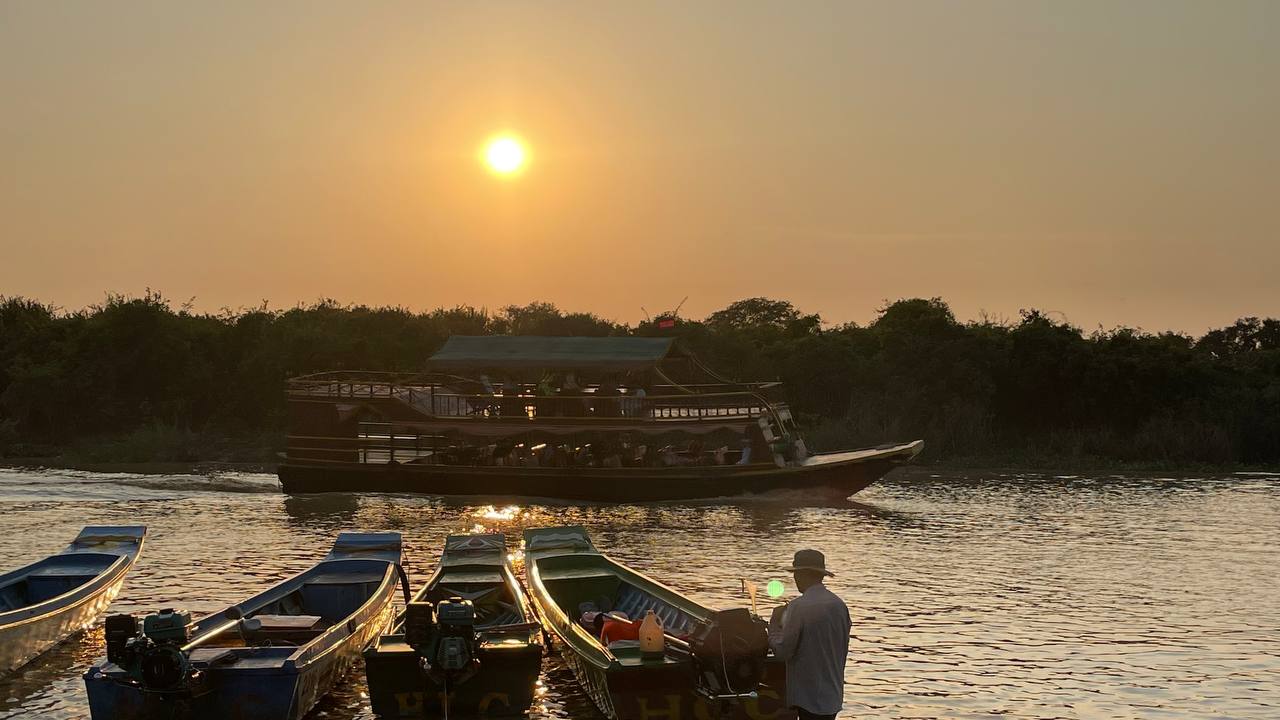
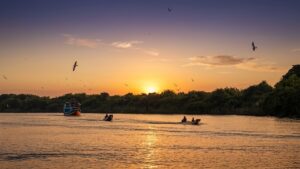
Ou Pong Moan Stung TrengNestled at the confluence of Tonle Sap Lake and the Sangker River, Prek Toal is a truly unique destination combining rich biodiversity, immersive ecotourism, and cultural authenticity. 
Established in 1999 with support from the NGO Osmose, Prek Toal has grown into one of Southeast Asia’s most important conservation areas and a must-visit for nature lovers and cultural explorers alike.

A Birdwatcher’s Paradise

Prek Toal is internationally recognized as the most critical breeding ground for large waterbirds in Southeast Asia. From January to June, when water levels drop, thousands of birds descend on the area to breed.

Among the 120+ recorded species, you’ll find: Painted storks, Spot-billed pelicans, Black-headed ibises, Greater adjutants, Masked finfoots, Oriental darters and many more, including 15 globally endangered species

Birding tours are led by trained guides from the Sam Veasna Center (SVC) and rangers from the Wildlife Conservation Society (WCS), ensuring both expert interpretation and minimal ecological impact.

Explore the Floating Village

Beyond birdlife, Prek Toal offers a fascinating glimpse into Cambodia’s floating communities. Paddle boat tours take visitors through the village to witness: Floating homes and schools, crocodile and fish-raising farms, daily life entirely lived on water

The village has developed a community-based tourism project, allowing visitors to interact with locals, support sustainable livelihoods, and learn about their aquatic way of life.

Stay Overnight at the Environmental Research Station

For those seeking a deeper experience, guests can spend the night at the Environmental Research Station, right in the heart of the flooded forest. It’s a rare chance to fall asleep to the sounds of nature and wake with the dawn chorus of hundreds of birds.

Prek Toal is located about halfway between Siem Reap and Battambang and is best accessed by boat. Day trips can be arranged from either city, though staying overnight offers a more immersive experience.

Other Attractions

Book a Tour WhatsApp