
Koh Ker – Preah Vihear

Koh Ker – Preah Vihear

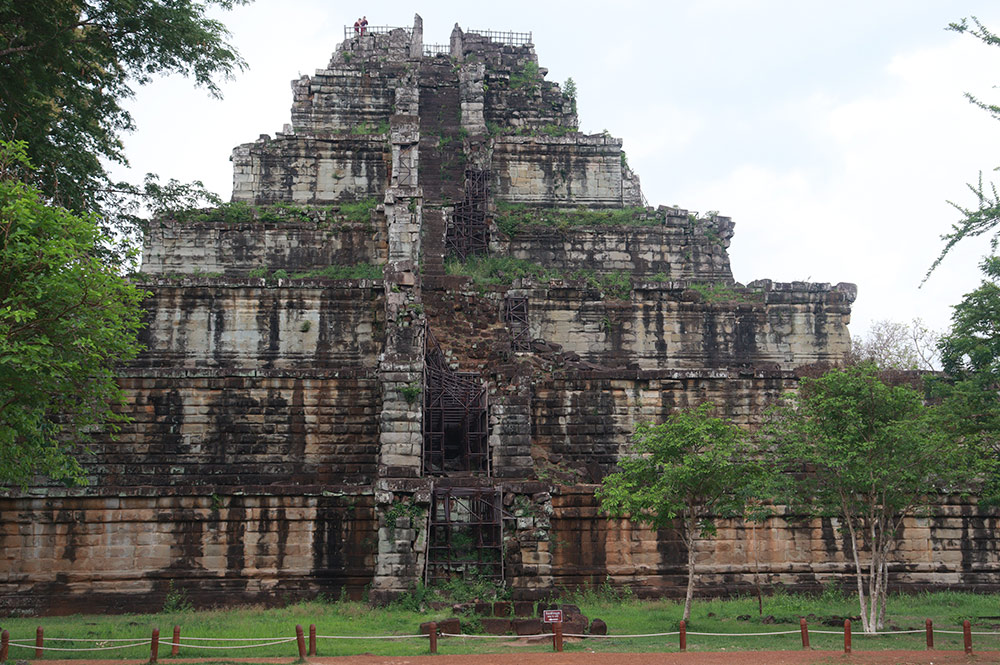
Koh Ker, an isolated temple the Cambodian Pyramid.Koh Ker – The Pyramid Capital of the Khmer Empire

Koh Ker is a remote and historically significant archaeological site in northern Cambodia, located about 120 kilometers from Siem Reap and 49 kilometers west of Preah Vihear town. 

Once the ancient capital of Cambodia, it was established by King Jayavarman IV (928–942 AD) on the Chhork Koki highland and dedicated to Treypuvanesvara, the god of happiness.

Unlike the classical style of Angkor Wat, Koh Ker’s monuments are bold, angular, and distinct, giving rise to the unique Koh Ker style of Khmer architecture. Recognized for its cultural and historical value, Koh Ker was officially inscribed as a UNESCO World Heritage Site in 2023.

Cultural & Historical Significance

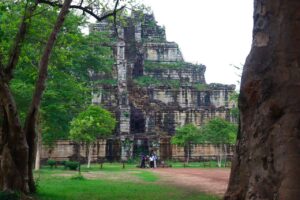
The most iconic structure at Koh Ker is Prasat Thom, a seven-tiered pyramid temple that rises 35 meters above the forest. At its summit once stood a colossal Shiva lingam, supported by statues of Garudas. Today, a staircase of 55 steps allows visitors to climb to the top, where breathtaking panoramic views extend across Phnom Dangrek, Phnom Tbeng, and Kulen district.

The site is also renowned for housing some of the largest lingas ever discovered in Cambodia, a reflection of its immense religious importance. In total, more than 96 temples have been identified throughout the area, though many now lie in ruins or remain hidden under forest growth.

As a former political and spiritual capital, Koh Ker integrated monumental temples with sacred wells and reservoirs. This harmonious blend of cosmology, kingship, and water management demonstrates the site’s unique departure from Angkor’s architectural style, making it a distinct chapter in Khmer history.

Highlights Along the Trail

Neang Khmao Temple is a striking sandstone tower that stands 20 meters high. It is surrounded by a laterite wall and serves as one of the most enduring monuments in the complex.

Prasat Pram is one of Koh Ker’s most photographed sites, with its five towers partly cloaked by creeping vegetation. The fusion of stonework and jungle roots makes it an especially atmospheric location.

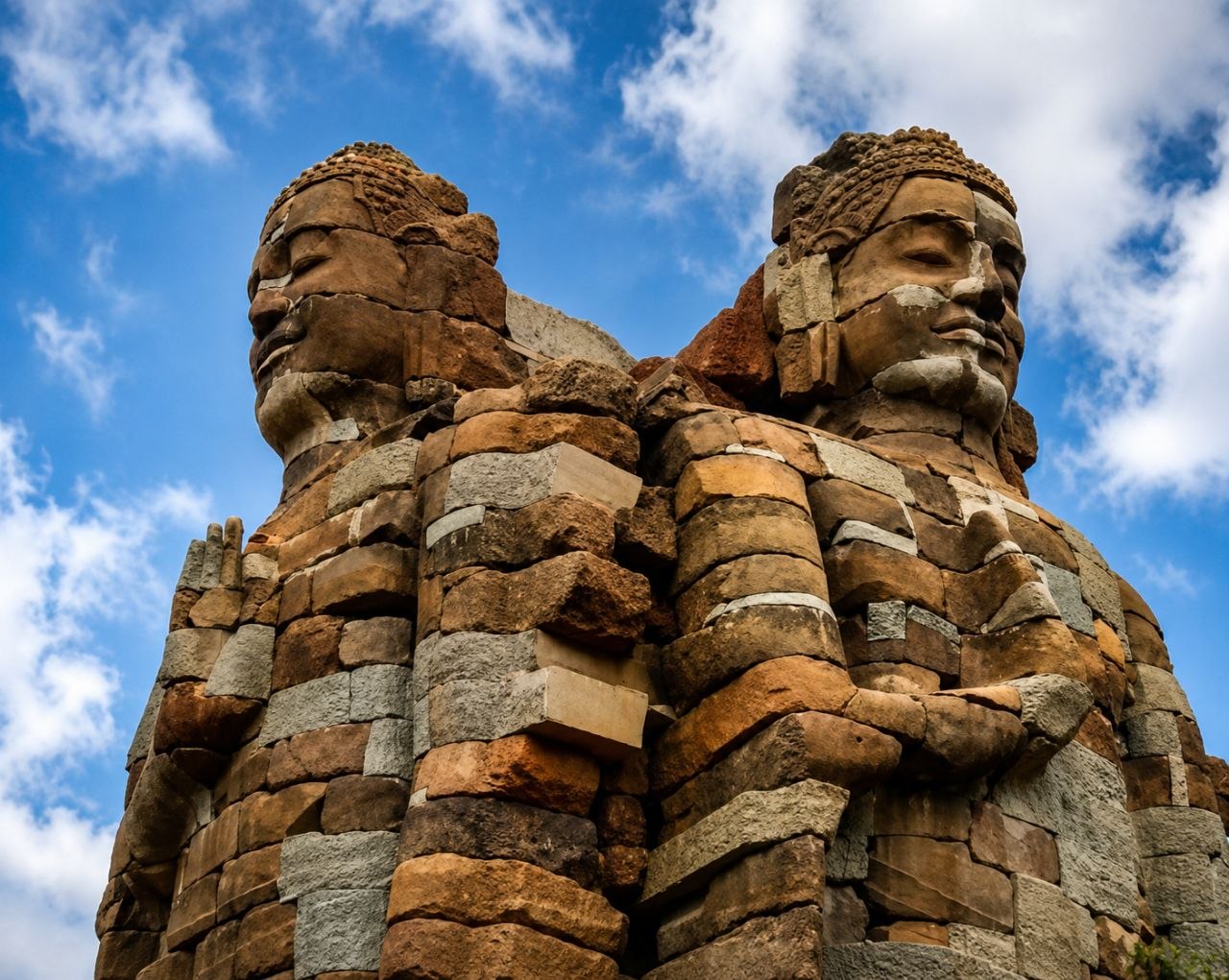
Prasat Chen is recognized for its three towers, fragments of lingas, and a remarkable statue believed to depict King Jayavarman IV. These features highlight the temple’s royal and religious significance.

Andung Preng is a clear, stone-lined well that holds deep cultural importance. According to local legend, it is mystically linked to Neang Khmao’s pond, reinforcing Koh Ker’s spiritual aura.

Prasat Krahom, or the “Red Temple,” is a pyramid built of brick. It once housed a three-meter-tall Shiva statue, showcasing the grandeur of Khmer religious art.

Prasat Khmao is notable for its inscriptions and carvings of nagas and Garudas. These motifs symbolize protection and divine guardianship, making the temple an important part of the sacred landscape.

Prasat Thom, also called Kampiang Temple, is the centerpiece of Koh Ker. Its massive pyramid form dominates the skyline and embodies the boldness of Jayavarman IV’s vision for his capital.

Together, these monuments illustrate the fusion of Hindu cosmology, sacred water management, and royal symbolism, securing Koh Ker’s place as one of the most remarkable archaeological sites of the Khmer Empire.

Legends & Myths

One legend tells of Andung Preng, the sacred well. It is said to be connected underground to a pond near Neang Khmao Temple. Villagers believe the waters possess spiritual powers and that wishes made here can come true.

Another story surrounds Neang Khmao, or the “Black Lady.” According to folklore, she was a woman of extraordinary beauty who lived in the area. After her tragic death, her spirit was said to guard the temple. Locals continue to make offerings here, hoping for blessings and protection.

There is also a tale about the giant Shiva lingam that once stood atop Prasat Thom. Oral tradition claims it was so large that its brilliance could be seen from miles away. Some villagers say the gods themselves destroyed it to prevent its sacred power from falling into the wrong hands.

These myths and legends add a layer of mystique to Koh Ker, showing how the site remains not only an archaeological wonder but also a place where spirituality and storytelling endure.
Other Attractions

Bakan Temples or Preah Khan Kampong Svay

Bakan Temples or Preah Khan Kampong Svay

Bakan – Preah Khan Kampong Svay
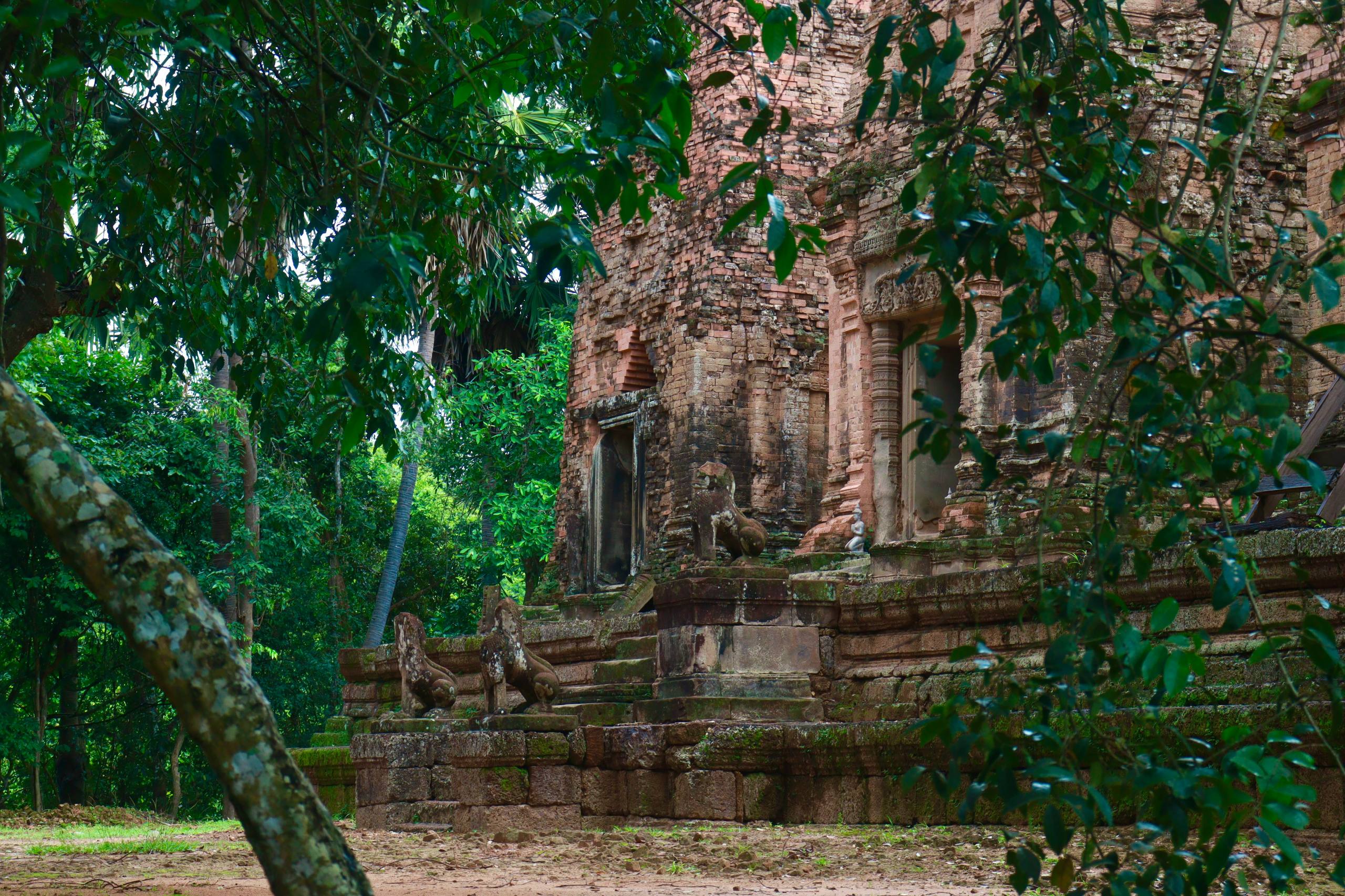
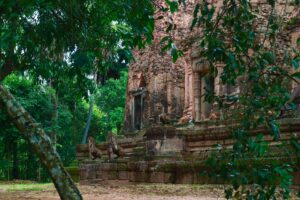
The Bakan, also known as Preah Khan Kampong Svay, is one of the largest and most historically significant temple complexes of the Angkorian era. Located in Ta Siang Village, Ronakse Commune, Sangkum Thmei District, it lies about 105 kilometers southwest of Preah Vihear town and 75 kilometers north of Kampong Thom town near Stoung, along National Route 6.

Set on a vast plain once used for royal ceremonies, the complex is enclosed by two massive ramparts. Within these walls stand several smaller temples, including Neang Peou and Dangkao Baodos, while beyond the enclosure lie additional sanctuaries such as Preah Damrei, Preah Thkol, Ta Prohm, Muk Buon, and Preah Stung. Together, they form a sprawling ceremonial and religious hub that rivals some of Angkor’s greatest sites.

Although much of the central sanctuary has collapsed into mounds of rubble, the ruins remain awe-inspiring. Looting in 2003 severely damaged the temple, with thieves destroying parts of the sanctuary and stealing numerous Apsara and Buddha statues. Yet despite its scars, the site still radiates a strong spiritual atmosphere. The extensive use of laterite stone, which glows warmly in the sunlight, enhances its dramatic presence.

Cultural & Historical Significance
Royal and Religious Role

The Bakan likely served as both a royal palace and a spiritual sanctuary. Its architectural features closely resemble the Bayon and Ta Prohm at Angkor, suggesting that King Jayavarman VII may have once taken refuge here before ascending to the throne in 1181 AD. This dual role underscores its importance as a place where political power and religious devotion were intertwined.

Military Legend of Jey Srei

Local tradition connects the site with a legendary figure named Jey Srei. According to legend, during the Cham occupation of Angkor, Jey Srei fled to the Champa Kingdom (in present-day central Vietnam), where he studied advanced military strategies. Fourteen years later, he returned to Cambodia and established an iron foundry at the Bakan. From here, he forged weapons, trained an army in the surrounding jungles, and launched a campaign that ultimately freed Angkor from Cham control.

Etymology of Jey Srei

The name “Jey Srei” itself carries symbolic meaning. “Jey” translates as “victory and successor,” while “Srei” refers to “happiness, harmony, and good fortune.” Later interpretations connected Jey Srei with Jayavarman VII, the great warrior-king who restored Cambodia’s power and is celebrated as one of the nation’s most revered rulers.

Angkor’s Second Capital

Some scholars, including Kit Chanthy of the Preah Vihear Tourism Department, have suggested that the Bakan may have functioned as the second capital of the Khmer Empire during Jayavarman VII’s reign. Archaeological evidence indicates that construction began under Suryavarman I (1002–1050) and was completed under Jayavarman VII in the late 12th to early 13th century. If true, this would further elevate the site’s importance as a political and spiritual stronghold.

Legacy and Symbolism

Today, the Bakan remains a powerful symbol of Cambodia’s resilience and heritage. Despite centuries of decline, looting, and neglect, its ruins continue to inspire awe. The site offers visitors a rare glimpse into the grandeur of Khmer architecture, the complexities of its military history, and the enduring spirit of the Cambodian people. For historians and archaeologists, it provides invaluable insight into the transitional period between Angkor’s expansion and consolidation under Jayavarman VII.

Other Attractions

Kork Beng Temple – Preah Vihear

Kork Beng Temple – Preah Vihear

Kork Beng Temple A pre angkorian templeKork Beng Temple – A Lost Historic Site
Kork Beng Temple is located within Wat Prasat Chey Preuk in Kork Beng Village, Kampong Pranak Commune, Tbeng Meanchey District. Though modest in scale compared to Cambodia’s grand Angkorian monuments, the temple carries historical significance and remains an active place of worship for the local community.

History and Architecture

The temple was originally built of laterite and sandstone between AD 936 and 951, during the reign of King Jayavarman IV. It was commissioned by a military commander named Kork, who oversaw its construction. A massive Beng tree once stood nearby, inspiring the king to name the temple Kork Beng in honor of the site’s natural setting.

Over time, the original structure deteriorated, leaving only fragments of its once-ornate sanctuary. In 1988, the temple was reconstructed in concrete, standing 8 meters high and 12 meters square. At its center, a statue of the Bodhisattva was enshrined, becoming the main object of worship for local devotees. This reconstruction ensured the temple’s continued role as a living religious site.

Cultural & Historical Significance

Kork Beng Temple reflects the expansion of religious monuments under Jayavarman IV, who briefly moved the Khmer capital to Koh Ker during his reign. The temple’s name carries symbolic meaning, with the Beng tree representing strength and longevity, blending natural symbolism with sacred architecture.

Though rebuilt in modern materials, the temple retains cultural and spiritual importance. It continues to serve as a center of Buddhist devotion, linking ancient Khmer traditions with contemporary religious practice. This continuity highlights how Cambodia’s spiritual heritage has adapted over centuries while preserving its sacred core.

Other Attractions

Former Govenor’s House – Battambang

Former Govenor’s House – Battambang

Battambang Heritage Museum (Former Provincial Hall & Royal Residence)
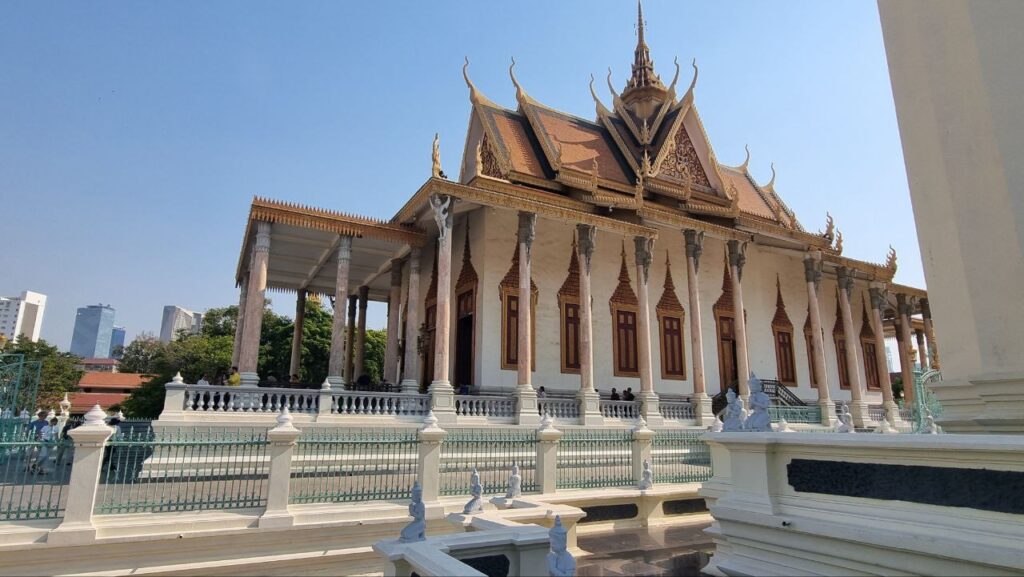
In the heart of Battambang stands one of its most elegant colonial-era landmarks: the former Provincial Hall and Royal Residence, now home to the Battambang Heritage Museum. 

Designed in 1905 by an Italian architect during the period of Thai occupation and later managed by the French colonial authorities, the building reflects the city’s layered political and cultural history. It officially opened in 1907, shortly after France regained control of the province.

Architectural Significance

The museum building combines European neoclassical features with regional influences, bearing a strong resemblance to the Chao Phya Abhaibhubejhr Building in Prachin Buri, Thailand. Its pastel facades, tall arches, and symmetrical design make it one of the most striking examples of colonial architecture in western Cambodia.

Over the decades, the structure served multiple functions. It was first used as the governor’s residence and office during the French colonial period. Later, it briefly functioned as an educational institution before becoming the Battambang Provincial Hall, a role it retained until 2005.

From Government Hall to Cultural Landmark

Today, the landmark serves as the Battambang Heritage Museum, offering an engaging journey through Cambodia’s cultural and historical legacy. The transition from a government hall to a cultural space reflects the city’s broader evolution from administrative hub to heritage center.

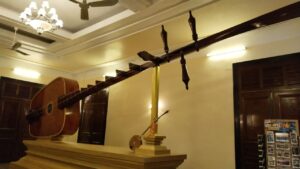
Exhibits are arranged across two floors. On the first floor, visitors will find displays of traditional Khmer musical instruments, historic military weapons such as swords and crossbows, and artifacts showcasing local craftsmanship.

The second floor highlights Khmer traditional dress, models of wooden house styles, and a statue of a provincial governor from the colonial era, offering insight into both daily life and leadership during Cambodia’s past.

Visitor Experience

The museum provides more than just a collection of artifacts. It immerses visitors in Cambodia’s past, highlighting royal influence, colonial encounters, and local traditions. The serene atmosphere of the building itself enhances the experience, making it especially rewarding for those interested in culture, history, or architecture.

Other Attractions

Wat Samrong Knong – Battambang

Wat Samrong Knong – Battambang

Wat Samrong Knong

Located just outside Battambang, Wat Samrong Knong is a powerful reminder of Cambodia’s layered history. At once a place of ancient spirituality and profound sorrow, it was originally built in the 19th century atop the ruins of a pre-Angkorian temple complex. 

Today, the site is a unique blend of ancient remnants, modern religious structures, and memorials to the victims of the Khmer Rouge.

A Place of Worship and Reflection

The current complex features a beautiful main pagoda, surrounded by a striking mix of older temple ruins and modern glittering architecture.

While it remains a functioning monastery where monks live, study, and lead ceremonies, the site is equally significant as a place of remembrance. Many locals still come here to pray, light incense, and make offerings, blending spiritual devotion with respect for history.

Khmer Rouge Atrocities

During the Khmer Rouge regime (1975–1979), Wat Samrong Knong was tragically transformed into a prison and execution site. It is believed that around 10,000 people were killed here, making it one of the most somber historical locations in Battambang province. The temple’s peaceful grounds conceal a darker past, underscoring Cambodia’s painful journey through conflict and loss.

Just outside the southwest wall of the complex stands a memorial shrine. This stark and emotional tribute to the victims features graphic bas-reliefs depicting Khmer Rouge atrocities and a glass case containing the skulls of victims a haunting yet vital reminder of the lives lost. The shrine functions both as a place of mourning and as an educational space, ensuring that the memories of the victims are never forgotten.

Other Attractions

Wat Damrey Sor – Battambang

Wat Damrey Sor – Battambang

Wat Damrey Sor, The White Elephant Pagoda in BattambangWat Damrey Sor – A Hub of Tradition and Celebration
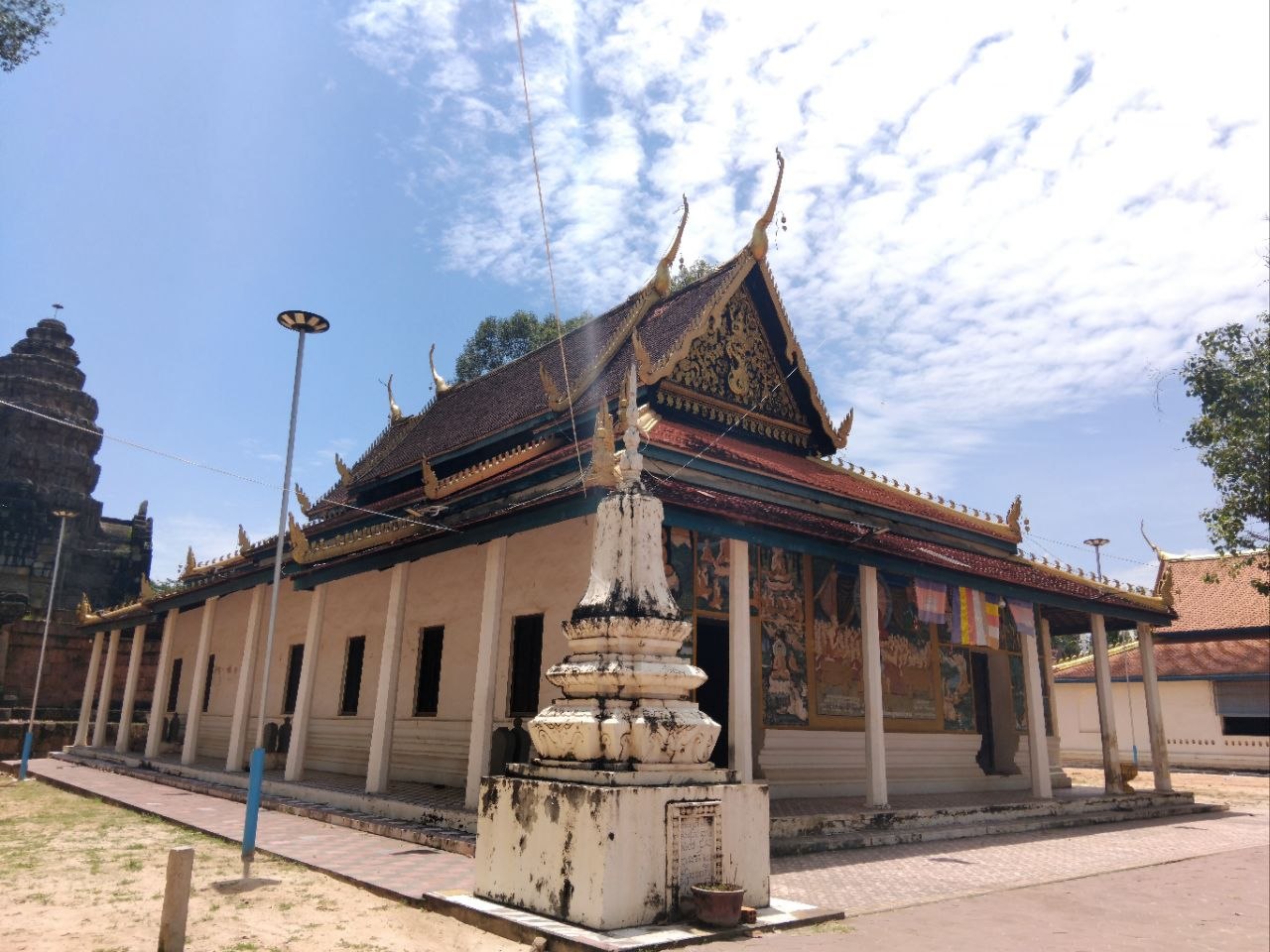
Nestled between Roads 2 and 3 in the heart of Battambang, Wat Damrey Sor, also known as the White Elephant Pagoda, is a beloved religious and cultural site that blends history, legend, and vibrant local traditions. 

This ornate temple is especially lively during Khmer New Year, when it transforms into a festive hub filled with joy, tradition, and celebration.

A Center of Celebration

During Khmer New Year, Wat Damrey Sor becomes the epicenter of local festivities. Crowds gather for traditional music, classical dance performances, and the good-natured chaos of water and powder throwing, all part of the customs to wash away bad luck and welcome prosperity in the year ahead. 

For visitors, it offers a wonderful chance to experience Khmer culture in full color and spirit.

A Place of Peace and Legend

Beyond the festivities, Wat Damrey Sor is a place of calm and reflection. Its lush gardens, decorated with vibrant flowers and shaded by tall trees, create a peaceful atmosphere ideal for meditation or a quiet stroll. Upon entering the temple grounds, visitors often speak of an immediate sense of tranquility and reverence.

Historical and Cultural Significance

With a history stretching back several centuries, Wat Damrey Sor holds deep spiritual importance in Battambang. According to local legend, the pagoda was built to enshrine a sacred stone elephant, known as Damrey Sor (meaning “White Elephant”). 

This mystical elephant was believed to offer protection and good fortune to the community, a belief that endures to this day. The temple remains a symbol of ancient Khmer beliefs, religious devotion, and cultural continuity, drawing both worshippers and curious travelers alike.

Whether you’re visiting during a lively festival or seeking a quiet moment of reflection, Wat Damrey Sor offers a unique blend of myth, history, and celebration, making it a must-see destination in Battambang.

Other Attractions

Wat Pee Pahd Pagoda – Battambang

Wat Pee Pahd Pagoda – Battambang

Wat Pee Pahd Pagoda BattambangWat Pee-Pahd – Heart of Buddhist Heritage in Battambang
Among Battambang’s many cultural attractions, Wat Pee-Pahd Pagoda stands out as a key site that reflects the city’s deep spiritual roots and rich Buddhist heritage. Situated between River Road 1 and River Road 2, right in the heart of Battambang, this temple is both centrally located and historically significant.

A Testament to Cambodia’s Buddhist Identity

Cambodia’s connection to Theravada Buddhism is deeply woven into its culture, and Wat Pee-Pahd is one of the finest examples of how religion continues to shape daily life and artistic expression in the country. The pagoda is an important active place of worship, yet it is equally welcoming to visitors curious about Cambodian traditions and architecture.

Architectural Beauty & Sacred Art

Upon entering the temple grounds, visitors are greeted by a peaceful atmosphere and a setting that encourages reflection and spiritual calm. The interior of the pagoda is beautifully decorated, featuring intricately carved statues of the Buddha and ornate wall paintings, which together create a space that is both serene and visually striking.

A Must-Visit on Battambang Tours

Wat Pee-Pahd is one of the most visited temples in Battambang, drawing both locals and tourists throughout the year. Whether you’re a pilgrim, a history enthusiast, or a traveler seeking cultural enrichment, this pagoda offers an authentic insight into Cambodian religious life.

For anyone planning a tour of Battambang, Wat Pee-Pahd should absolutely be on the itinerary, a place where history, art, and spirituality come together in the center of one of Cambodia’s most charming cities.

Other Attractions

Wat Kor Village – Battambang

Wat Kor Village – Battambang

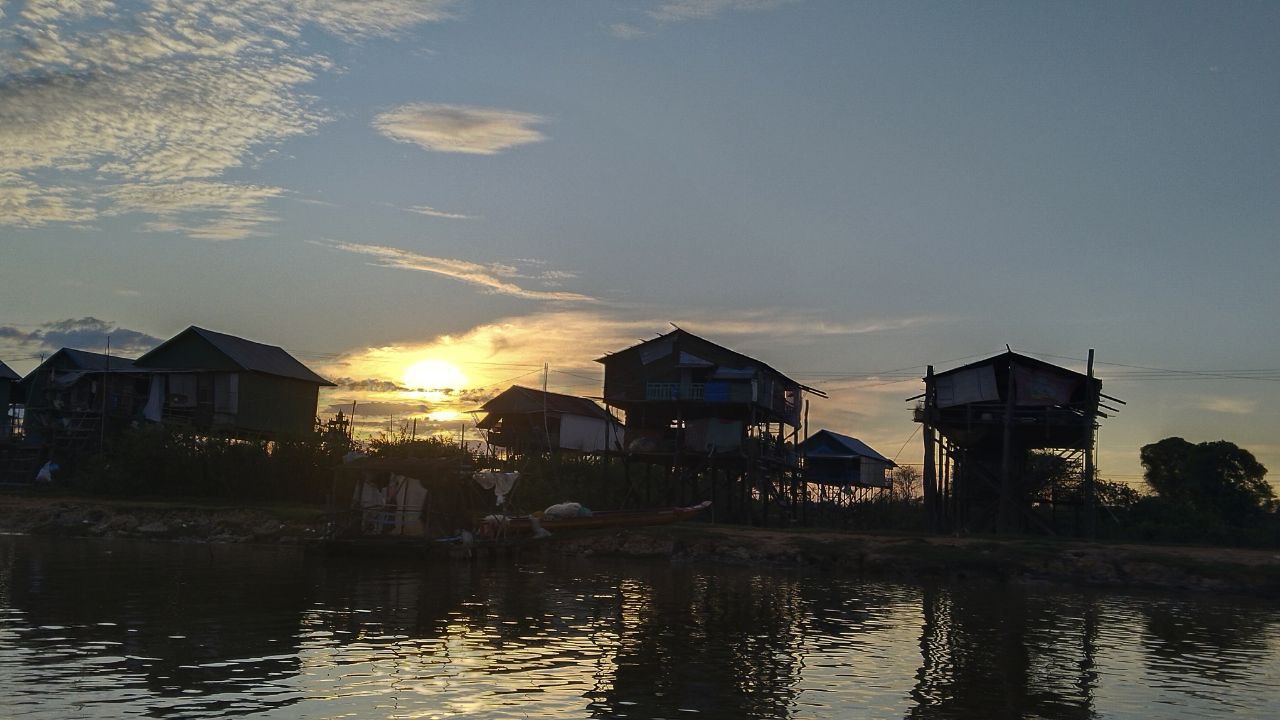
Stilt HouseWat Kor Village – Battambang’s Living Heritage

Just 2 kilometers south of central Battambang, along the east bank of the Sangker River, Wat Kor Village is a tranquil enclave that offers visitors a glimpse of traditional Khmer life. 

With its namesake pagoda, cluster of historic wooden homes, and peaceful riverside atmosphere, the village is often described as one of Battambang’s most atmospheric and culturally rich destinations.

Sunset by the Sangker River

In the late afternoon, the village is bathed in golden light. The spires of Wat Kor Pagoda shimmer against the sunset sky, small bridges arch gracefully across the river, and daily life moves at an unhurried pace. 

Locals tend their gardens, children play along quiet lanes, and the soft rhythm of Buddhist chants drifts from the temple. For visitors, this creates a serene introduction to Wat Kor’s timeless charm and makes sunset one of the best times to explore.

Khmer Heritage Houses

Wat Kor is best known for its traditional wooden Khmer houses, many of which were built between the late 19th and early 20th centuries. Constructed from rare hardwoods and surrounded by lush orchards, these homes feature wide verandas, polished wooden floors, and elegant proportions that reflect both Khmer tradition and French colonial influence. Around 20 heritage houses still remain, with several welcoming guests for guided tours that reveal family histories and construction techniques.

Mrs. Bun Roeung’s Ancient House

Built in 1920 by a local Khmer lawyer, this beautifully preserved home retains its polished floors, antique furniture, and vintage family portraits. The rear section has been adapted into a homestay, offering guests a rare opportunity to spend the night in an authentic Khmer house, surrounded by the echoes of a century of history.

Khor Sang House

Constructed in 1907, with an older section dating back to 1890, this residence was built by the grandfather of the current owner, who once served as secretary to Battambang’s last Thai governor. Its layered history, graceful design, and carefully maintained interiors make it one of the highlights of Wat Kor Village.

Experiences & Activities

Exploring Wat Kor Village is as much about atmosphere as it is about architecture. Visitors can immerse themselves in Khmer culture by meeting local families who still live in these heritage homes and listening to stories passed down through generations. Photography enthusiasts will find countless details to capture, from carved wooden beams to shaded tropical gardens. 

Those seeking a deeper connection can book a homestay in one of the heritage houses, waking to the sounds of roosters and river breezes. A stop at Wat Kor Pagoda, the spiritual heart of the village, completes the experience, adding a sacred layer to the visit.

Other Attractions

Wat Kandal – Battambang

Wat Kandal – Battambang

Cambodia PagodaWat Kandal – An Offbeat Temple Experience in Battambang

Located on the east bank of the Sangker River, Wat Kandal is one of Battambang’s more understated temples. 

While the structure itself is modest and somewhat run-down, it offers a truly unusual and memorable experience for visitors interested in the quirks of local spirituality and artistic expression.

A Dark Tale in Mural Form

One of the most striking features of Wat Kandal is a wall mural on the outside of the temple that tells the chilling story of a man who killed his own mother, a grave karmic crime in Buddhist belief. 

The mural narrates his descent into punishment, culminating in his boarding a boat bound for hell. It’s a surreal and haunting depiction that gives insight into Buddhist moral teachings through art.

The Angkor Replica

About 110 meters down a dirt path behind the temple, you’ll find another fascinating surprise: a miniature replica of Angkor Wat. Built in 1969 over a small concrete pool, this replica is the pride of the resident monks. Locals believe that spirits and relics of deceased monks are kept within it, adding a sacred layer to the structure.

Despite its small scale, the replica displays impressive attention to detail and reflects the deep reverence Cambodians have for their cultural and religious heritage.

A Different Side of Battambang’s Temples

While Battambang is home to many grander and more frequently visited temples, Wat Kandal stands out for its atmosphere, spiritual significance, and unconventional storytelling. It’s a place that invites reflection and curiosity, ideal for travelers looking to explore beyond the usual tourist path.

Other Attractions

Prasat Sneung – Battambang

Prasat Sneung – Battambang

Kork Beng Temple A pre angkorian templeSneung Temples – A Late Angkorian Craftsmanship

Located in Banan District, about 22 kilometers southwest of Battambang town, the Sneung Temples are a pair of historic structures that showcase the rich architectural heritage of the Khmer Empire. 

The site is divided into two parts, East Sneung and West Sneung, each with its own unique features, materials, and stories. Together, they reflect the spiritual devotion and evolving craftsmanship of the later Angkorian period.

East Sneung Temple

East Sneung Temple sits within the grounds of Sneung Pagoda in Sneung Commune, perched atop a small hill overlooking the surrounding countryside. Built primarily of brick, the temple measures 30 meters in length and 20 meters in width, and its layout includes three separate shrines, a classic arrangement for Khmer religious structures of the 12th century. 

A newer temple has been constructed just behind the original ruins, a clear reminder that the site is not just an ancient relic, but a living place of worship still cherished by the local community.

West Sneung Temple

In contrast, West Sneung Temple was built from sandstone and lies closer to National Road 57. Though much of the structure has weathered over time, traces of its original Angkorian style remain visible, offering a complementary perspective to its brick-built counterpart in the east. The juxtaposition of sandstone and brick temples within the same cultural landscape reflects the Khmer Empire’s varied architectural practices during this period.

Historical & Architectural Significance

The Sneung Temples date back to the later Angkorian era and hold great historical and archaeological value. Their coexistence highlights the transition between construction methods, with brick being more common in earlier centuries and sandstone favored in later periods for its durability and decorative potential. Together, East and West Sneung provide valuable insight into Angkorian religious life, temple symbolism, and regional variations in architectural design.

Natural Setting & Cultural Experience

Surrounded by rice fields, quiet villages, and rural landscapes, the Sneung Temples are set in a serene environment that enhances their timeless atmosphere. The presence of Sneung Pagoda and active monastic life alongside the ruins adds a living cultural layer, where daily Buddhist rituals coexist with remnants of Cambodia’s ancient spiritual past. Visitors can experience both the peaceful beauty of the countryside and the continuity of Khmer religious traditions.

Other Attractions

Book a Tour WhatsApp