Toul Sleng Genocide Museum – Phnom Penh

Toul Sleng Genocide Museum – Phnom Penh

S21 the Killing FieldS-21 – The Cambodia’s Darkest Chapter 

Located in Phnom Penh, the capital of Cambodia, the Tuol Sleng Genocide Museum is one of the country’s most somber and historically significant sites. 

Once known as Security Prison 21 (S-21), this former school-turned-prison became one of the most notorious centers of interrogation, torture, and extermination during the Khmer Rouge regime between 1975 and 1979. 

Today, it stands as a memorial to the victims and a stark reminder of the atrocities committed under Democratic Kampuchea.

From School to Prison

Originally a secondary school, the building was repurposed by the Khmer Rouge into a high-security detention center. Over 18,000 prisoners, including men, women, and children, many of them Khmer Rouge cadres accused of betrayal were imprisoned here.

Inside its walls, detainees endured harsh interrogations, inhumane torture, and brutal confinement. Most of them were eventually executed either within the prison itself or transferred to the nearby Choeung Ek Killing Fields for mass executions.

Preservation as a Museum

When the Khmer Rouge regime collapsed in 1979, Tuol Sleng was left largely intact. The new government preserved the site as a crime scene and historical archive. It was later transformed into a museum to honor the victims and ensure that the tragedies of the past are neither forgotten nor repeated.

The museum’s existence serves not only as a memorial but also as an educational tool, raising awareness about genocide and human rights abuses worldwide.

What to Expect When Visiting

Visitors to Tuol Sleng will find an emotionally powerful experience. The museum features the original prison cells and classrooms converted into holding areas, complete with shackles and preserved torture instruments.

Thousands of haunting black-and-white photographs of victims, taken by prison guards, line the walls, each face a testimony to the lives lost. Exhibits include survivor testimonies, original documents, and personal belongings of prisoners. A permanent exhibition also details the rise and fall of the Khmer Rouge regime, providing critical historical context.

Visitor Information

The Tuol Sleng Genocide Museum is located on Street 113 in central Phnom Penh, making it easy to access by tuk-tuk, taxi, or guided tour. It is typically open daily, though visitors should check for closures on national holidays.

Modest dress and respectful behavior are expected, as this is a site of remembrance. Audio guides and guided tours are available in multiple languages, offering deeper insight into the stories behind the exhibits.
Other Attractions

Wat Ounalom – Phnom Penh

Wat Ounalom – Phnom Penh

Wat Ounalorm Phnom PenhLocated near the bustling riverside in central Phnom Penh, Wat Ounalom is one of Cambodia’s most important and historic pagodas. Reputedly the oldest of the five original temples established when Phnom Penh first became the capital in the early 15th century, it remains a vital center of Buddhist faith, education, and cultural identity. 

A Living Spiritual Center

Founded in 1443, Wat Ounalom is the official headquarters of the Cambodian Buddhist patriarchate and consists of 44 individual structures within its grounds. It continues to play an active role in Cambodian spiritual life as the residence of the Supreme Patriarch (the head of the Buddhist order), a functioning monastery, and a teaching center where monks study and preserve Buddhist teachings. For local worshippers and visitors alike, it serves as a sanctuary of peace amid the city’s busy streets.

Highlights of the Pagoda

The temple complex holds several significant landmarks. A statue of Samdech Huot Tat, the revered fourth patriarch of Cambodian Buddhism who was executed during the Khmer Rouge era, stands as a solemn reminder of resilience and sacrifice.

Behind the main temple building is a sacred stupa said to contain an eyebrow hair of the Buddha, making Wat Ounalom an important pilgrimage site for the faithful. The peaceful courtyards, traditional Khmer architecture, and centuries-old religious art further enrich the atmosphere for visitors.

Other Attractions

The Silver Pagoda – Phnom Penh

The Silver Pagoda – Phnom Penh

The Silver Pagoda in Phnom PenhSilver Pagoda – Cambodia’s Art 

Located within the same royal compound as the Royal Palace, yet separated by a walled walkway, the Silver Pagoda is one of Phnom Penh’s most revered and architecturally rich landmarks. It is both a sacred temple and a cultural treasure, offering visitors a rare glimpse into Cambodia’s royal and spiritual heritage.

What’s in a Name?

Officially called Wat Preah Keo Morokat, or “The Temple of the Emerald Buddha,” the site is better known as the Silver Pagoda. This popular name comes from the temple’s extraordinary floor, inlaid with more than 5,000 solid silver tiles. While much of the floor is protected by carpets, certain sections remain uncovered, allowing visitors to admire the gleaming craftsmanship firsthand.

A Sanctuary of Art, Faith, and History

The Silver Pagoda is not just a single temple but an entire compound of artistic, religious, and historical significance. At its heart stands the main vihara, enshrining a sacred Baccarat crystal Emerald Buddha alongside a life-sized golden Buddha adorned with diamonds. 

Surrounding structures include a library preserving religious texts, numerous stupas honoring former kings and spiritual leaders, and tranquil courtyards designed for reflection. The gallery walls are decorated with colorful murals depicting the Reamker, Cambodia’s version of the Ramayana epic, providing visitors with a vibrant insight into Khmer mythology and storytelling.

Cultural Significance

Unlike many other religious sites in Cambodia, the Silver Pagoda survived the Khmer Rouge regime relatively intact, preserving its priceless treasures and sacred relics. Today, it remains an important venue for royal ceremonies, Buddhist rituals, and cultural preservation. Beyond its religious role, the pagoda is a living museum of Khmer art, architecture, and devotion.

Other Attractions

The Royal Palace – Phnom Penh

The Royal Palace – Phnom Penh

Royal Palace in Phnom PenhThe House of the Royal Monarchy 

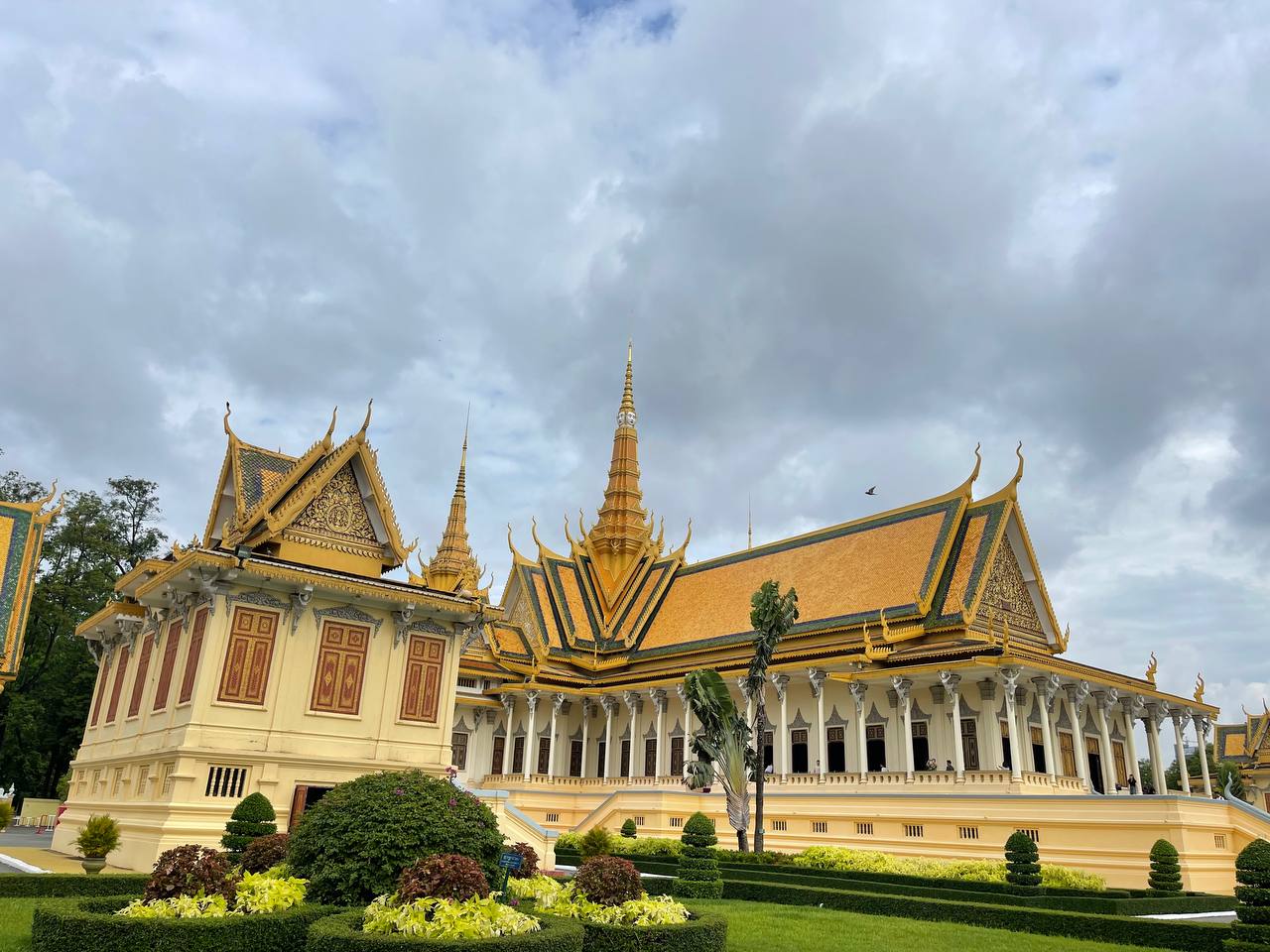
Located on Samdech Sothearos Boulevard in the heart of Phnom Penh, the Royal Palace stands as a shining symbol of Cambodia’s cultural heritage and the seat of its monarchy. With its gilded spires, ornate roofs, and elegant Khmer architecture, the palace is one of the country’s most iconic and visually stunning landmarks. 

A Glimpse into Royal History

Construction of the Royal Palace began in 1866 under King Norodom, marking the shift of Cambodia’s capital from Oudong to Phnom Penh. The original palace complex was later rebuilt between 1912 and 1932, resulting in the majestic structures seen today. 

Its location at Chaktomuk, the confluence of the Tonle Sap and Mekong Rivers, holds symbolic significance, as it is linked to Brahma, the Hindu god of creation, believed to have four faces watching over the land.

Surviving the Turmoil

Since its construction, the Royal Palace has served as the official residence of Cambodia’s monarchs, with one exception during the Khmer Rouge regime (1975–1979), when it was abandoned. Despite this dark chapter, the palace survived and continues to function as both a royal residence and a ceremonial site for important national and religious events.

Highlights of the Palace Grounds

The Throne Hall (Preah Thineang Dheva Vinnichay) is one of the palace’s most significant structures. It is used for coronations, royal audiences, and religious ceremonies, and its impressive scale and intricate Khmer design reflect the grandeur of Cambodia’s monarchy.

The Silver Pagoda (Wat Preah Keo Morakot) is another highlight, famous for its floor inlaid with more than 5,000 silver tiles. Inside, visitors can admire priceless treasures, including the revered Emerald Buddha and a life-sized gold Buddha encrusted with diamonds, making it one of the most sacred sites in Cambodia.

The palace grounds also feature beautiful gardens and courtyards, where manicured lawns, traditional statues, and elegant walkways create a peaceful contrast to the palace’s ceremonial halls. These spaces offer visitors a chance to pause, reflect, and appreciate the harmony between nature and architecture.

Visitor Information

The Royal Palace is located on Samdech Sothearos Boulevard in central Phnom Penh, making it easily accessible from other major attractions such as the National Museum and the riverside.

It is open to the public daily, though some areas may be closed during official royal functions. Visitors should check ahead if they want to explore the entire complex.

A modest dress code is required when visiting. Shoulders and knees must be covered, as the palace is both a cultural landmark and an active religious site. Respectful attire ensures entry and shows reverence to Cambodian traditions.

Other Attractions

Angkor Wildlife & Aquarium

Angkor Wildlife & Aquarium

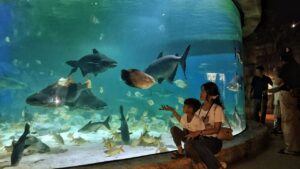
Wildlife Aquarium, Siem Reap CambodiaCambodia’s First Interactive Wildlife Adventure

If you’re spending 2–3 days in Siem Reap and want to balance temple exploration with something a little different, the Angkor Wildlife & Aquarium (AWA) makes an excellent daytime option. Located just outside the city, it offers visitors a chance to discover Cambodia’s wildlife while learning more about conservation and the country’s natural environment.

AWA is ideal for families, couples, and solo travelers alike, providing a refreshing mix of education, conservation, and entertainment. After visiting the ancient temples of Angkor, it’s a great way to enjoy a change of scenery and experience something beyond the archaeological sites.

Families with children will particularly enjoy the wildlife and aquarium exhibits, while adults can appreciate the educational experience and peaceful surroundings. Best of all, a free roundtrip shuttle bus operates from the heart of Siem Reap, making it easy and stress-free to include AWA in your itinerary. Whether you’re looking for a family-friendly activity or simply want to add something different to your Siem Reap adventure, the Angkor Wildlife & Aquarium is well worth a visit.

What Makes Angkor Wildlife & Aquarium Special
Cambodia’s First Aquarium

AWA is the very first dedicated aquarium and wildlife center in Cambodia, marking a milestone in the country’s efforts to blend modern facilities with traditional conservation values. It stands as both an attraction and a pioneering institution.

Conservation Focus

The aquarium is more than just a showcase of wildlife. It highlights Cambodia’s endangered native species while also addressing the ecological dangers posed by invasive ones, encouraging visitors to think critically about environmental stewardship.

Interactive Experience

Immersive exhibits allow guests to dive into Cambodia’s aquatic and forest ecosystems. From freshwater rivers to tropical habitats, visitors can experience some of the nation’s most fascinating and near-extinct creatures in an engaging, hands-on way.

Beyond the Display

Every ticket sold contributes directly to AWA’s rescue, rehabilitation, and education initiatives. This makes a visit more than just entertainment—it is also a personal contribution to Cambodia’s ecological future.

Why Visit Angkor Wildlife & Aquarium

A visit to AWA is perfect for families, offering an engaging, all-ages experience that provides a refreshing contrast to temple touring. Children and adults alike can learn while being entertained.

The aquarium is also a modern and interactive venue where education is seamlessly woven into entertainment. Visitors come away not only with memories but also with deeper knowledge about Cambodia’s environment.

It is one of the few places where travelers can encounter Cambodia’s rare and elusive species up close, creatures that would otherwise be almost impossible to see in the wild.

Thanks to the complimentary shuttle service from central Siem Reap, getting to AWA is convenient and stress-free, making it easy to include in any itinerary.

Other Attractions

Prasat Prei is a small, serene temple ruin located deep in the forest...
Banteay Prei is a small, lesser-known Buddhist temple tucked away in the jungle...
West Mebon is a lesser-known temple in the Angkor region, once situated on...
East Mebon is a striking 10th-century Hindu temple located in the Angkor Archaeological...
Ta Som is a small, peaceful temple located in the northeastern part of...
Prasat Kravan is a small but historically significant Hindu temple in the Angkor...

Preah Vihear Temple

Preah Vihear Temple

Preah Vihear Temple – A Masterpiece of the Khmer Empire
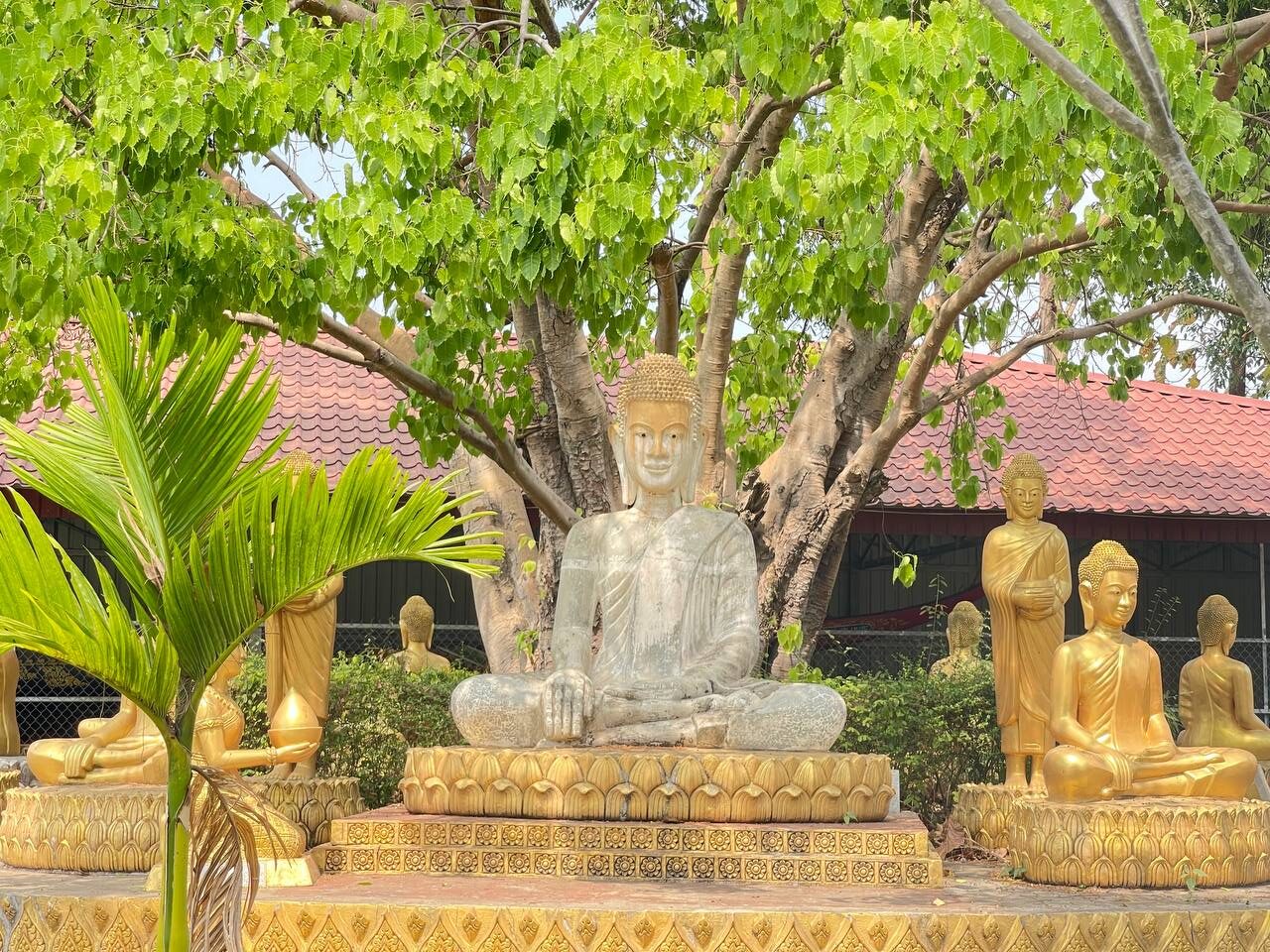
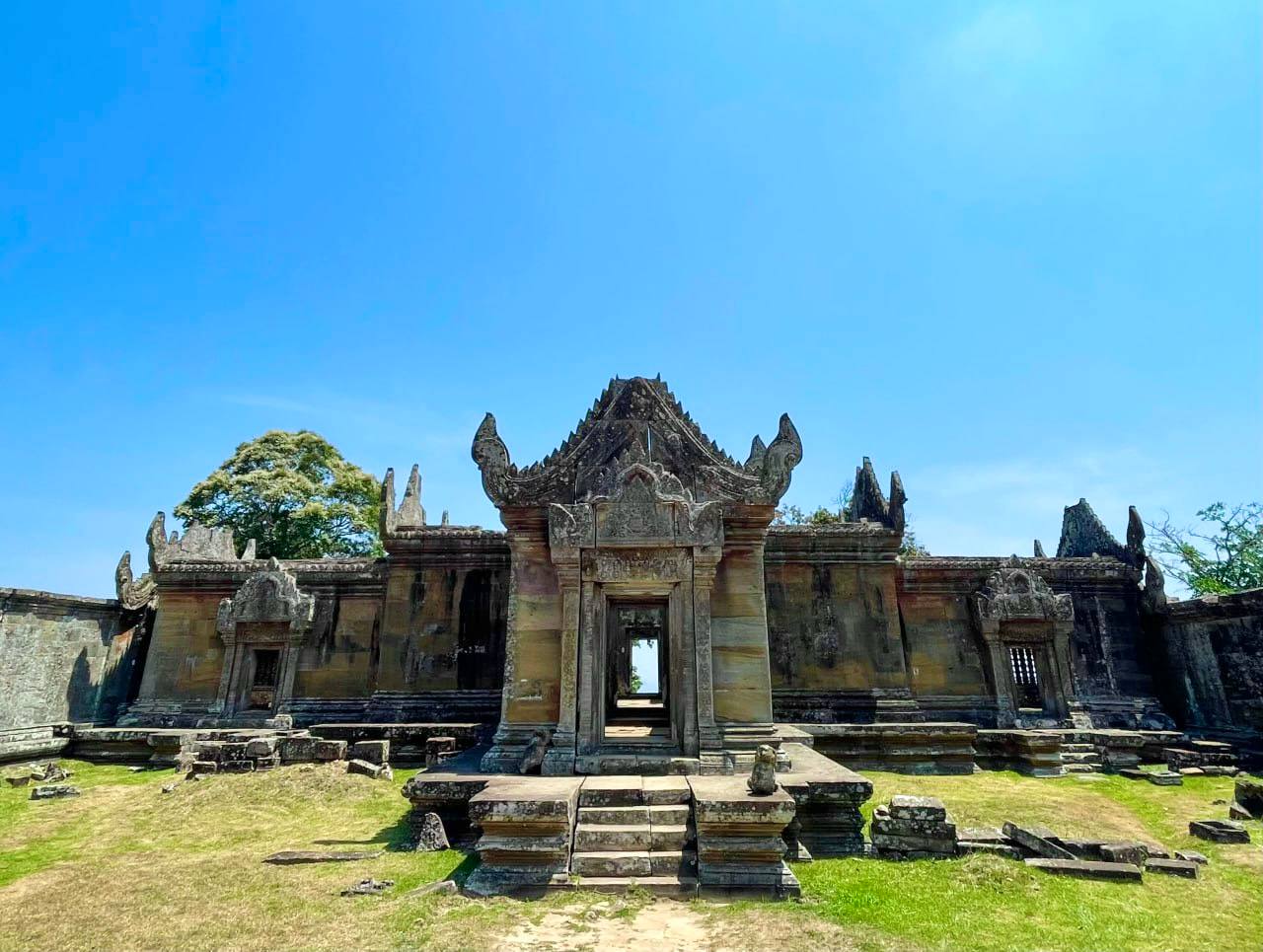
Perched dramatically on the edge of a giant cliff in the Dângrêk Mountains, Preah Vihear Temple is one of the greatest masterpieces of Khmer architecture. Standing 625 meters above sea level in Preah Vihear Province, it commands sweeping views across the vast Cambodian plains and marks the borderland between Cambodia and Thailand, a place of both cultural pride and historical significance.

History and Architecture

Construction of Preah Vihear began in the 9th century under King Yasovarman I (889–900), who dedicated the sanctuary to Shiva. During the reign of King Suryavarman II (1113–1150), the site was transformed into a monumental complex, reflecting the empire’s political might, economic prosperity, and religious devotion.

The temple complex stretches along a north–south axis, consisting of four levels, four courtyards, and five gopuras (entrance pavilions), each showcasing distinct architectural features and intricate carvings.

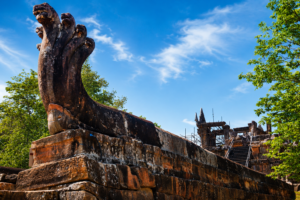
Visitors ascend the Naga Stairway, a dramatic approach beginning with 162 steps flanked by guardian lions and leading into the Nagajara Courtyard, adorned with massive seven-headed serpent sculptures. Higher up, the third-level palace buildings once housed royalty and pilgrims.

The journey culminates at the main sanctuary, the spiritual heart of the temple, where divinities of Hindu cosmology were venerated. One of the site’s artistic highlights is the Naga stairhead, carved from a single block of stone, widely regarded as one of the finest achievements of Khmer sculpture.

Historical Significance

Preah Vihear Temple has long symbolized the religious devotion and architectural genius of the Khmer Empire. In modern times, it became a focal point of territorial disputes between Cambodia and Thailand.

In 1962, the International Court of Justice (ICJ) ruled in Cambodia’s favor, confirming Cambodian sovereignty over the site. Its universal importance was further recognized when it was inscribed as a UNESCO World Heritage Site on July 8, 2008.

Other Attractions

Wat Bak Kam – Preah Vihear

Wat Bak Kam – Preah Vihear

Wat Bak Kam Preah VihearWat Bak Kam – A Tranquil Pagoda Amidst Forest and Legend
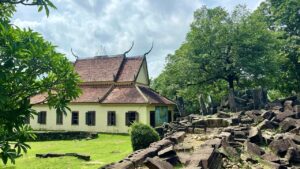
Located at the foot of Tbeng Mountain in Bak Kam Village, Chhien Muk Commune, Tbeng Meanchey District, about 17 kilometers west of Tbeng Meanchey town, Wat Bak Kam is a peaceful pagoda surrounded by lush forest. 

The grounds stretch approximately 1,000 meters long and 400 meters wide, offering fresh air, scenic views, and a tranquil retreat for both worshippers and visitors. The site is especially lively during religious holidays and national festivals, when locals gather to celebrate, pray, and connect as a community.  Beyond its role as a place of worship, Wat Bak Kam serves as a center of social and cultural life for the surrounding villages.

Thma Peung Angkam – The Overhanging Rock

One of the most fascinating features of Wat Bak Kam is Thma Peung Angkam, a massive rock tied to local legend. In Khmer, Thma Peung means “overhanging rock,” while Angkam translates to “chaff.”

According to tradition, a Khmer commander and his troops once sought refuge beneath this rock after a failed military campaign. They cultivated rice in the nearby fields and husked it beneath the shelter of the stone, leaving behind piles of rice chaff. Generations later, villagers discovered these remnants, which gave the rock its enduring name.

Today, Thma Peung Angkam is revered as a sacred site of worship, where visitors often come to pray and pay their respects. Its combination of natural beauty, historical lore, and spiritual value enriches the serene atmosphere of Wat Bak Kam.

Other Attractions

Phnom Preah Lean Temple – Preah Vihear

Phnom Preah Lean Temple – Preah Vihear

Preah Lean Temple – A Mysterious in Khmer Architecture
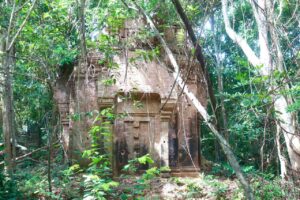
Preah Lean Temple consists of the remains of a square brick sanctuary facing east, accompanied by a cruciform-shaped sandstone structure of uncertain purpose. 

Perched on a small rise beside Road 62 in Tbaeng Meanchey District, this modest yet intriguing site provides a rare glimpse into the experimental aspects of Khmer temple construction.

Although partly ruined, with scattered debris from both structures, Preah Lean still retains an air of mystery. Visitors are greeted by traces of sculptures and architectural fragments that hint at its former grandeur.

Preah Lean Temple History

While little is recorded about the exact founding of Preah Lean Temple, its layout and surviving materials suggest that it dates back to the early centuries of the Khmer Empire, possibly during the 10th or 11th century. The site reflects a transitional phase of temple building, when brick sanctuaries were gradually complemented or replaced by sandstone structures.

The cruciform sandstone building in front of the sanctuary has long puzzled archaeologists. It may have been designed as a gopura, or entrance pavilion, but was likely left unfinished, as there are no traces of an enclosing wall or completed architectural detailing. This unfinished quality adds to the temple’s historical significance, offering a rare case study of construction processes and design choices in Khmer architecture.

Architectural Features

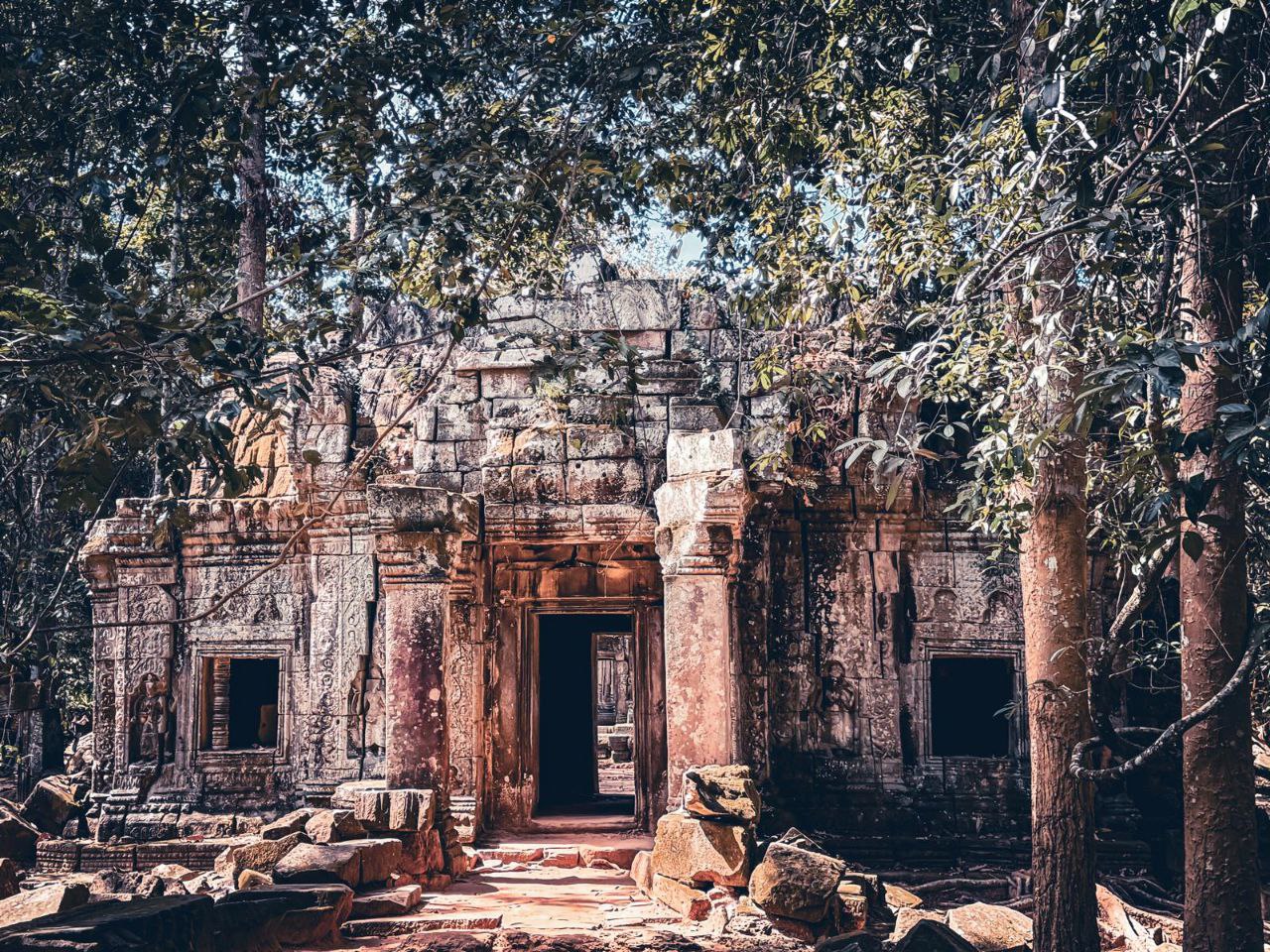
One of the most unusual aspects of Preah Lean Temple is the use of sandstone doorframes bricked in to create false doors, a rare feature in Khmer temple design. These false doors provide insight into the experimental spirit of the builders, who appear to have been exploring new architectural approaches.

Around the temple grounds, visitors can still encounter several decorative fragments that survived the passing centuries. A lion statue, symbolizing protection, reflects the temple’s role as a sacred space guarded by divine beings.

Nearby lies the fragment of a naga sculpture, a powerful symbol of guardianship and a recurring motif in Khmer religious architecture. In addition, door columns and intricately carved finials engraved with inset characters further illustrate the temple’s artistic detail and religious symbolism, despite its incomplete state.

Other Attractions

Wat Peung Preah Kor – Preah Vihear

Wat Peung Preah Kor – Preah Vihear

Wat Peung Preah Ko PagodaWat Peung Preah Kor – A Serene Sanctuary at the Foot of Tbeng Mountain
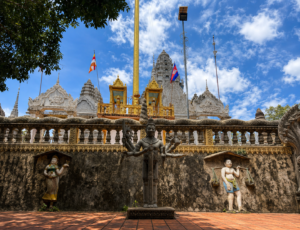
Wat Peung Preah Kor is a serene Buddhist sanctuary located in Mohapol Village, Chhean Muk Commune, Tbeng Meanchey District, at the foot of Tbeng Mountain. Surrounded by lush forests and the natural beauty of the landscape, the site provides a peaceful and scenic environment. 

It has become a popular destination for both locals and travelers who seek spiritual reflection, meditation, and quiet relaxation. Many visitors, especially those influenced by local traditions, believe the pagoda and its surroundings possess strong spiritual powers.

Cultural & Historical Significance

Situated at the base of Tbeng Mountain, Wat Peung Preah Kor reflects the Khmer cultural practice of integrating religious sanctuaries into natural landscapes. In Khmer tradition, mountains, rivers, and forests are often considered sacred, forming an inseparable part of spiritual life. The pagoda embodies this connection, serving not only as a site for Buddhist worship but also as a place where folk spirituality thrives.

Over time, the temple has earned a reputation for its protective and healing powers, with locals attributing blessings and mystical strength to its grounds. This belief makes Wat Peung Preah Kor more than just a religious site, it is also a cultural landmark that preserves the living traditions and spiritual identity of the surrounding community.

Nearby Attractions

Visitors to Wat Peung Preah Kor can also explore the wider cultural landscape of Preah Vihear Province. The world-renowned Preah Vihear Temple, a UNESCO World Heritage Site, lies nearby, perched dramatically on a cliff in the Dângrêk Mountains. This temple is celebrated for its breathtaking views and distinctive Khmer architecture.

In addition to sacred monuments, the area offers opportunities for outdoor activities such as boat rides, fishing, and riverside picnics. These experiences allow travelers to enjoy both the natural charm and cultural richness of the region, creating a well-rounded visit.

Other Attractions

Noreay Temple – Preah Vihear

Noreay Temple – Preah Vihear

Noreay TempleNoreay Temple – A Secluded Pre-Angkorian 

Noreay Temple is located in Krala Peal Village, Pring Thom Commune, Choam Ksan District, approximately 32 kilometers northeast of Preah Vihear town. Set within a forested landscape, the site is composed of three separate temple complexes, each about 200 meters apart. 

Today, much of the complex is partially engulfed by vegetation, giving it an atmospheric and secluded character that appeals to travelers seeking history off the beaten path.

Cultural & Historical Significance

The first complex is the best preserved, enclosed by a double laterite rampart measuring 100 by 50 meters. Within its walls stand five temples built from sandstone, laterite, and brick, showcasing the construction techniques of the era. 

The second complex has suffered the greatest destruction, leaving only its base visible as a trace of its former presence. The third site is particularly notable for housing the statue of Preah Noreay, which remains intact despite the severe damage to the temple structure that once sheltered it.

Archaeological studies date Noreay Temple to the 7th century, placing it in the same historical period as the renowned Sambo Prei Kuk complex in Kampong Thom Province. Its architecture and surviving sculptures reflect the early development of Khmer religious design, combining simplicity with symbolic depth. 

As one of the lesser-known pre-Angkorian sites, it offers valuable insight into Cambodia’s early cultural and spiritual heritage, laying the foundation for the later grandeur of Angkor.

Other Attractions

Book a Tour WhatsApp