Wat Vihear Kuk – Kratie

Wat Vihear Kuk – Kratie

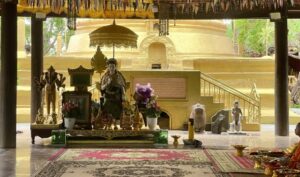
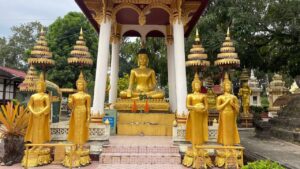
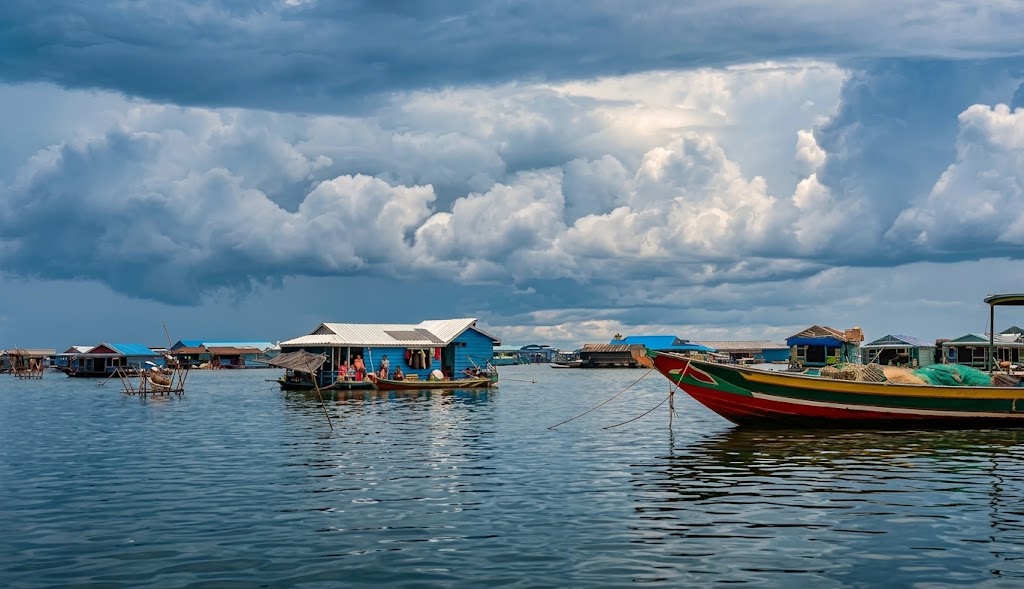
Golden BuddhaWat Vihear Kuk holds deep significance in Cambodia’s Buddhist tradition. Though time has weathered its walls, the temple continues to embody the enduring faith of the local community. 

For generations, it has served as a place of worship, meditation, and reflection. Even today, visitors may encounter young monks from nearby monasteries tending the grounds, offering blessings, or sharing stories about the temple’s long history.

Nearby stands the famous 100-Column Pagoda, one of Kratie’s most celebrated landmarks. From this monument, a narrow track leads eastward to Wat Vihear Kuk, making it a natural stop for travelers exploring the cultural heritage of the Sambor area.

Architecture and Features

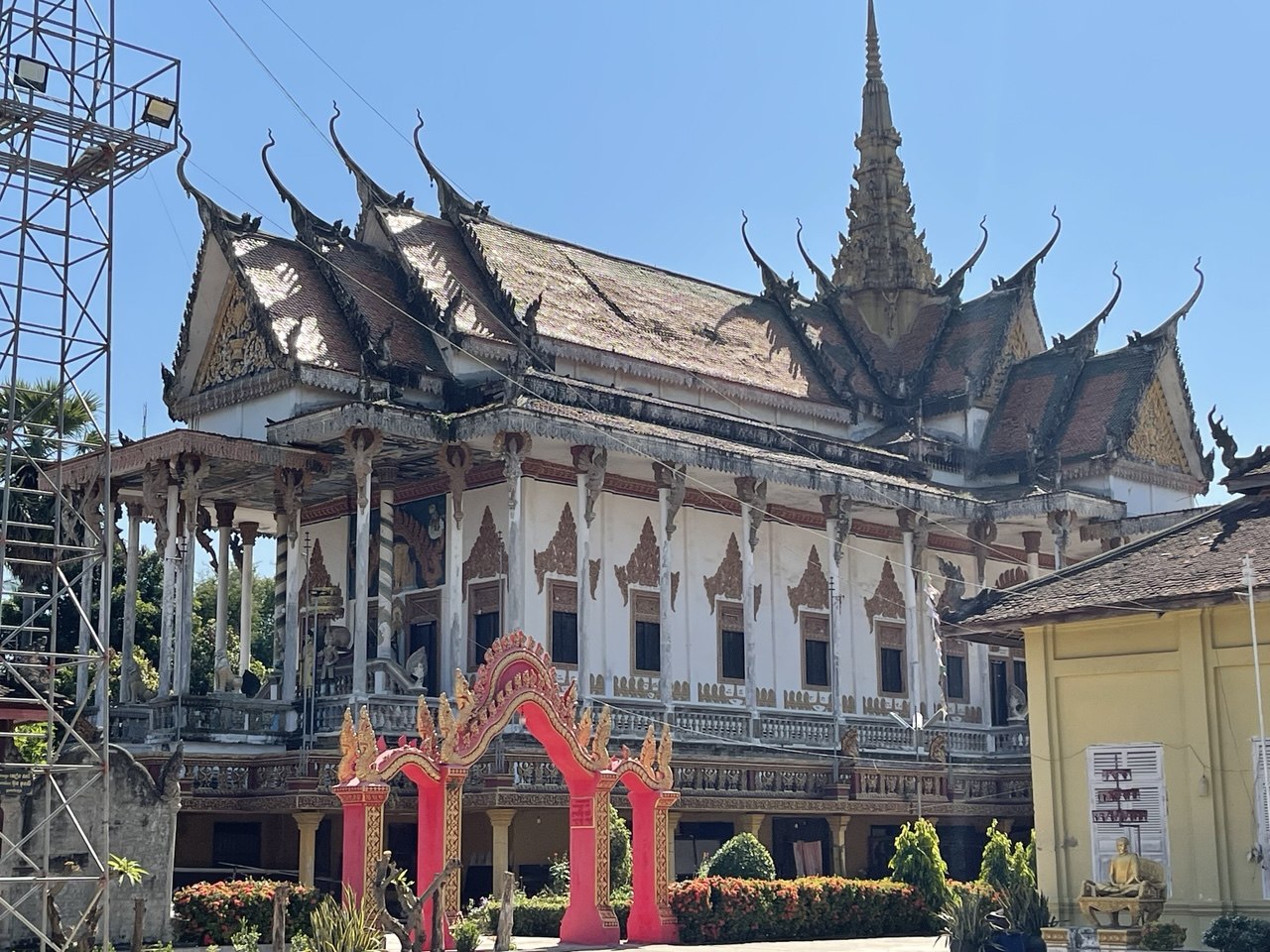
Although much of Wat Vihear Kuk now lies in ruins, the temple retains faint traces of its former beauty. Inside, simple yet meaningful wall paintings can still be found, roughly drawn but rich in symbolism, illustrating Buddhist teachings and folk traditions. The modest scale of the structure contrasts with its cultural weight, reminding visitors that spiritual value is not always tied to grandeur but to resilience and devotion.

Location & Getting There

Wat Vihear Kuk is located about 36 kilometers north of Kratie Town, a journey that typically takes around an hour and a half. The temple is situated in Sambor Village, within Sambor District, an area known for its rich historical and cultural landmarks.

The site is best reached by motorbike, tuk-tuk, or hired car from Kratie. The road first leads to the renowned 100-Column Pagoda, one of the region’s most significant monuments. From there, a narrow path branches eastward, guiding visitors directly to Wat Vihear Kuk and making the two temples a natural pair to visit together.

Traveler Tips

To make the most of a visit to Wat Vihear Kuk, it is best to combine the trip with the nearby 100-Column Pagoda. The two sites are closely linked and visiting both gives travelers a deeper sense of the area’s spiritual and cultural importance.

The final path to the temple can be uneven, so comfortable footwear is recommended. Since there are few facilities in the area, bringing drinking water and light snacks ensures a more relaxed experience. 

Mornings and late afternoons are particularly rewarding times to visit, when the atmosphere is quieter and the soft light enhances both the temple ruins and the surrounding landscape.

Travelers are also encouraged to engage respectfully with monks or locals they may encounter. Many are open to sharing stories about the temple’s past, but modest dress and polite behavior are essential to show proper respect for the sacred setting.
Other Attractions

Koh Pdao is an island located in Kratie Province in the Northeast of...
The Irrawaddy is a shy, small dolphin that is dark grey in colour...
Kratie is one of Cambodia's eastern provinces with less population, who make their...

The 100-Column Pagoda – Kratie

The 100-Column Pagoda – Kratie

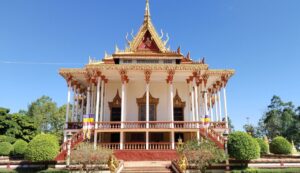
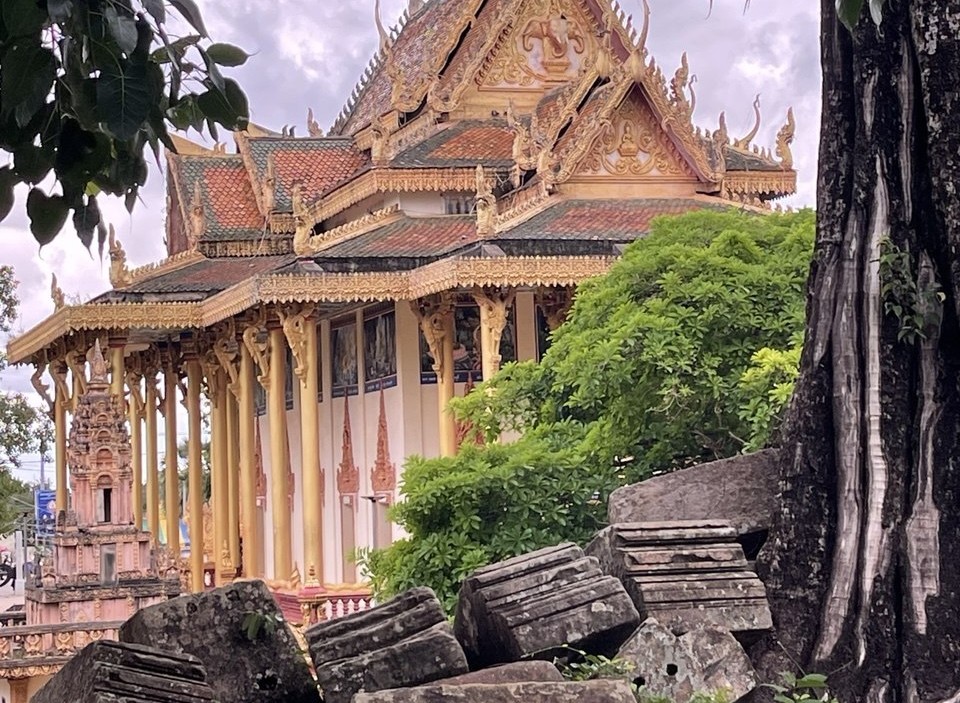
100 Columns Pagoda KratieThe 100-Column Pagoda (Vihear Sar Sar-100) is one of Kratie Province’s most important historical and religious landmarks. Located in Sambor District, about 36 kilometers north of Kratie Town along National Road No. 7, the pagoda is both an architectural treasure and a site steeped in history, spirituality, and legend.
Historical Background

The pagoda was originally built in 1806 on the site of the Royal Palace Temple of Sambor Prei Kuk, once part of the Chenla Kingdom’s capital, Sam Phu Borak. Its origins are tied to a tragic legend: King Preah Ang Chan Reachea II constructed the temple in memory of his daughter, Preah Neang Varakak, who, according to folklore, was swallowed by a crocodile named Nen Thun. 

The temple was believed to safeguard her spirit and became a place of deep devotion. The structure was first supported by 100 wooden columns, giving the site its name. About a century later, however, a lightning strike destroyed 22 columns and blackened the statues inside. Though the temple was rebuilt, it was restored with only 78 columns.

In 1987, the site underwent a major renovation, expanding to 35 meters long, 18 meters wide, and 23 meters high, with 116 columns. The restored pagoda was officially inaugurated and consecrated on January 14, 1998, ensuring its place as both a historical monument and a living place of worship.

Architectural Significance

The 100-Column Pagoda is distinctive among Cambodian temples for its unusual north-facing orientation, a rarity in Khmer religious architecture. Its interior combines traditional Khmer artistry with design features shaped by successive reconstructions. The spacious halls and long rows of tall supporting columns create a solemn and impressive atmosphere, making the pagoda stand out as one of the most unique temples in the region.

Cultural Importance

The pagoda continues to play a central role in the cultural and spiritual life of the local community. Every Khmer New Year, residents celebrate a four-day festival that begins at the 100-Column Pagoda before continuing to Vihear Kork and Vihear Lao. Beyond festivals, the temple remains a vibrant religious center where rituals, ceremonies, and daily devotion connect past traditions with present practice.

Location & Getting There

The 100-Column Pagoda is located in Sambor District, about 36 kilometers north of Kratie Town. The journey typically takes around an hour, following National Road No. 7 through rural landscapes and small villages.

Travelers can reach the site by motorbike, tuk-tuk, or hired car. The road is generally accessible year-round, making it convenient for day trips. For those exploring Sambor’s cultural heritage, the pagoda is often paired with nearby sites such as Wat Vihear Kuk, offering a well-rounded experience of the area’s spiritual and historical richness.

Other Attractions

Koh Pdao is an island located in Kratie Province in the Northeast of...
The Irrawaddy is a shy, small dolphin that is dark grey in colour...
Kratie is one of Cambodia's eastern provinces with less population, who make their...

Wat Vihear Lao – Kratie

Wat Vihear Lao – Kratie

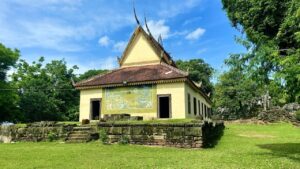
Cambodia PagodaWat Vihear Lao is one of the most important historical and religious sites in Kratie Province. Located in Sambor Village, Sambor District, about 36 kilometers north of Kratie Town (roughly 1.5 hours by road), it sits within the ancient capital site of Sam Phu Borak of the Chenla Kingdom. 

The temple is part of a cluster of four Buddhist temples oriented to the cardinal directions. Among them, Wat Vihear Lao faces west, while the others, Vihear Sar Sar-100 (100-Column Pagoda), Vihear Kork Keut, and Vihear Kork, face the remaining directions. 

Historical Significance

The site of Sambor dates back to the pre-Angkorian era and is believed to have been part of the Chenla Kingdom’s capital. Wat Vihear Lao was constructed on grounds where royal and religious activities once thrived. Along with the other temples of Sam Phu Borak, it reflects the blend of political authority, spirituality, and cultural development that shaped the early Khmer civilization.

Architecture & Murals

Although much of the original structure has not survived, the reconstructed temple continues to stand as an impressive place of worship. Its walls are decorated with vibrant murals that depict a wide range of stories and traditions. Scenes from the Jataka tales illustrate the Buddha’s past lives, while other murals portray elements of nature and everyday life, offering valuable insight into Khmer cosmology and cultural heritage.

Nearby stands the renowned 100-Column Pagoda, a site closely tied to Wat Vihear Lao both historically and spiritually, making the two temples natural companions for visitors exploring Sambor.

The Symbolism

Wat Vihear Lao’s westward orientation holds deep symbolic meaning in Buddhist cosmology. The west is associated with spiritual transition and enlightenment, often linked to the realm of Amitabha Buddha. Together with the other three temples of Sam Phu Borak, its alignment emphasizes balance, protection, and harmony, anchoring the sacred geography of the ancient capital.

Location & Getting There

Wat Vihear Lao is located in Sambor District, about 36 kilometers north of Kratie Town. The trip takes approximately 1.5 hours by car, tuk-tuk, or motorbike, passing through rural villages and scenic countryside along the way.

The site is most easily reached via National Road No. 7, before branching into local roads that lead directly to Sambor Village. Many travelers visit Wat Vihear Lao as part of a combined trip with the 100-Column Pagoda and other nearby temples, creating a rewarding journey into the historical and spiritual heart of Kratie Province.

Other Attractions

Koh Pdao is an island located in Kratie Province in the Northeast of...
The Irrawaddy is a shy, small dolphin that is dark grey in colour...
Kratie is one of Cambodia's eastern provinces with less population, who make their...

Cham Pei Waterfall – Kratie

Cham Pei Waterfall – Kratie

The Waterfall of Champey, also known as Cham Pey Waterfall, is a scenic natural resort and one of Kratie’s most popular tourist attractions. 

Located about 35 kilometers from Kratie Town in northeastern Cambodia, the site is surrounded by lush mountains, colorful orchids, and seasonal blossoms. Its serene beauty makes it a perfect destination for travelers seeking both tranquility and adventure.

Natural Features

The highlight of the site is its picturesque waterfall, cascading gracefully into cool, refreshing pools that invite visitors to swim and relax. At the heart of the area lies a massive 500-square-meter rock, a striking natural formation that adds to the waterfall’s dramatic setting. 

Beyond the falls, mountain forests filled with orchids, wild plants, and vibrant flowers create a refreshing atmosphere ideal for picnics, hiking, and outdoor exploration.

Cultural & Spiritual Dimension

Close to the waterfall lies Rut Cham Pey, a cultural site developed by local monks. Here, visitors can explore a fascinating collection of statues that depict the cycle of human life from birth to death, as well as Buddhist figures and animal sculptures. These symbolic displays add layers of meaning to the natural surroundings, making the site not only a place of recreation but also one of reflection and spiritual enrichment.

Eco-Tourism & Sustainability

Champey Waterfall is promoted by Eagle Discovery Cambodia as part of eco-tourism efforts that balance preservation with visitor experience. Guided tours ensure that tourism supports environmental conservation, benefits local communities, and encourages sustainable travel practices. This approach helps protect the waterfall’s pristine environment while providing meaningful opportunities for visitors to connect with nature responsibly.

Location & Getting There

Champey Waterfall is located about 35 kilometers from Kratie Town, with a travel time of roughly one hour by car, tuk-tuk, or motorbike. The journey begins along National Road No. 7, before branching into smaller local paths that wind into the mountain valley. The route is relatively easy to follow, though traveling with a guide or local driver can make the trip more convenient.

Champey Waterfall stands out as both a natural sanctuary and a cultural landmark. With its refreshing pools, spiritual symbolism, and eco-conscious tourism model, it offers visitors a rare blend of relaxation, cultural discovery, and sustainable adventure in Kratie Province.

Other Attractions

Koh Pdao is an island located in Kratie Province in the Northeast of...
The Irrawaddy is a shy, small dolphin that is dark grey in colour...
Kratie is one of Cambodia's eastern provinces with less population, who make their...

Kratie Town (Krong Kracheh)- Kratie Province

Kratie Town (Krong Kracheh)- Kratie Province

100 Columns Pagoda KratieKrong Kracheh, more commonly known as Kratie Town, is a small but charming riverside settlement in northeastern Cambodia with a population of around 38,000 people. 
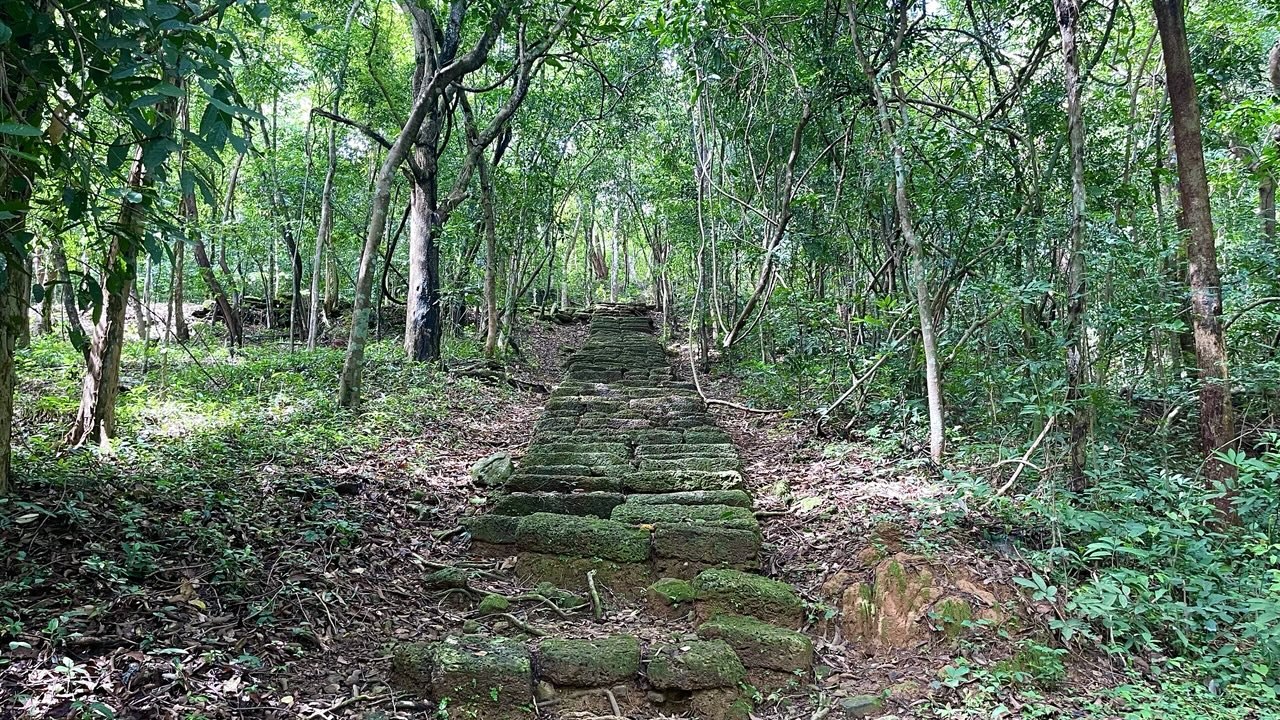
Nestled on the banks of the Mekong River, the town is renowned for its laid-back atmosphere, remnants of French colonial architecture, and proximity to the natural wonders of the Mekong.  

With its mix of history, culture, and natural beauty, Kratie serves as both a relaxing stopover and a gateway to unique experiences in the region.

Krong Kracheh Highlights

One of the most distinctive features of Kratie Town is its French colonial legacy. The central marketplace is surrounded by elegant colonial-era buildings that showcase Cambodia’s architectural past and add character to the town’s compact center.

Along the riverbank, rows of red-flowered trees provide shade and create a picturesque setting, especially popular for evening strolls when locals gather by the water.

Just beyond the town, the Mekong Islands offer white sand beaches and rural charm. Visitors can cycle through small villages, relax on the riverbanks, or take in the peaceful rhythms of Cambodian countryside life.

The Irrawaddy Dolphins

The stretch of the Mekong River just north of Kratie is world-famous as the habitat of the endangered Irrawaddy dolphins, the region’s top attraction. A 2007 survey by the Cambodian Mekong Dolphin Conservation Project (CMDCP), a collaboration between WWF, WCS, the Fisheries Administration, and CRDT, estimated the local population at just 66 to 86 dolphins.

While numbers remain critically low, sightings are still common, with small groups often visible in the calmer sections of the river. Watching these rare creatures in their natural habitat is one of the most memorable experiences Kratie has to offer.

Getting to Krong Kracheh

Reaching Kratie is convenient by road and, for the more adventurous, even by river. From Phnom Penh, daily buses and minivans make the 5–6 hour journey along National Road No. 7, while private taxis offer a faster but more costly alternative.

From Stung Treng, the trip south along the Mekong takes about 3–4 hours by bus or taxi, making Kratie an easy stop between Cambodia and Laos.

From Mondulkiri (Sen Monorom), travelers can expect around 5 hours by shared minivan or private taxi, with scenic mountain and countryside views along the way.

Though less common today, it is also possible to arrange boat trips along the Mekong, offering a slower but more adventurous approach to the town.

Other Attractions

Koh Pdao is an island located in Kratie Province in the Northeast of...
The Irrawaddy is a shy, small dolphin that is dark grey in colour...
Kratie is one of Cambodia's eastern provinces with less population, who make their...

Phnom Sopor Kaley – Kratie

Phnom Sopor Kaley – Kratie

Phnom Sampor Kaley Phnom Sopor Kaley is a sacred mountain and historical site located in Chambak Commune, Prek Prasab District, Kratie Province, about 45 kilometers south of Kratie town on the western bank of the Mekong River. 

Rising to around 100 meters, the mountain is crowned by an ancient hilltop pagoda, making it one of the most important spiritual and cultural landmarks in the region. Its combination of history, religion, and natural scenery makes it a meaningful stop for pilgrims and travelers alike.

Historical & Cultural Significance

Phnom Sopor Kaley has long been revered as both a religious sanctuary and a historical site. 

The hilltop pagoda and surrounding buildings reflect the deep Buddhist devotion of the local community while carrying traces of the region’s layered past. For centuries, the site has attracted worshippers seeking blessings, health, and prosperity, as well as scholars and historians drawn to its heritage.

Festivals and Buddhist ceremonies held here continue to strengthen community ties and keep traditions alive, ensuring the mountain remains a living symbol of local faith and culture.

Architecture & Symbolism

The ancient pagoda at the summit can be reached by ascending 800 concrete steps, a symbolic journey that represents spiritual perseverance and the path toward enlightenment.

The laterite road leading to the mountain’s base highlights traditional Khmer construction techniques, while the pagoda itself embodies resilience and devotion, standing tall despite centuries of natural and social change.

Each feature of the site carries symbolic meaning, making the climb as much a spiritual journey as a physical one.

Natural Beauty & Views

Beyond its religious significance, Phnom Sopor Kaley offers stunning natural beauty. From the summit, visitors are rewarded with sweeping views of the Mekong River winding gracefully through Kratie’s countryside.

The landscape below reveals lush farmlands, palm groves, and traditional villages that reflect the daily lives of local communities. The mountain’s serene surroundings combine spirituality with natural tranquility, making it one of the most picturesque destinations in the province.

Getting There

Phnom Sopor Kaley is accessible by road from Kratie town, with the journey taking around 1.5 hours south along the western bank of the Mekong River. Travelers can reach the site by car, motorbike, or tuk-tuk, with the road leading directly to the base of the mountain.

The climb to the summit is best attempted in the early morning or late afternoon to avoid the midday heat and to enjoy cooler air and softer light over the landscape.

Other Attractions

Koh Pdao is an island located in Kratie Province in the Northeast of...
The Irrawaddy is a shy, small dolphin that is dark grey in colour...
Kratie is one of Cambodia's eastern provinces with less population, who make their...

Laang Trach – Pursat

Laang Trach – Pursat

Kbal O Chra PailinLaang Trach Village, Svay Sa Commune, KraKor District, Pursat Province, Cambodia. Nestled in the heart of Pursat province, Luaing Trach is a hidden gem for nature lovers and adventure seekers. 
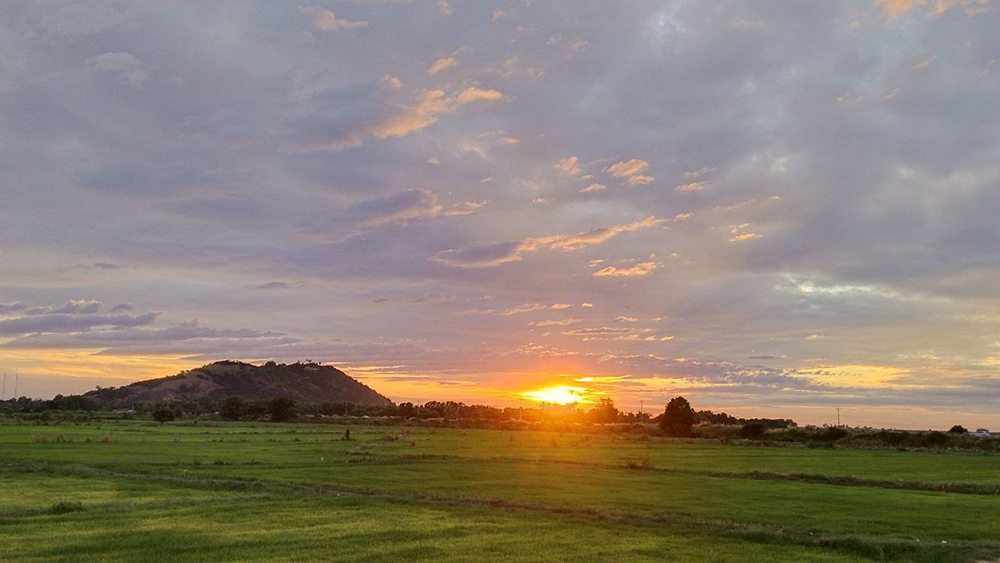
This wildlife preserve is rich with natural beauty, offering visitors a tranquil escape into Cambodia’s diverse landscapes. From lush greenery to fascinating wildlife, Luaing Trach is the perfect destination for eco-tourism, birdwatching, and those looking to reconnect with nature.

Getting to Luaing Trach

The preserve is located about 49 kilometers (a 1.5-hour drive) from Pursat provincial town. The journey itself is part of the adventure, taking you through scenic rice fields, small villages, and the countryside of Cambodia. 

Travelers can easily hire a car, arrange transport with local guides, or join eco-tours that include Luaing Trach as part of their itinerary.

Things to See & Do

Wildlife watching is one of the highlights at Luaing Trach, where native birds, small mammals, and other unique species thrive in a quiet, natural setting. For photography enthusiasts, the untouched scenery and soft natural light create the perfect backdrop for both landscape and wildlife shots.

Picnicking is another popular activity, as the preserve’s calm atmosphere makes it an ideal place to share a peaceful meal outdoors. To deepen the experience, visitors can also stop by Laang Trach village, where local culture, traditions, and warm hospitality bring a human touch to the journey.

For those who love outdoor adventure, eco-trekking trails allow travelers to venture deeper into the preserve, enjoying fresh air and a closer connection to nature far from the bustle of town life.

Where to Stay

Although Luaing Trach itself does not offer overnight accommodations, Pursat town provides several comfortable options, ranging from budget guesthouses to mid-range hotels. Many can be booked online with flexible payment and free cancellation.

For a more immersive stay, consider a local homestay, where meals are shared with families and visitors gain firsthand insight into rural Cambodian life.

Travel Tips

The best time to visit is during the cooler, dry season from November to February, when outdoor activities are most enjoyable. Comfortable walking shoes, insect repellent, a hat, water, and a camera are recommended essentials.

Hiring a local guide can greatly enrich the experience, as they share stories about the area’s history, ecology, and cultural traditions. Visitors are also encouraged to practice responsible travel by respecting wildlife and keeping the environment clean.

Other Attractions

Phnom Ba Klas – Pursat

Phnom Ba Klas – Pursat

Phnom Baklas PursatLocated in Tnaot Chum Village, Tnaot Chum Commune, Krakor District, Pursat Province, Cambodia (about 20 km east of Pursat town), Phnom Ba Klas is a peaceful hill that blends natural beauty with spiritual heritage, making it a refreshing retreat for visitors to Pursat province. 

Surrounded by fruit trees and lush greenery, the hill offers cool mountain breezes, quiet trails, and a sense of serenity far removed from the bustle of the town.

The site holds cultural significance, with remnants of an ancient pagoda and stone statues at its summit. Many locals still visit to pray, light incense, and pay respects, giving travelers a chance to witness living traditions alongside natural exploration.

Highlights & Things to Do

Phnom Ba Klas is best known for its scenic nature walks, where visitors can stroll beneath the shade of kuy and sei moan fruit trees. The experience is especially rewarding during harvest season, when the hill comes alive with local activity and seasonal abundance.

The site also holds spiritual significance, with old pagoda ruins and weathered statues still revered by nearby communities. For those interested in photography, Phnom Ba Klas offers sweeping views of the surrounding countryside alongside rustic cultural landmarks that capture Cambodia’s timeless charm.

Beyond its cultural and natural appeal, the hill provides a peaceful atmosphere, making it a perfect place for meditation, quiet reflection, or simply enjoying the fresh air away from town life.

Accessibility

Phnom Ba Klas is easily reached by road, with a short detour off National Road 5. The path leading up to the hill is well-marked, making it convenient for both cars and motorbikes.

Nearby Attractions

A visit to Phnom Ba Klas can be combined with several other attractions in Pursat Province. Phnom Baykhlor offers similar scenic views and cultural sites, while Baktra Resort is a popular local getaway featuring natural swimming spots.

Wat Bakan (Bakan Pagoda), one of Cambodia’s oldest and most revered temples, provides a deeper cultural connection, and Kampong Luong Floating Village offers a fascinating glimpse of life on Tonle Sap Lake, where homes, schools, and markets float on the water.

Travel Tips

The best time to visit Phnom Ba Klas is early morning or late afternoon, when the weather is cooler and the light is softest for photography. Comfortable walking shoes, water, and a camera are essentials, and modest clothing is recommended for those exploring shrines. Visiting during the fruiting season is particularly memorable, as locals often welcome travelers to taste fresh produce right from the trees.

Other Attractions

Bak Tra Resort – Pursat

Bak Tra Resort – Pursat

Located in Kra Vanh District, just 16 kilometers from Pursat town along Road 56, Bak Tra Resort is one of the province’s most popular natural attractions. This peaceful site blends mountain scenery, forest trails, and refreshing waters, making it a perfect spot for day trips and nature escapes.
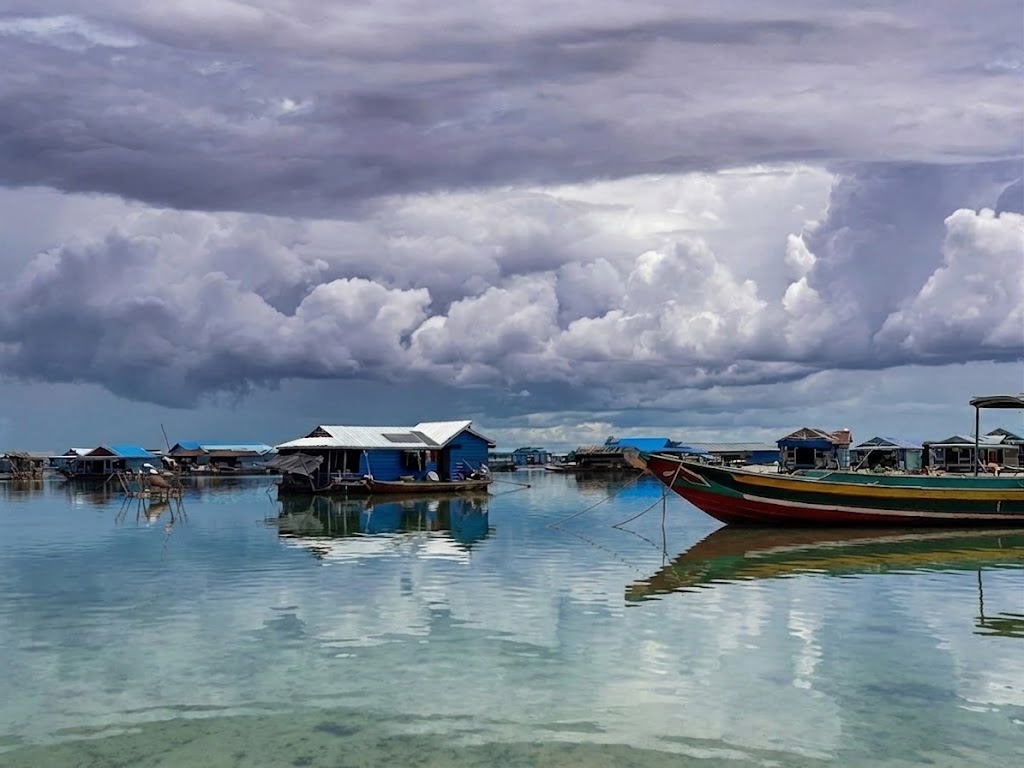
At its heart stands a small 50-meter hill, surrounded by shady Thlong trees, a cool canal, and a perennial well that flows year-round, even during the dry season. With its mix of greenery, tranquility, and cultural charm, Bak Tra is a favorite destination for both locals and travelers.

Highlights & Things to Do

Visitors can enjoy gentle nature walks along the shaded paths that wind around the hill and forest area. The cool breeze, green foliage, and nearby water features make the site particularly well-suited for picnicking, whether as a family outing or a quiet solo escape.

Photography enthusiasts will appreciate the contrast of rocky hills against forest canopies, with the canal adding a serene touch to the scenery. For those seeking a cultural connection, weekends and festivals bring local families to the resort, creating a lively and welcoming atmosphere.

Getting There

Bak Tra Resort is only 16 kilometers from Pursat town, an easy ride via Road 56 toward Kra Vanh District. The road is straightforward and accessible by car, tuk-tuk, or motorbike.

Travel Tips

The best times to visit are in the morning or late afternoon, when the air is cooler and the light is softer. Bring snacks or a picnic lunch, plenty of drinking water, and comfortable walking shoes.

For a more peaceful experience, visit on weekdays when the site is quieter, or come on weekends and holidays to share the lively atmosphere with local families.

Other Attractions

Kampong Luong Floating Village – Pursat

Kampong Luong Floating Village – Pursat

Kampong Loung Floating Village PursatLocated on the Tonlé Sap Lake in Pursat Province, just north of Krakor, Kampong Luong is one of Cambodia’s most fascinating floating villages. Here, life unfolds entirely on water: houses drift on pontoons, boats double as taxis, shops, and kitchens, and even pagodas float gently with the lake’s movements. 

The community is large and diverse, blending Khmer, Vietnamese, Cham, and Chinese residents who rely on the lake for fishing, trade, and daily survival. The village is in fact made up of four separate floating hamlets, each with its own character. 

A trip through Kampong Luong reveals floating schools, markets, fuel stations, repair shops, and even restaurants, all bobbing together in a self-contained aquatic world. 

Almost everything needed for daily life can be reached with a quick paddle. Spiritual life thrives here too, with both Khmer and Vietnamese floating pagodas rising serenely above the water. 

For visitors, the experience is like stepping into a different rhythm of life, where the water isn’t just a resource but the very foundation of existence.

How to Get There

From Pursat town, take National Road 5 east toward Phnom Penh for about 35 kilometers until reaching Krakor District. From there, a short connecting road leads directly to the docking area for Kampong Luong, where boats can be hired for village tours. Travel time is roughly 40–50 minutes by car from Pursat.

Travel Tips

The best time to visit is between November and April during the dry season, when boat rides are easier to arrange. However, the wet season offers a more dramatic view of the lake at its fullest.

Hiring a local boat is the best way to explore the village, with prices usually reasonable when arranged directly at the dock. Bring essentials such as a camera, hat, sunscreen, and water, as shade is limited out on the lake.

When photographing residents, it is polite to ask permission first. Supporting the community by purchasing snacks, drinks, or souvenirs from floating vendors is also encouraged. Note that many villagers speak Vietnamese, though Khmer and some basic English are also used to welcome visitors.

Experience Highlight

Glide by boat through a living community on water, where floating homes, markets, and pagodas create a vibrant world unlike anywhere else on Tonlé Sap Lake.

Other Attractions

Book a Tour WhatsApp