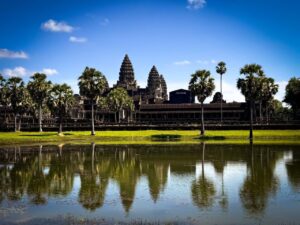
 Angkor Wat is not only the most iconic monument in Cambodia, but also the largest religious structure in the world. Built in the 12th century by King Suryavarman II, it originally served as a Hindu temple dedicated to Vishnu, later transitioning into a Buddhist temple, which it remains today.
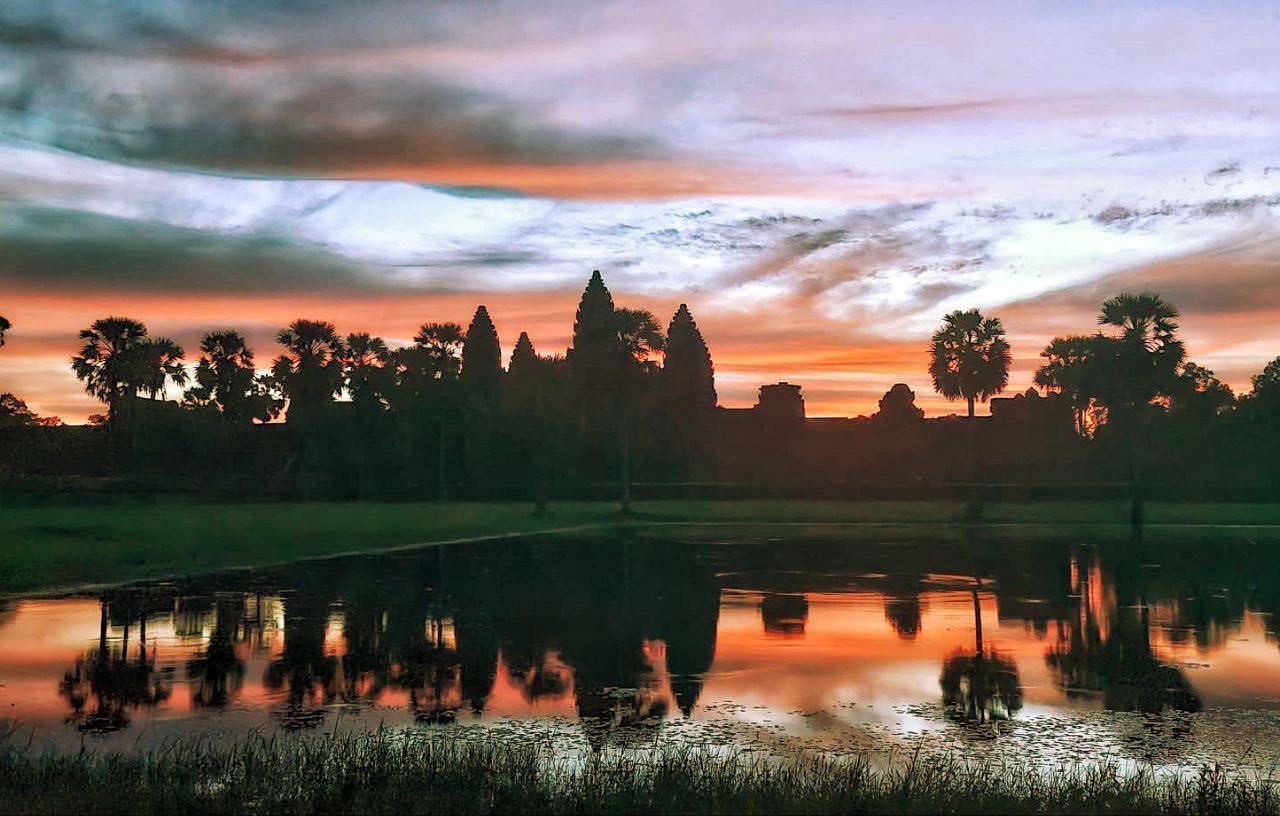
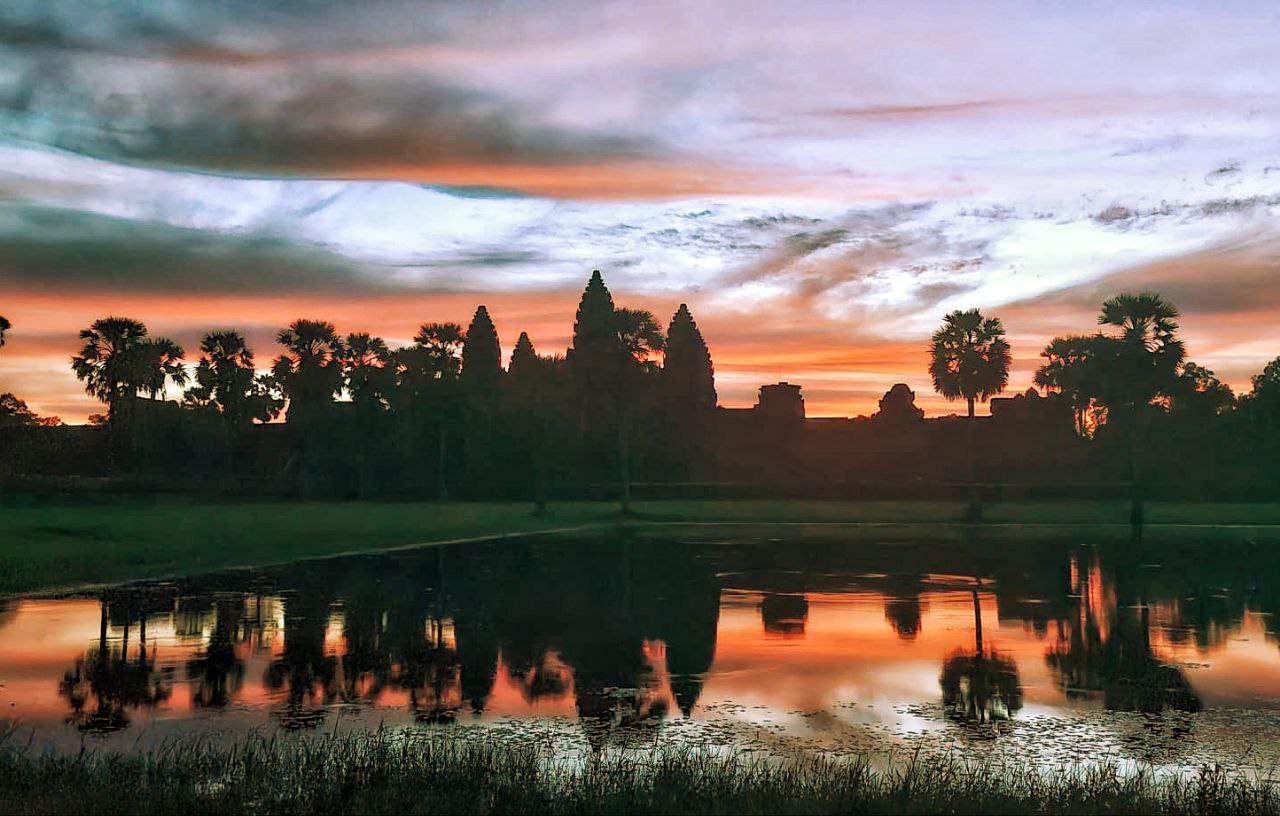
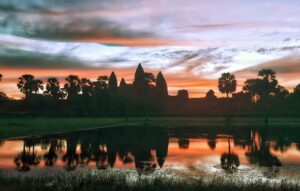
Witnessing the sunrise at Angkor Wat is one of the most unforgettable experiences in Southeast Asia. As the sun slowly rises behind the iconic lotus-bud towers, the temple reflects perfectly in the ponds in front creating a breathtaking mirror image.
The most important are the carved bas-reliefs of the Hindu narratives. They tell a story about gods fighting demons in order to reclaim order, which can only be achieved by recovering the elixir of life known as amrita.
The gods and demons must work together to release it and then battle to attain the amrita water for immortality.
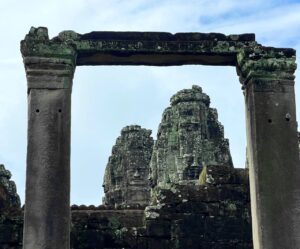
Bayon Temple is one of the most iconic and enigmatic monuments in the Angkor complex, located at the heart of Angkor Thom, the ancient capital of the Khmer Empire. Known for its serene and enigmatic stone faces, Bayon is often referred to as the “Temple of Faces” or the “Temple of a Hundred Smiles.”
The temple originally featured 54 towers, each adorned with four carved faces, totaling 216 faces, many of which remain visible today.
These faces are believed to represent Avalokiteshvara, the Bodhisattva of Compassion, or perhaps even a deified image of King Jayavarman VII, the temple’s builder.
Though smaller in scale than Angkor Wat, Bayon Temple offers a spiritual and striking experience that is unmatched in mystery and expression.
The ever-smiling stone faces radiate a timeless calm, a powerful symbol of serenity that has endured for over 800 years.
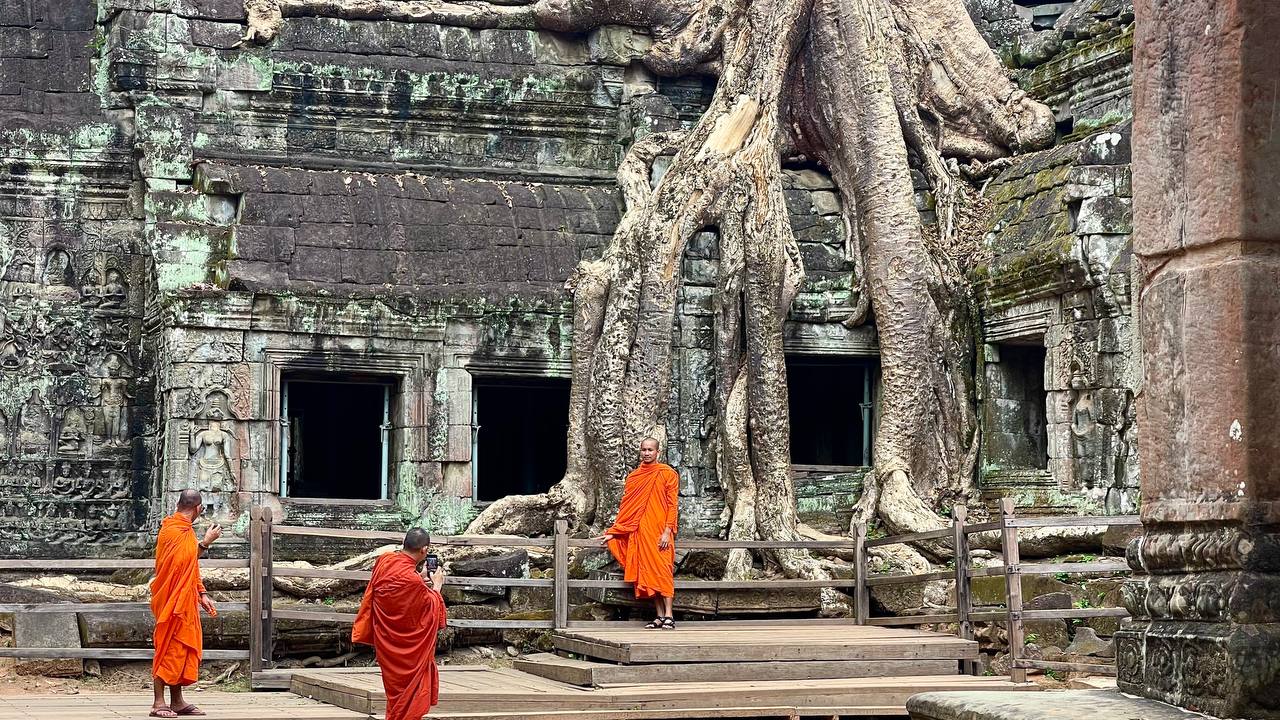
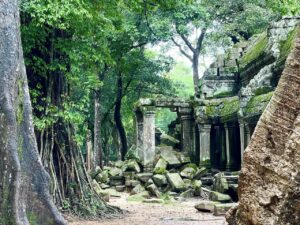 Ta Prohm is one of the most atmospheric and photogenic temples within the Angkor Archaeological Park, renowned for the massive tree roots that twist and sprawl over its ancient stone walls.
Often referred to as the “Tomb Raider Temple” after its appearance in the 2001 film Lara Croft: Tomb Raider, Ta Prohm offers a haunting and mysterious glimpse into the relentless power of nature, and how it reclaims even the greatest human achievements.
But Ta Prohm is more than just a cinematic backdrop. It stands as a powerful symbol of impermanence, the quiet strength of nature, and the poetic beauty of decay.
Unlike the precise symmetry of Angkor Wat, Ta Prohm encourages exploration, curiosity, and a sense of quiet awe, as vines and roots weave through crumbling corridors in a surreal fusion of stone and jungle.
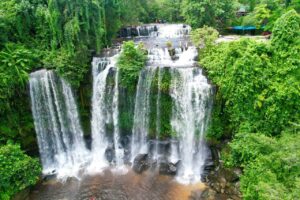
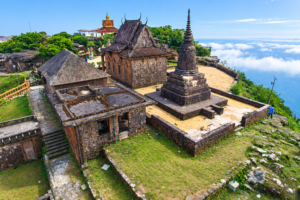
Phnom Kulen, meaning “Mountain of Lychees,” is one of Cambodia’s most sacred destinations and one of the best day trips from Siem Reap. Widely regarded as the birthplace of the Khmer Empire, it was here that King Jayavarman II proclaimed himself the universal monarch in 802 AD, marking the beginning of the Angkorian era.
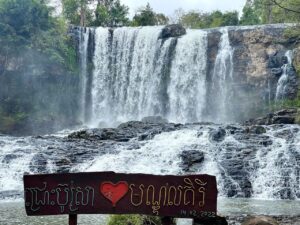
Today, Phnom Kulen is celebrated for its stunning waterfalls, the sacred River of a Thousand Lingas, the giant reclining Buddha, and its peaceful forested landscapes. The park offers a perfect blend of natural beauty, history, and spirituality, making it a favorite destination for both locals and visitors.
Whether you’re cooling off beneath the waterfalls, exploring ancient carvings, or discovering Cambodia’s rich cultural heritage, Phnom Kulen provides a refreshing escape from the temples of Angkor and an unforgettable experience in nature.
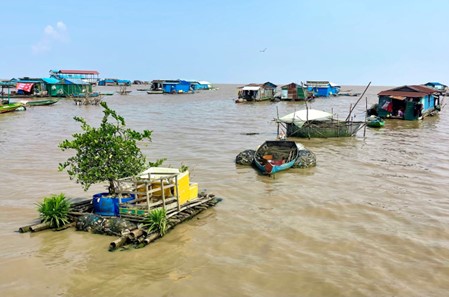
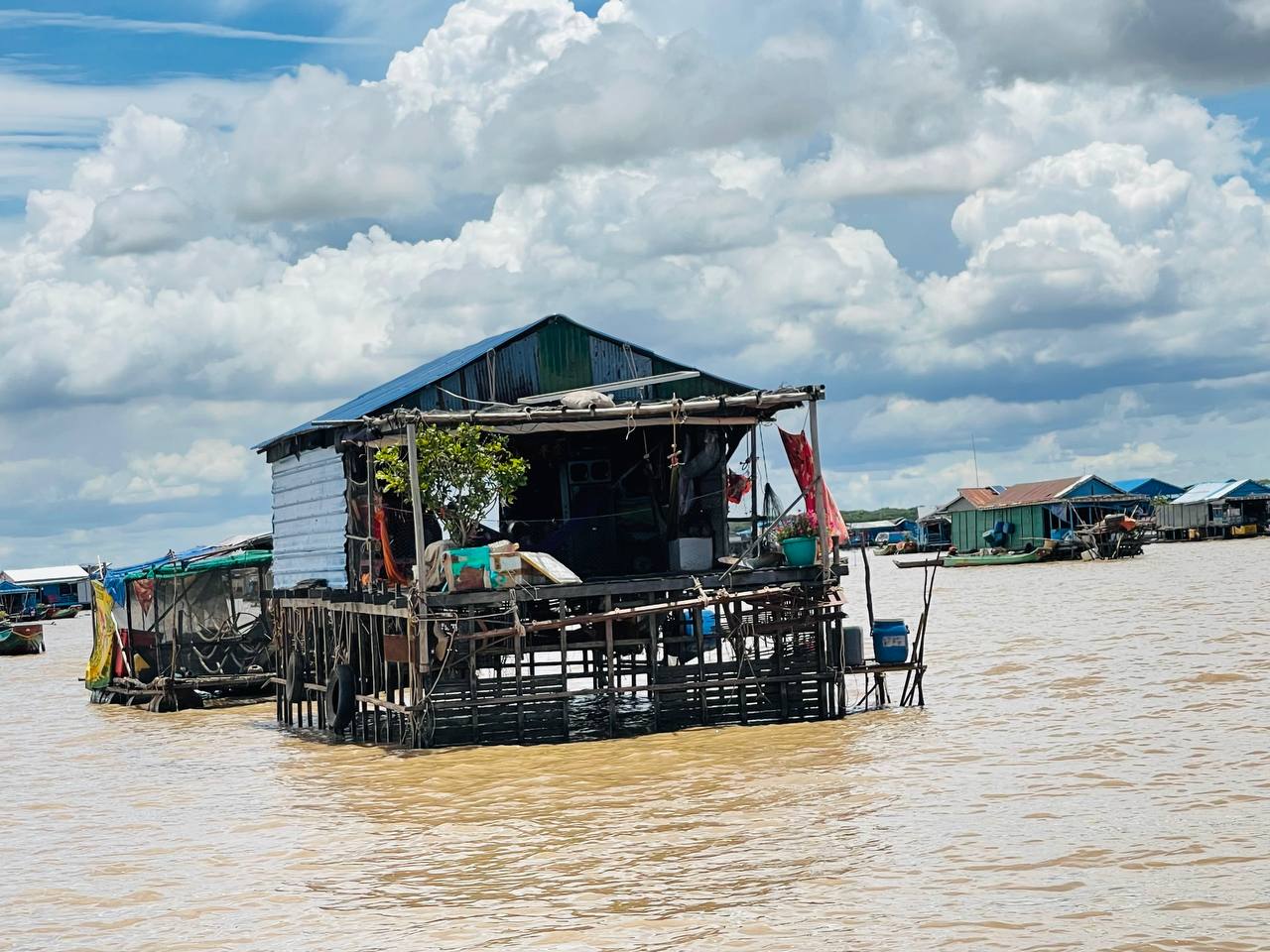
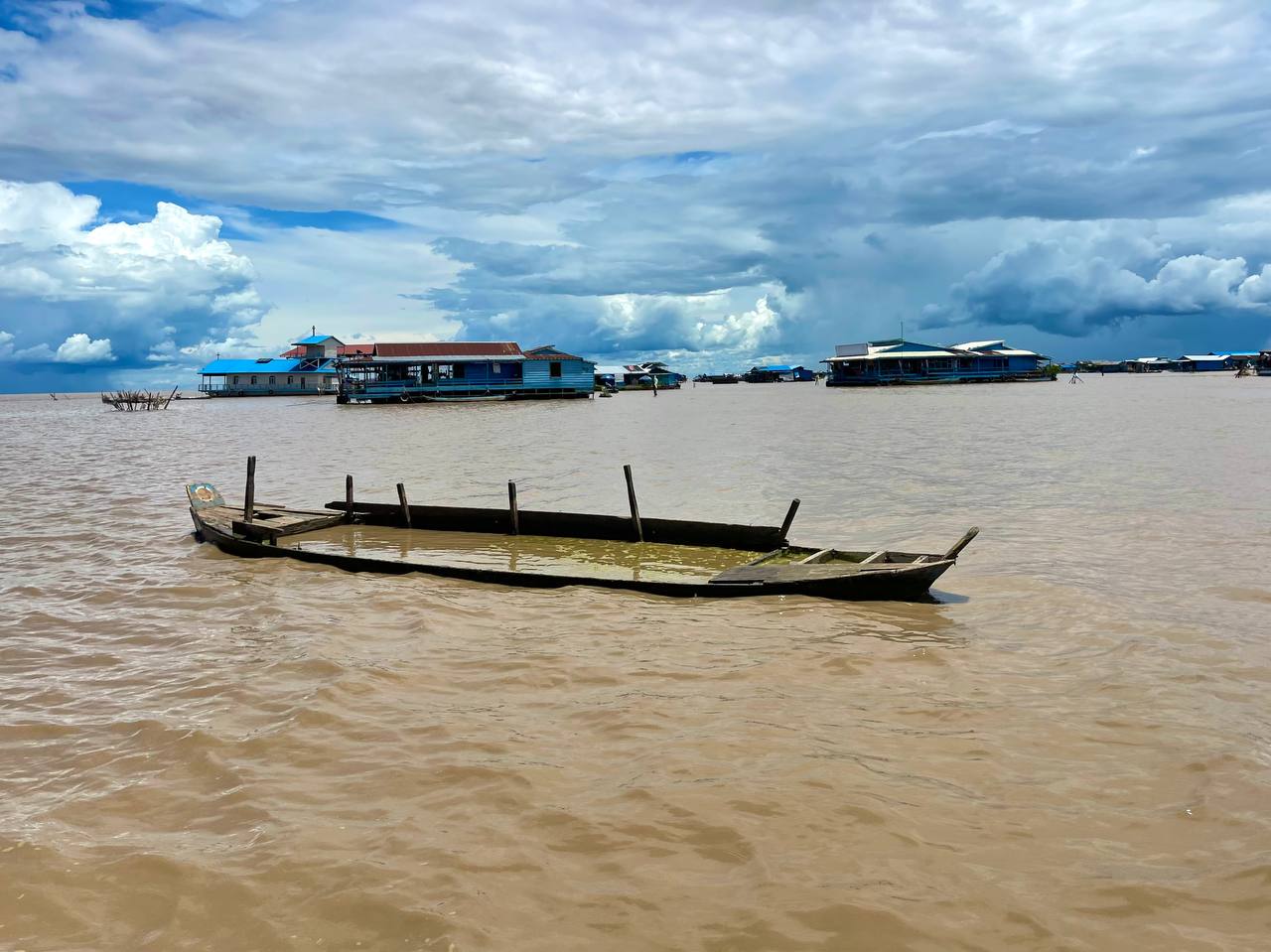
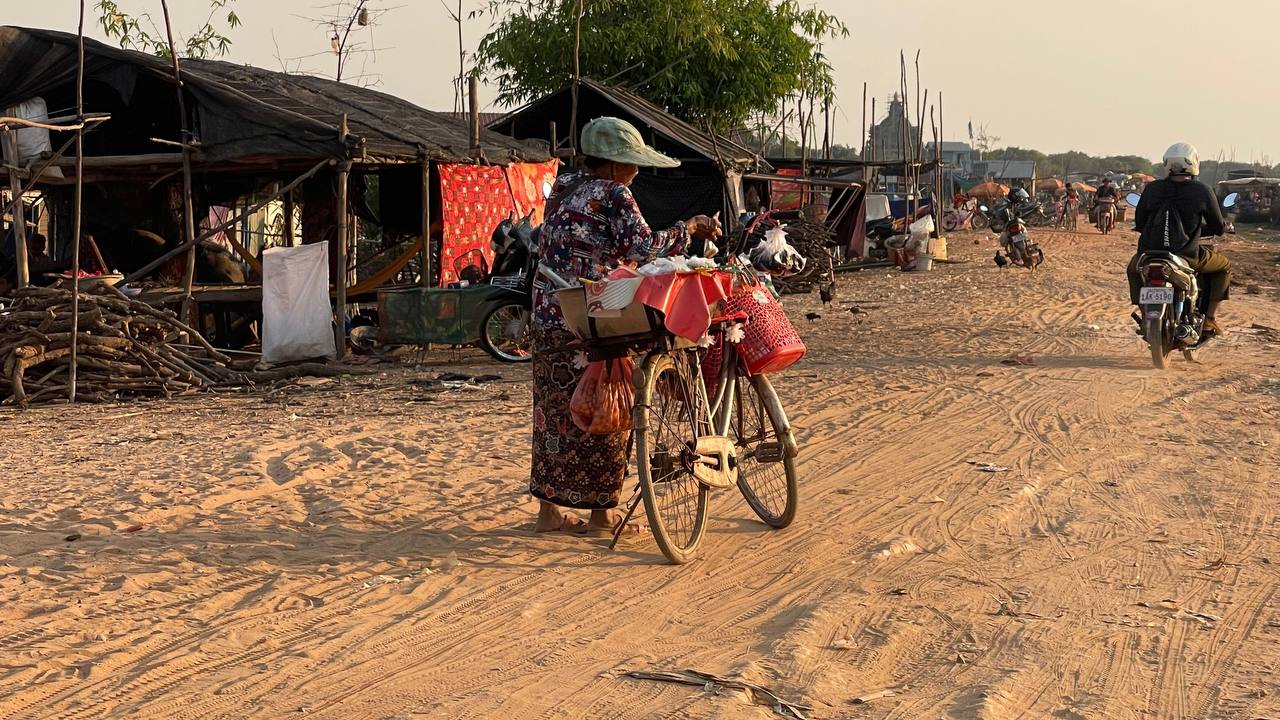
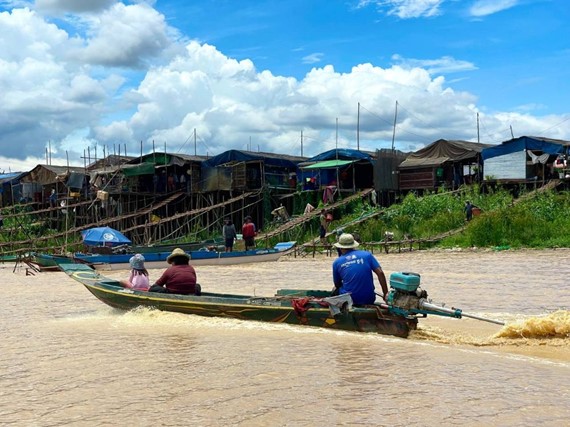
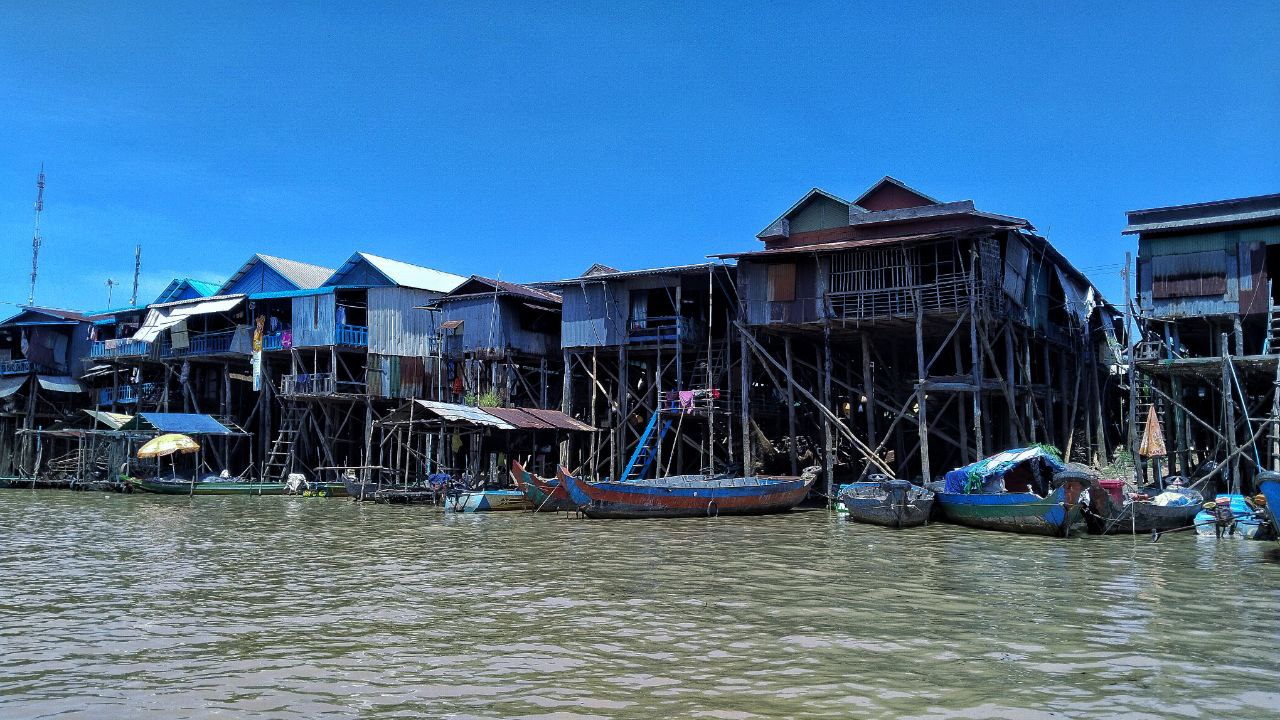
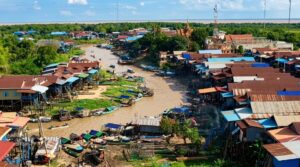 Tonlé Sap Lake, the largest freshwater lake in Southeast Asia, is one of Cambodia’s most remarkable natural wonders. Located just 25 kilometers from Siem Reap, it is home to unique floating and stilt-house communities that have adapted to the lake’s dramatic seasonal changes for generations.
One of the best places to experience life on the lake is Kampong Phluk, a traditional fishing village famous for its towering stilt houses, flooded mangrove forest, and authentic Khmer way of life.
Visitors can enjoy a peaceful boat ride through the village, explore the mangroves during the wet season, and gain insight into the daily lives of the local community.
More than just a scenic destination, Tonlé Sap is a vital ecosystem that supports millions of Cambodians through fishing and agriculture. A visit to Kampong Phluk offers a memorable combination of nature, culture, and traditional river life, making it one of the best day trips from Siem Reap.




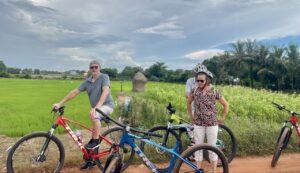
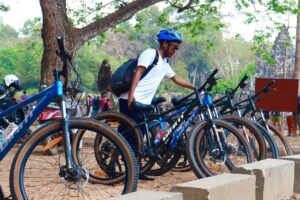 Parking your bike around Angkor Wat is generally simple, convenient, and traveler-friendly. There are designated motorcycle parking areas located close to the main temples, allowing easy access without long walks.
 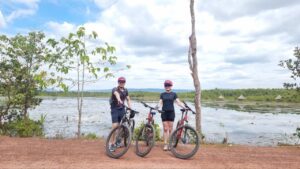 When traffic at Angkor Wat gets busy, cycling around the temples can feel challenging. Stay calm, aware, and mindful of the informal rules of the road, and you’ll navigate safely.
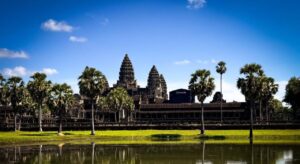 If you’re hoping to catch a breathtaking sunrise at Angkor Wat, timing is everything. The best time to visit is during Cambodia’s dry season, which runs from early December to March.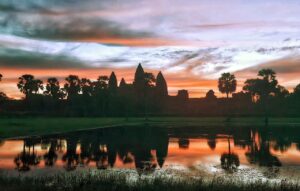






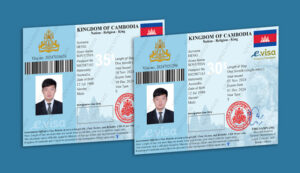 A valid passport with at least 6 months’ validity and one blank page is required.
 While not mandatory, high-quality travel insurance that covers medical emergencies, evacuation, trip interruptions, lost baggage, and activity-related incidents is highly recommended.
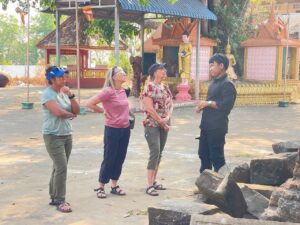 The Cambodian people are known for their warmth, generosity, and gracious hospitality. As a guest in their country, showing respect for local customs goes a long way in building positive connections and leaving a good impression.
 Buddhism is deeply woven into the fabric of Cambodian life, and showing respect at religious sites is essential. When visiting temples (known as wats), dress modestly covering shoulders, upper arms, and knees is a must. Always remove your shoes and any head coverings before entering temple buildings.
 When meeting someone in Cambodia, it’s customary to use the Sompiah, a traditional greeting that involves placing your palms together in a prayer-like gesture at chest level and offering a slight bow.
 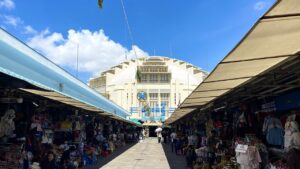 In Cambodia, bargaining is not only accepted it’s expected, especially in local markets and when arranging transportation. If you don’t negotiate, stallholders may “shave your head” a local expression meaning you’ve been overcharged.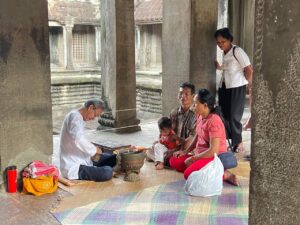
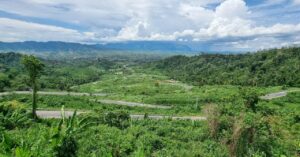
 The wet season brings regular afternoon showers; mornings are often clear and fresh. The rains transform the countryside into a lush, green landscape, and the overall vibe becomes more peaceful and less touristy.




 Kampong Khleang – The Authentic Floating Village of Tonle Sap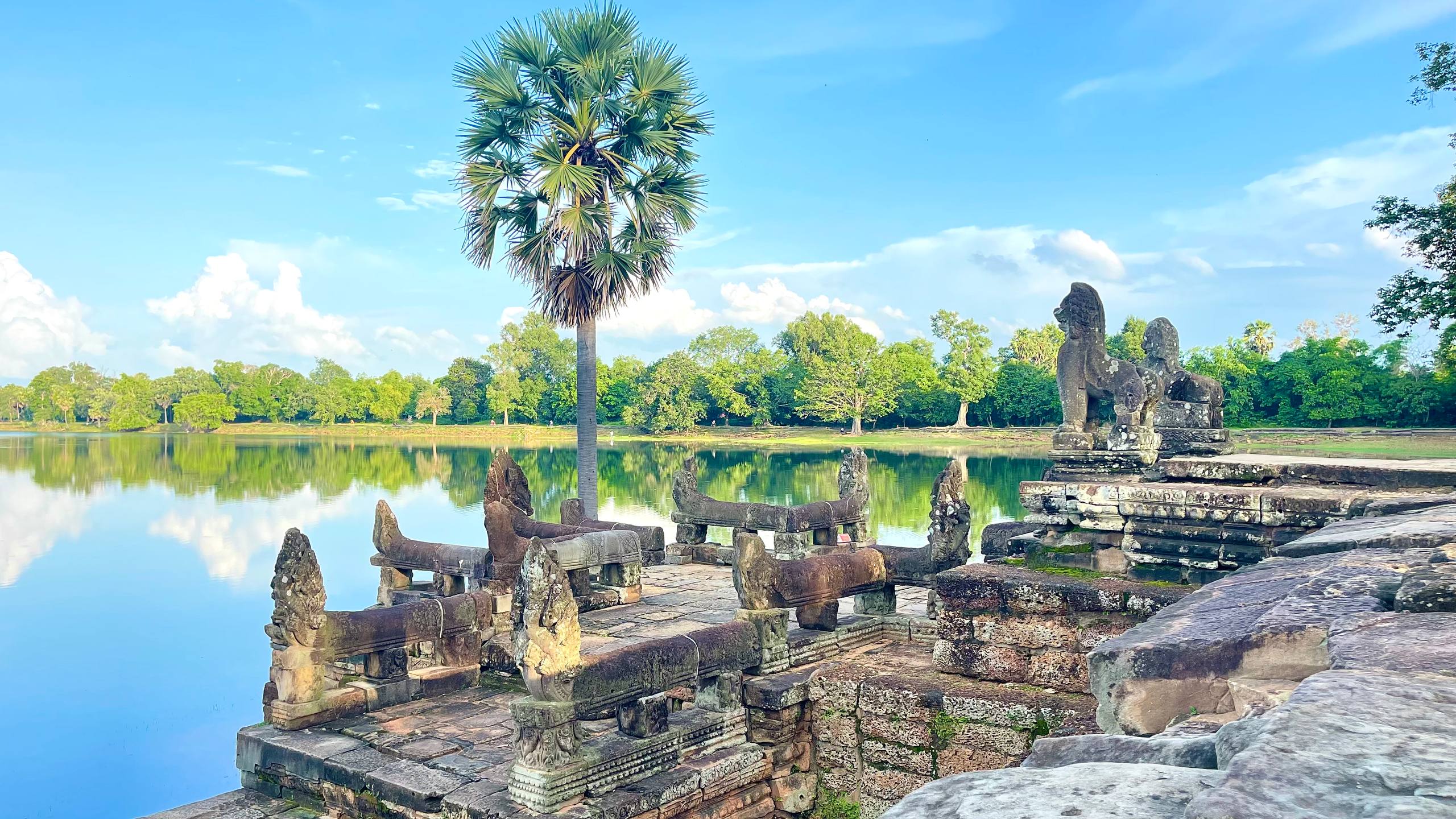
 Srah Srang, meaning “Royal Bath,” is a tranquil and atmospheric reservoir within the Angkor Archaeological Park. First excavated in the mid-10th century by the Buddhist architect Kavindrarimathana under King Rajendravarman II, it was conceived as a ceremonial water basin “for the benefit of all living beings.”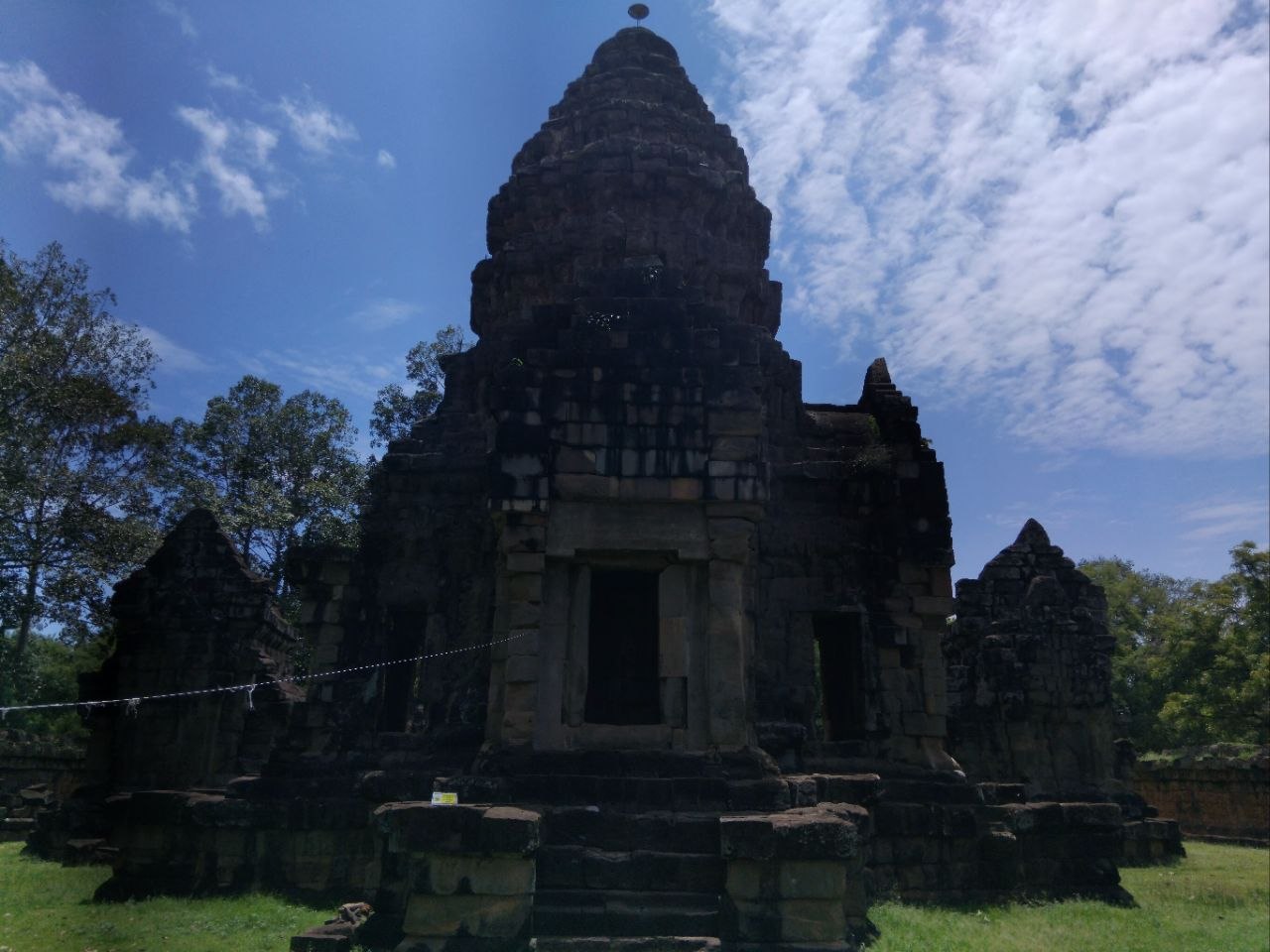
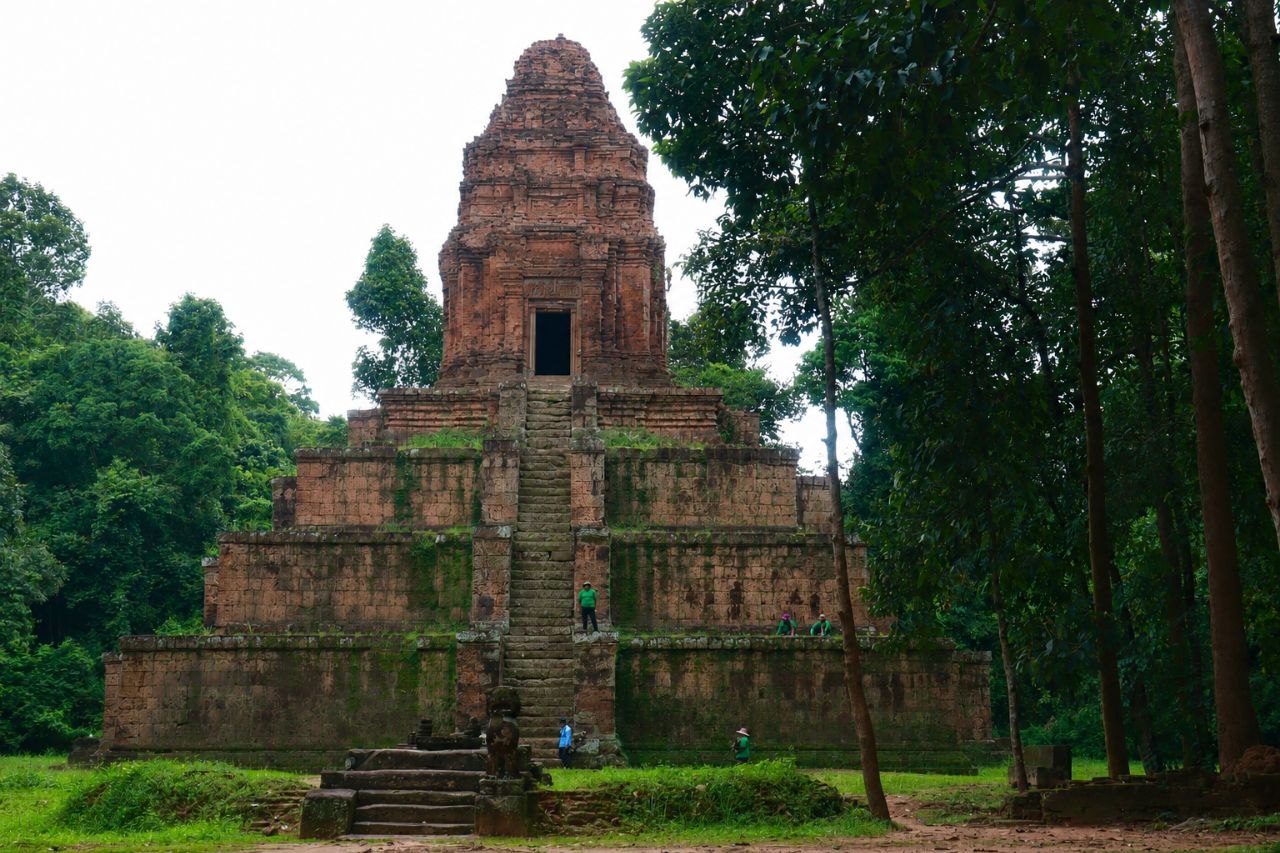
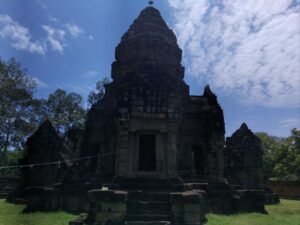 Banteay Samré Temple is a beautifully preserved yet often overlooked jewel of Angkor, showcasing the refined artistry of the mid-12th century Angkor Wat style.